Introduction
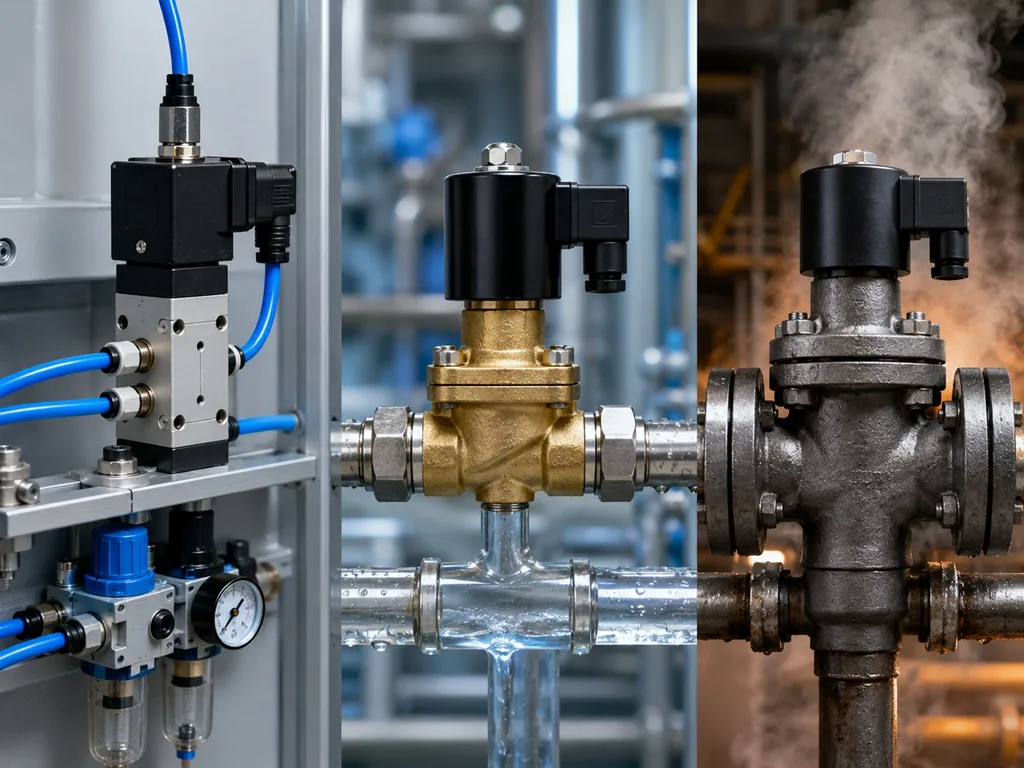
Water, steam and air solenoid valves may look similar from the outside, but they are not interchangeable. The working medium changes almost everything: body material, seal material, internal structure, temperature rating, pressure requirement, flow direction, and service life. A valve that performs well with compressed air can fail quickly in steam. A water valve may not respond correctly in a pneumatic cylinder circuit.
This difference matters for buyers because many product titles include the words “solenoid valve” without explaining the application clearly. If the valve is selected only by port size and voltage, the system may leak, stick, overheat, or fail during operation. A good selection starts by identifying the medium first.
HOMIPNEU supplies air valves for pneumatic control, brass water valves, plastic valves, stainless steel valves, and high-temperature steam valves. Examples include the 2V025-06 air solenoid valve, 2W160-15 normally closed water valve, 2P025-06 plastic solenoid valve, and 2L series high temperature steam solenoid valve.
Air Solenoid Valves
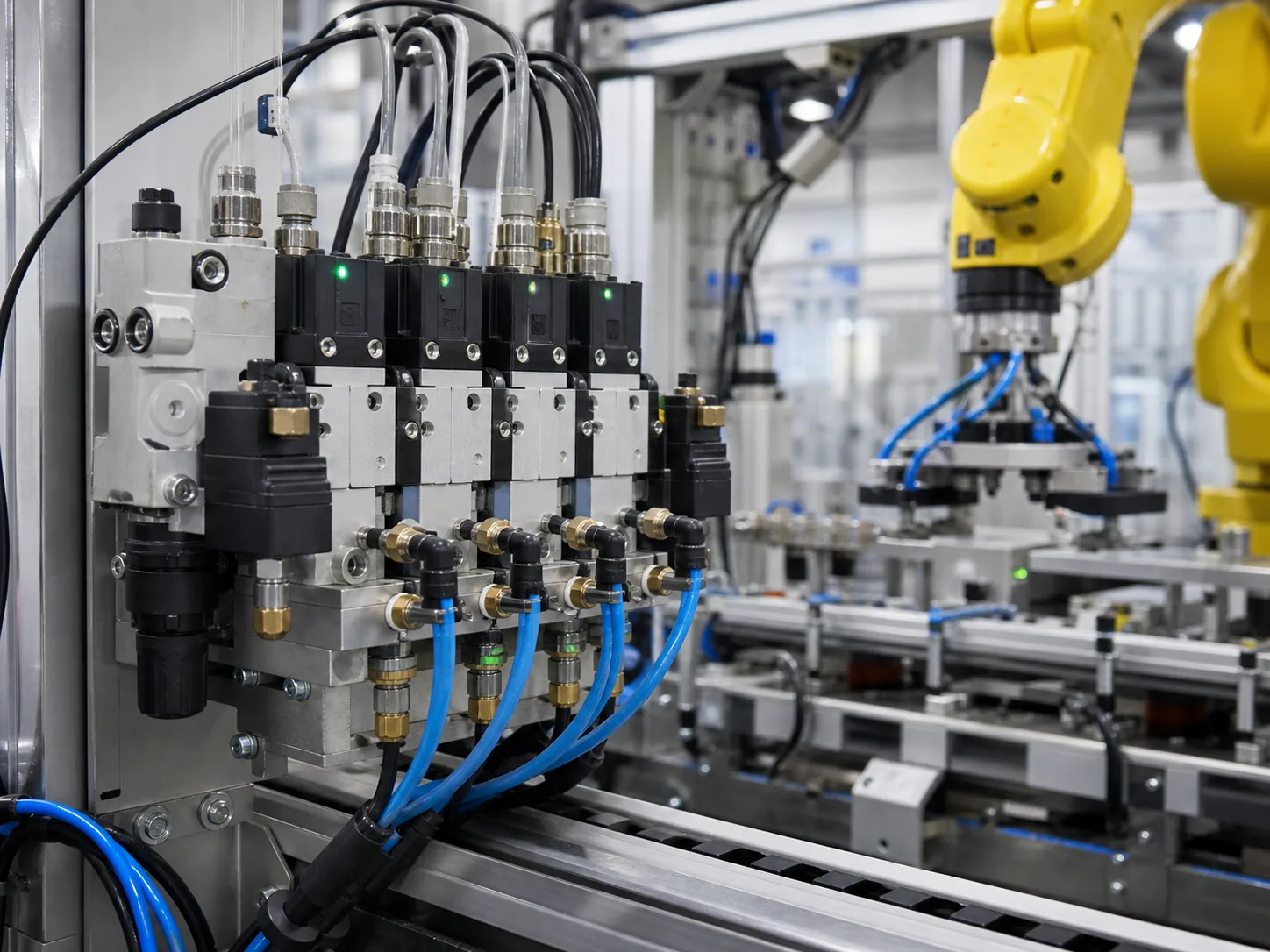
Air solenoid valves are designed for compressed air control. They are commonly used in pneumatic automation, cylinder control, blow-off lines, air signals, and valve manifolds. The media is usually filtered compressed air, and the valve structure is optimized for fast switching and repeatable movement.
Directional air valves such as 3/2, 5/2, and 5/3 valves control how air moves to and from pneumatic actuators. A 2/2 way air valve can provide simple on/off control. Compact products such as the 2V025 and 3V1 series are used where space is limited and response speed matters.
Air quality is important. Dust and moisture can make pneumatic valves stick or leak. Air valves should be protected with suitable filtration and stable pressure. They should not be used for steam or aggressive liquids unless the product specification clearly allows it.
Water Solenoid Valves
Water solenoid valves are built to open and close liquid flow. They are used in water treatment, cleaning equipment, filling systems, cooling lines, irrigation equipment, and general industrial water control. Body materials often include brass, stainless steel, or engineering plastic depending on the application.
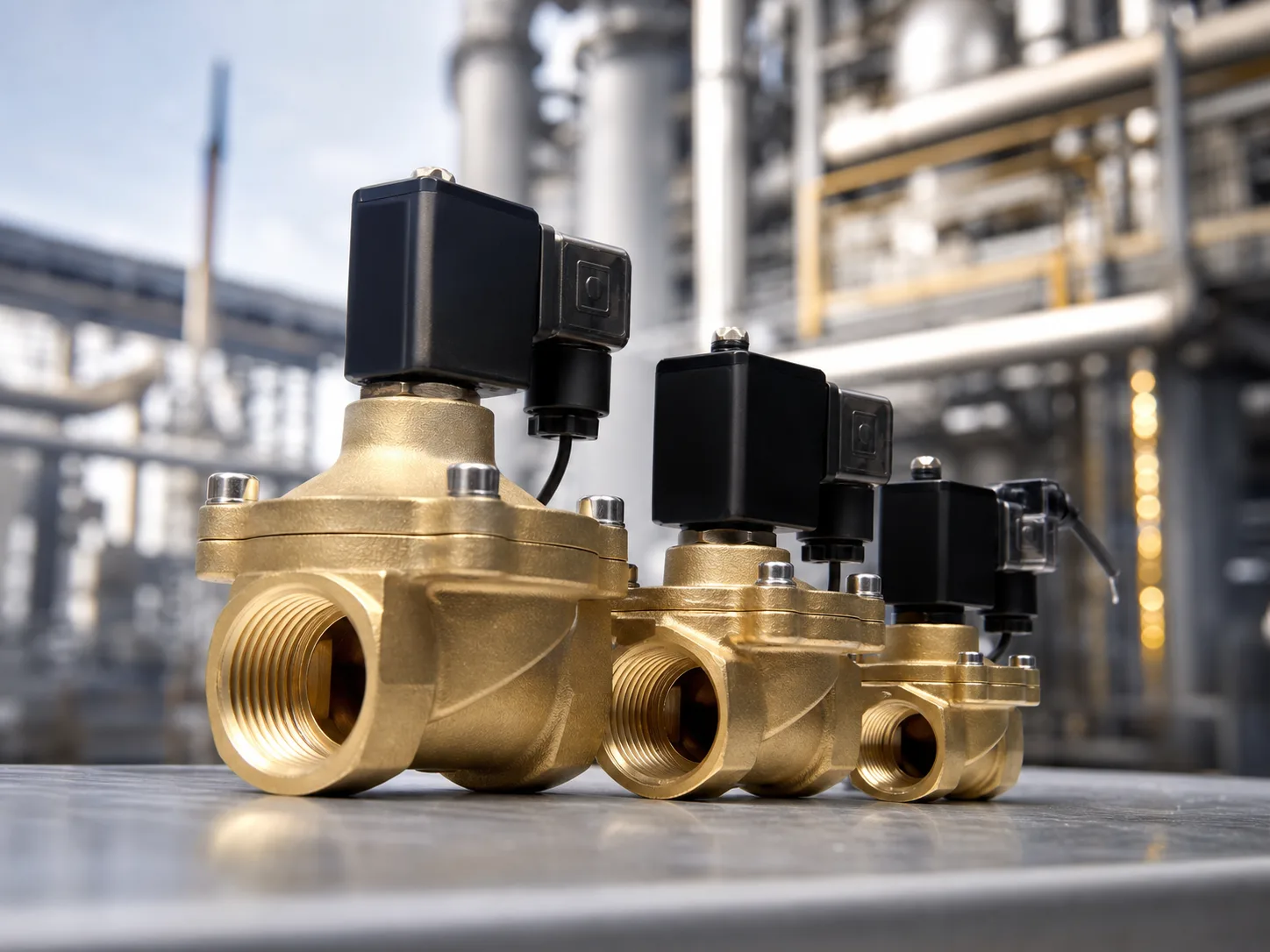
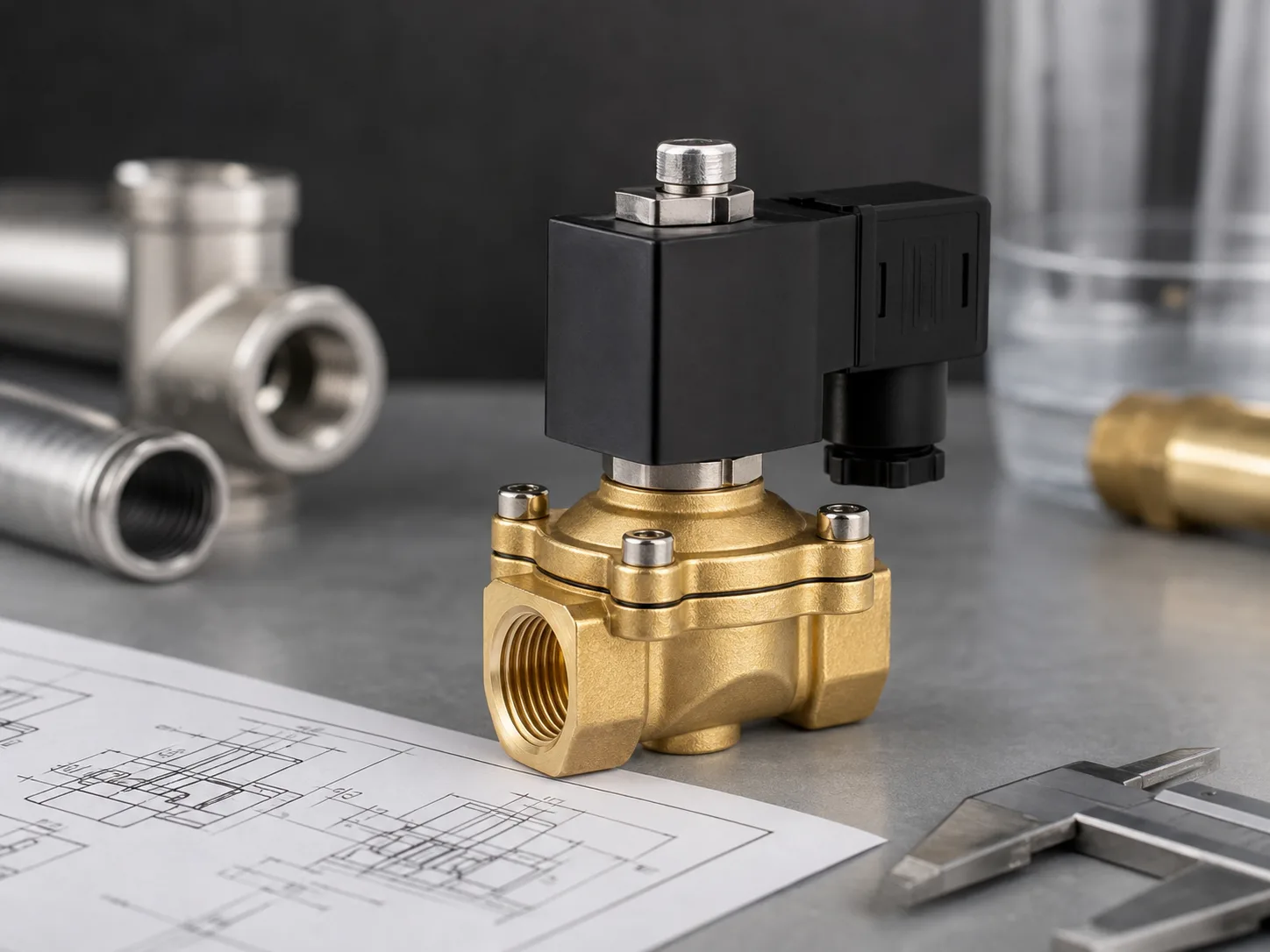
A brass valve such as the 2W160-15 normally closed solenoid valve is suitable for many general water control tasks. Plastic valves such as the 2P025-08 series plastic solenoid valve may be used in lighter systems or water treatment equipment where material compatibility and cost are important.
Water valves must be selected by pressure, temperature, flow, pipe size, media cleanliness, and installation direction. Water hammer can occur when a valve closes quickly in a long line. If the system is sensitive, piping design and valve type should be reviewed together.
Steam Solenoid Valves
Steam is much more demanding than normal water or compressed air. It carries heat, pressure, and condensate. Standard air or water valves may fail quickly because seals harden, soften, deform, or lose sealing ability at high temperature.
A steam valve needs materials and seals designed for high-temperature service. The 2L series high temperature water steam solenoid valve is an example of a valve type intended for steam and hot media control.
Steam systems should also consider installation position, condensate drainage, pressure rating, and coil heat. A valve installed where condensate collects may suffer water hammer or unstable operation. For steam, always check the full specification and application conditions before ordering.
Body Material Differences
Aluminum alloy is common in pneumatic directional valves because it is lightweight, machinable, and suitable for compressed air systems. Brass is common in water and general fluid valves because it offers good strength and corrosion resistance for many non-aggressive media.
Stainless steel is selected where corrosion resistance, cleanliness, or media compatibility is more important. Products such as stainless steel 2S series valves are used for water and fluid applications where a stronger material is needed. Plastic valves may be used in certain water treatment or light-duty applications where corrosion resistance and weight are priorities.
The correct body material depends on media, pressure, temperature, environment, and cost. Do not assume that a more expensive material is always required, but do not use a lower-grade material where media compatibility is uncertain.
Seal Material Differences
Seal material is often the hidden reason a valve succeeds or fails. NBR, Viton, EPDM, PTFE, and other materials handle different media and temperatures. A seal that works with compressed air may not work with hot water, oil, chemical additives, or steam.
For water, EPDM or other compatible materials may be used depending on temperature and media. For oil or higher temperature, Viton may be selected in some applications. For steam, high-temperature sealing materials are required.
When the media contains additives, cleaning agents, or special fluids, ask for compatibility information. Seal swelling, hardening, or cracking can cause leakage and valve sticking.
Direct Acting and Pilot Operated Fluid Valves
Direct acting valves can open without a minimum pressure difference, which is useful for low-pressure or small-flow systems. They are common in compact valves with smaller orifices. Pilot operated or diaphragm valves can handle larger flow but usually need a minimum pressure difference to operate correctly.
This detail is important in water systems. If a pilot operated valve is installed in a low-pressure gravity-fed line, it may not open reliably. If a direct acting valve is too small for the required flow, the system may fill or drain too slowly.
Check not only port size but also valve operating principle, orifice size, pressure range, and minimum pressure requirement.
Common Selection Mistakes
The most serious mistake is using a standard pneumatic air valve for steam. The valve may switch during a short test, but the seals and coil area may not survive the heat. Another common mistake is using a water valve in a pneumatic actuator circuit where fast exhaust and directional control are needed.
Buyers also sometimes ignore media temperature. A valve rated for normal temperature water may not be suitable for hot water. A valve used near heat sources may experience higher ambient temperature than expected.
Another mistake is failing to check flow direction. Many 2/2 way fluid valves have an arrow showing the correct direction. Installing them backward can cause leakage or failure to open.
Practical Selection Tips
Start with the medium: air, water, oil, steam, or another fluid. Then check temperature, pressure, flow, port size, body material, seal material, voltage, and installation direction. If the medium is not clean, consider filtration before the valve.
For compressed air automation, choose pneumatic air valves or directional valves. For water control, choose brass, plastic, or stainless steel water valves according to the application. For steam, choose a dedicated high-temperature steam valve.
For OEM or bulk purchasing, ask for model marking, voltage options, thread options, sealing material, packaging, and replacement coil availability. Clear specification reduces wrong shipments and installation delays.
Related Pneumatic Products
HOMIPNEU’s solenoid valve range covers compressed air control, water control, steam service, stainless steel valves, plastic valves, and explosion-proof valves. Air systems may also require pneumatic fittings, tubes, silencers, and air source treatment units to complete the circuit.
Choosing the correct valve by media protects the whole system from leakage, early seal failure, overheating, and unreliable operation.
FAQ
Can I use an air solenoid valve for water?
Only if the valve specification allows water. Many pneumatic air valves are not designed for liquid media and may leak or fail.
Can I use a water solenoid valve for steam?
Not unless it is rated for steam temperature and pressure. Steam requires high-temperature materials and seals.
What valve material is best for water?
Brass is common for general water control, stainless steel is used for better corrosion resistance, and plastic may suit some water treatment or light-duty systems.
Why does a fluid solenoid valve have a flow direction arrow?
Many 2/2 way valves are designed to seal correctly in one direction. Reverse installation can cause leakage or failure to open.
What is the main difference between air valves and water valves?
Air valves are optimized for compressed air switching and pneumatic control. Water valves are designed for liquid sealing, flow, and material compatibility.
Conclusion
Water, steam and air solenoid valves should be selected by medium first, then by pressure, temperature, port size, voltage, material, and flow. Using the wrong valve type may save time during purchasing but create leakage and failure in operation. Matching the valve to the real media is the most reliable way to protect the system and reduce maintenance problems.