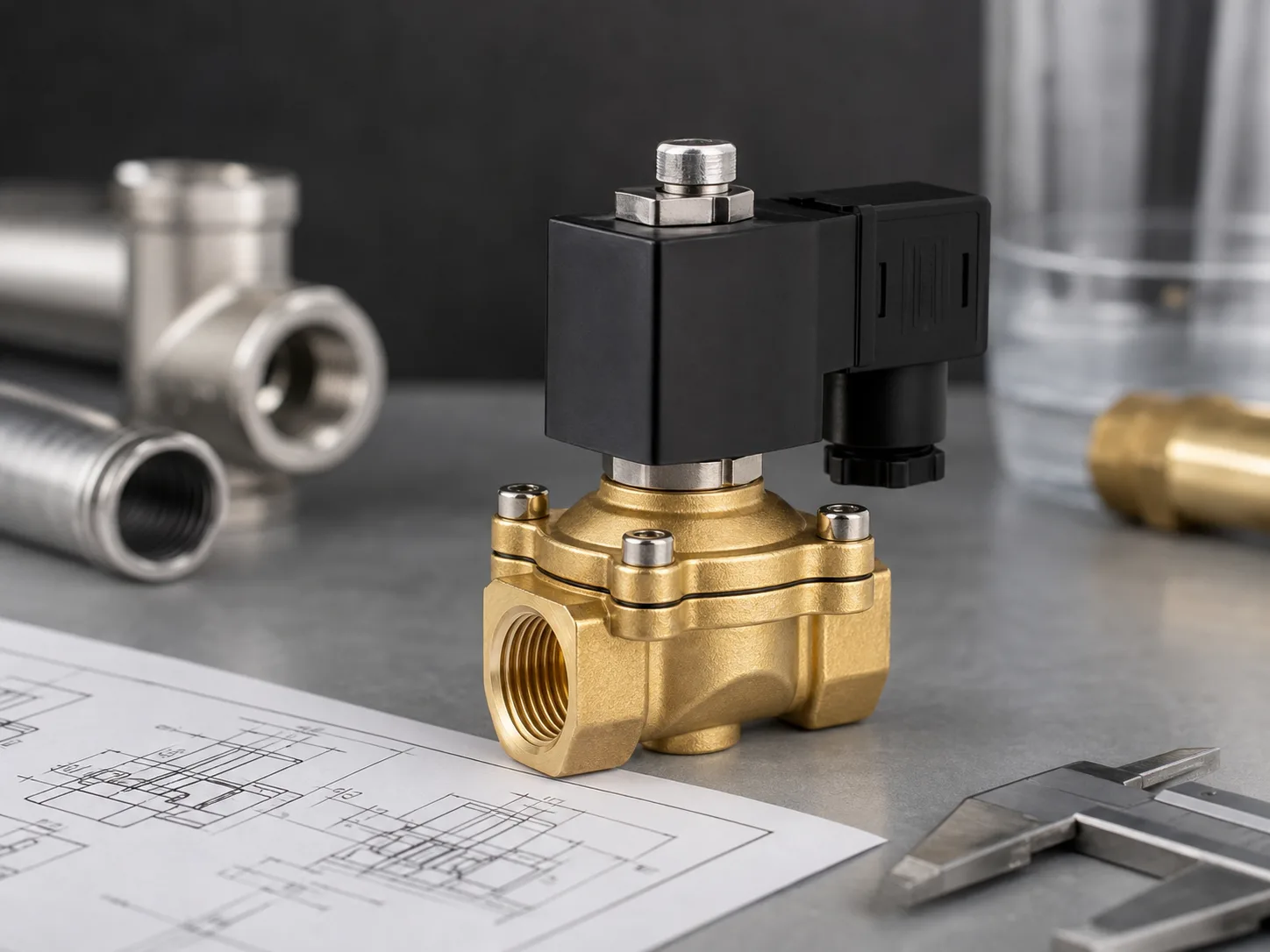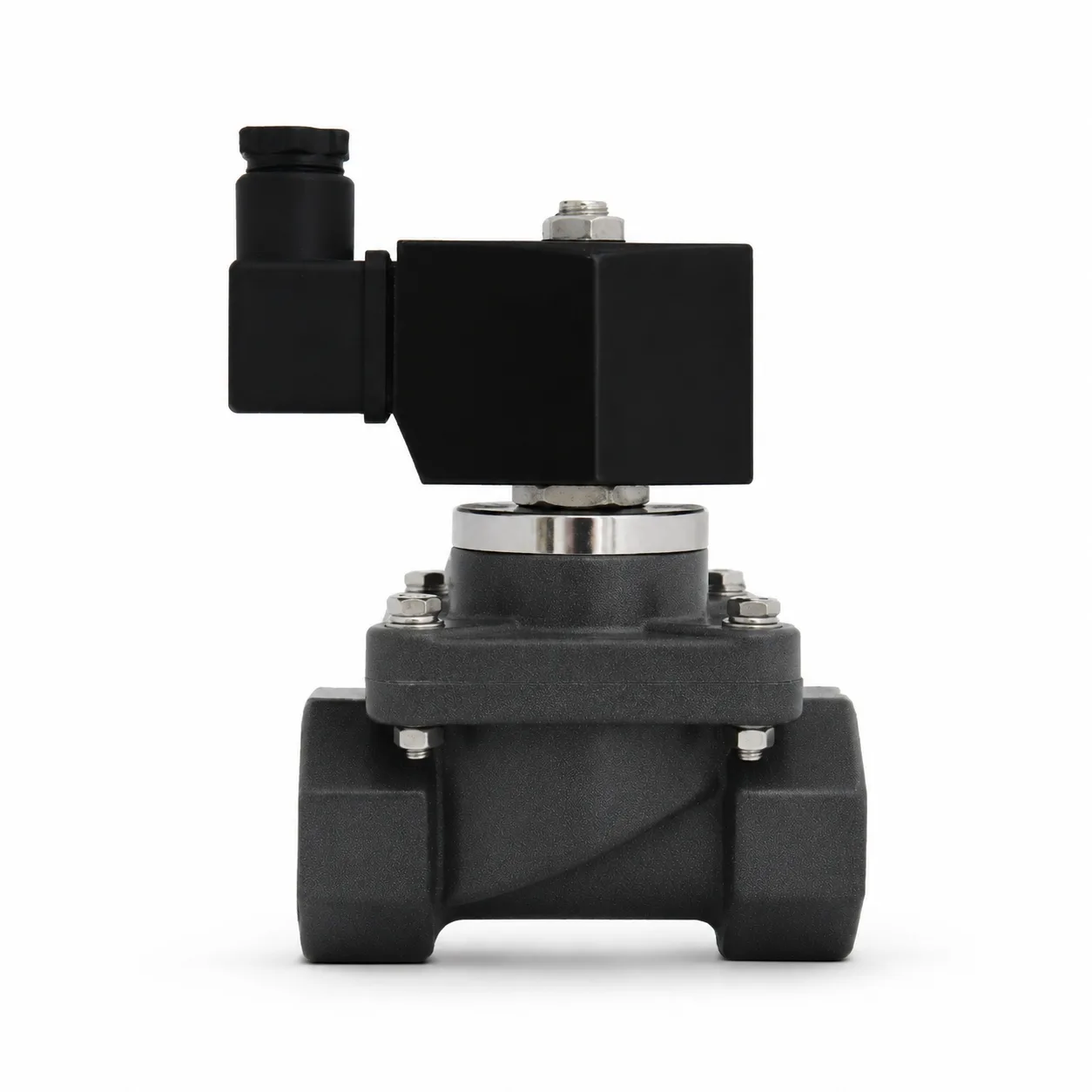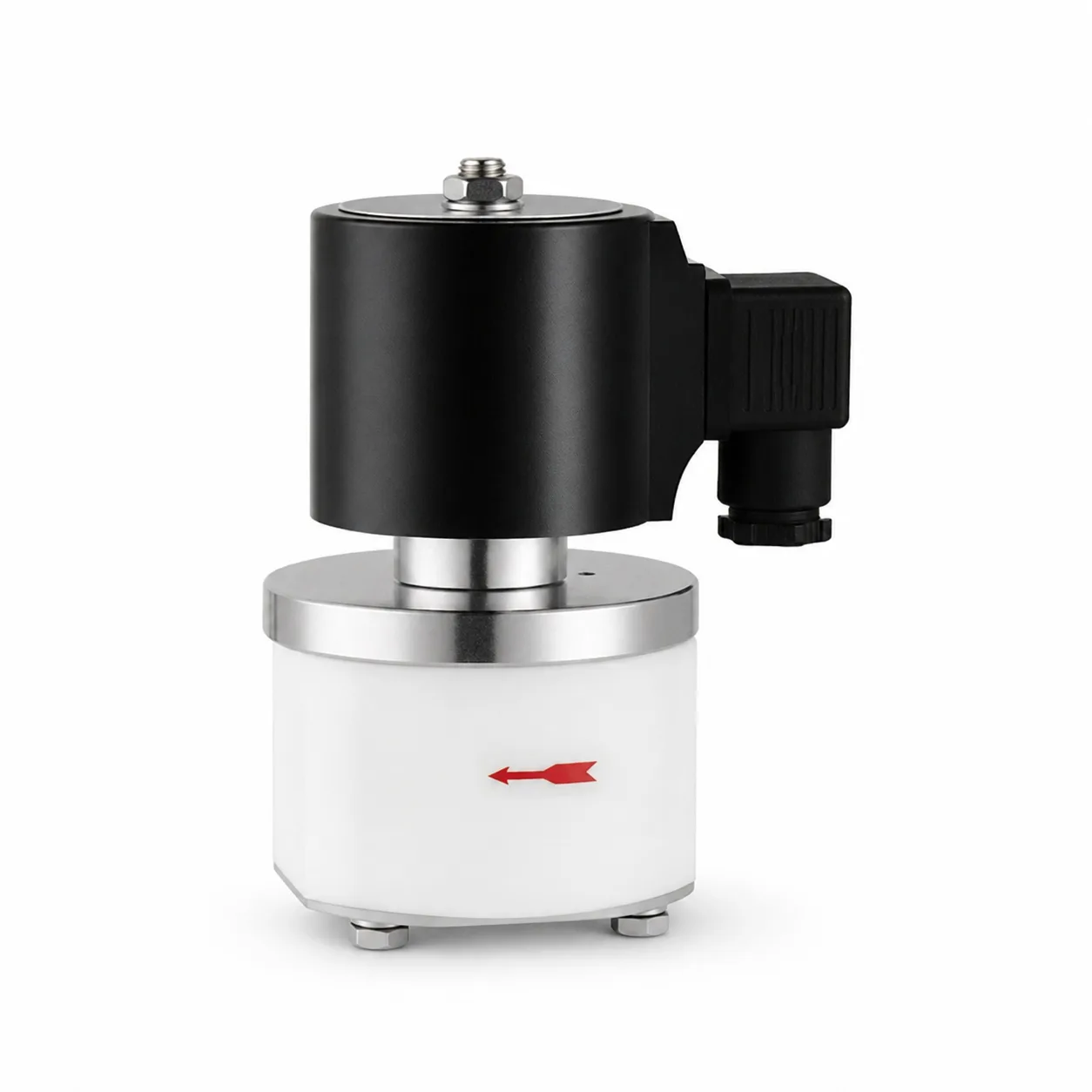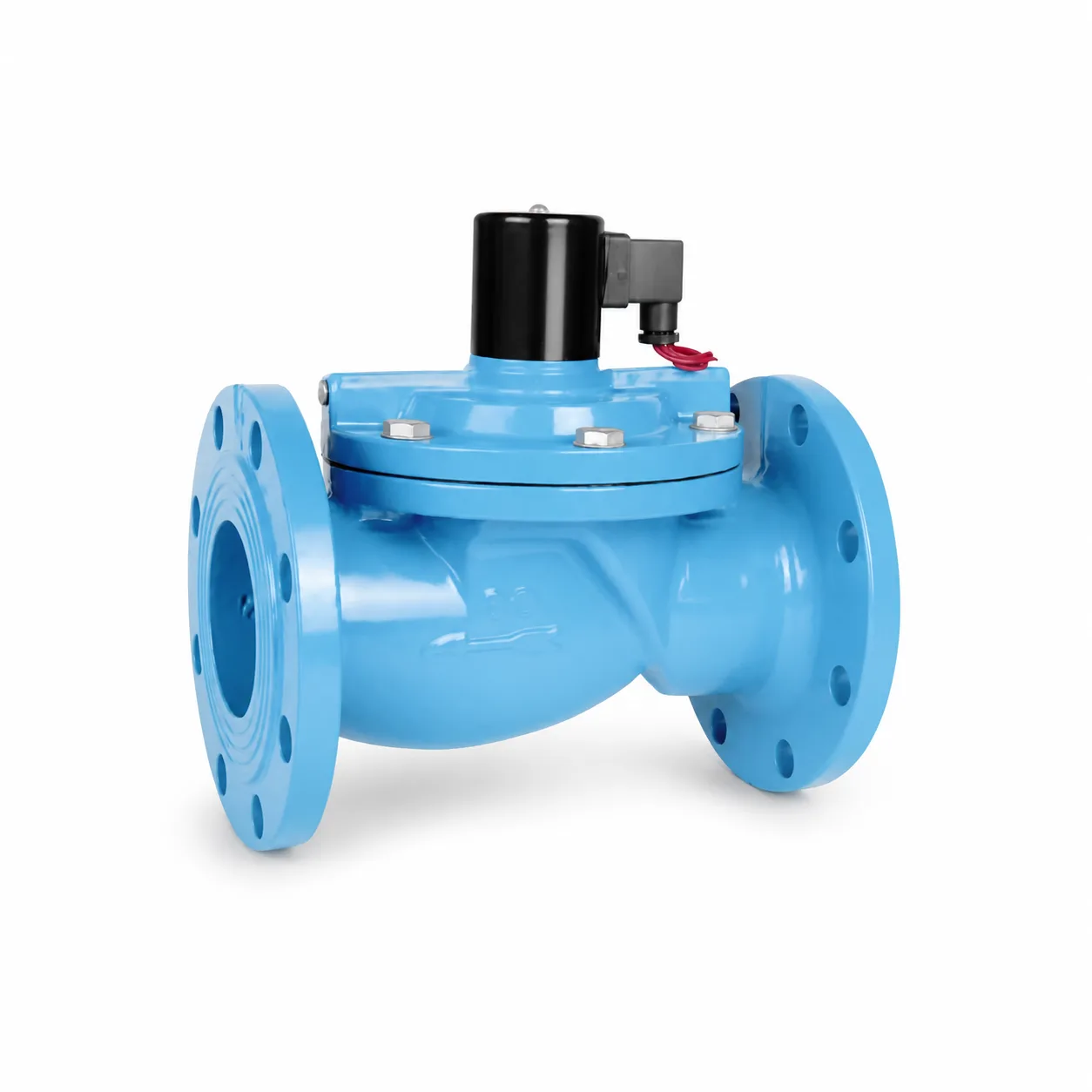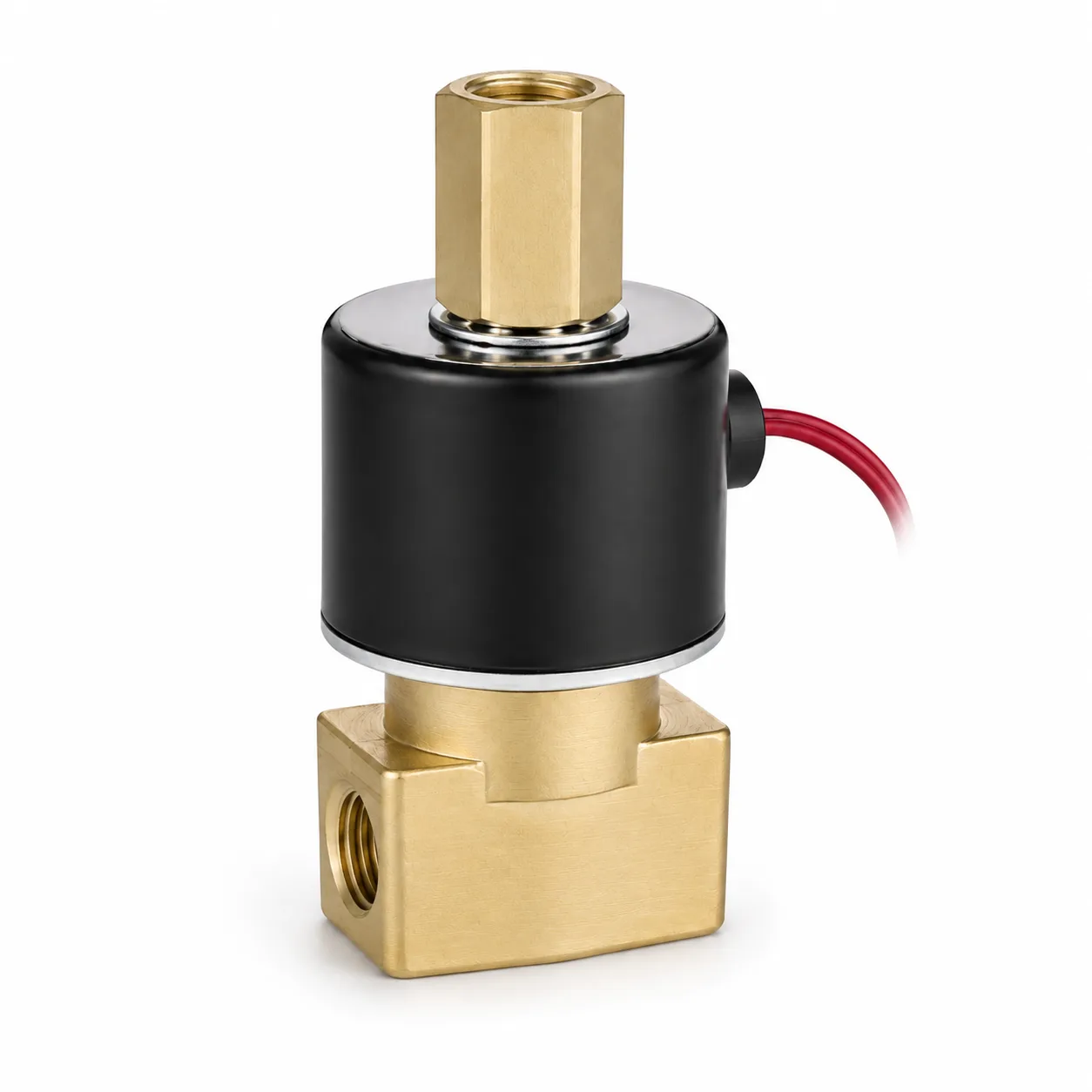
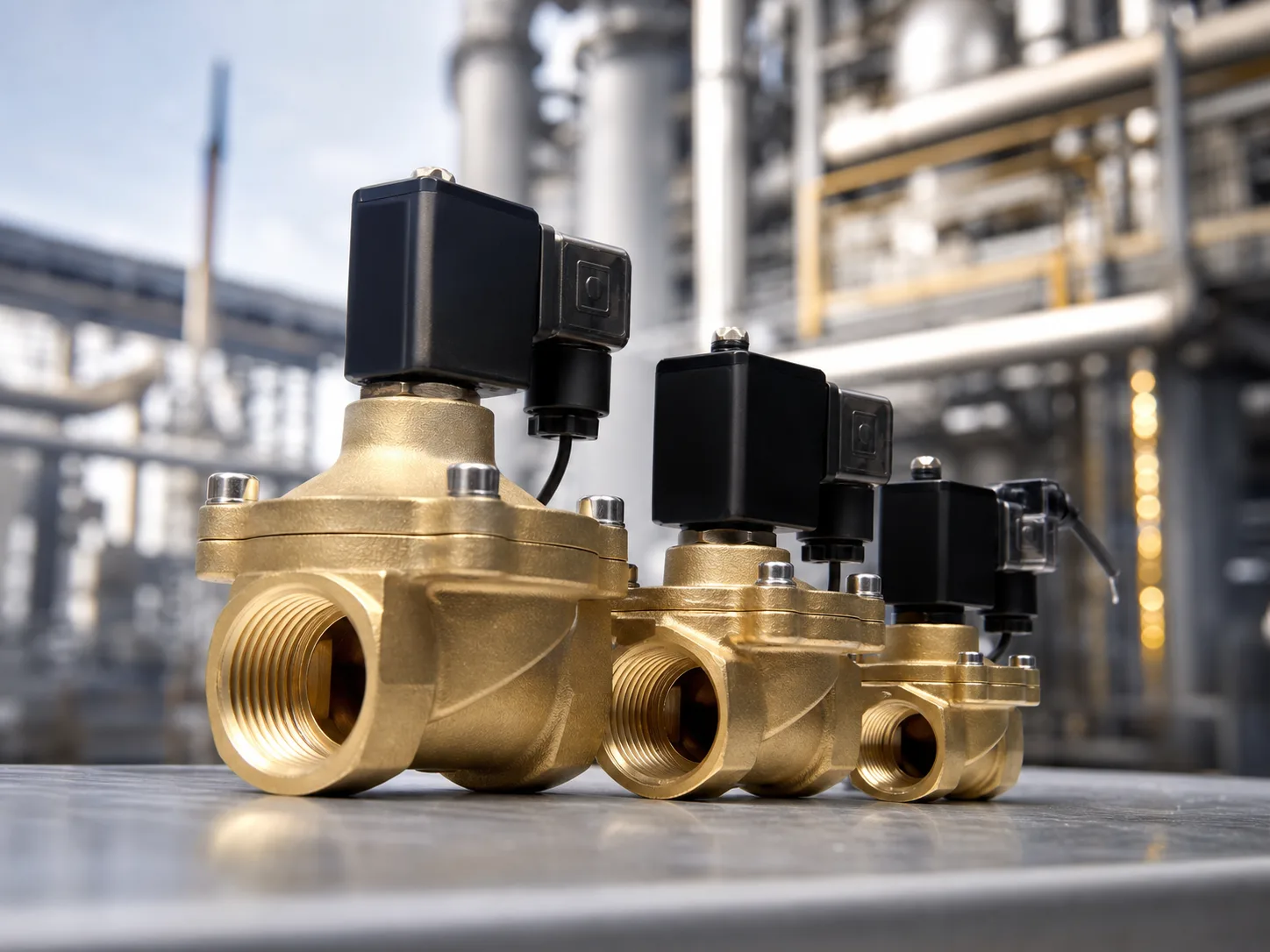
YX Series Mini Solenoid Valve

YX Series Mini Solenoid Valve

Specifications Parameter 22-06 22-08 23-06 23-08 Product Series YX Series YX Series YX Series YX Series Valve Function Two position two way Two position two way Two position three way Two position three way Working Medium Air, water, oil, steam Air, water, oil, steam Air Air Joint Pipe Bore 1/8″ 1/4″ 1/8″ 1/4″ Aperture of Flow Rate 1.6 mm 2.4 / 3.2 / 4.0 mm 1.6 mm Confirm before ordering CV Value 0.10 0.21 / 0.33 / 0.43 0.10 Confirm before ordering Working Pressure Range 0–15 0–10 / 0–7 / 0–5 0–9 Confirm before ordering Voltage Range ±10% ±10% ±10% ±10% Oil Seal Material NBR or VITON NBR or VITON NBR or VITON NBR or VITON Standard Voltage DC12V, DC24V, AC24V, AC36V, AC110V, AC220V, AC380V DC12V, DC24V, AC24V, AC36V, AC110V, AC220V, AC380V DC12V, DC24V, AC24V, AC36V, AC110V, AC220V, AC380V DC12V, DC24V, AC24V, AC36V, AC110V, AC220V, AC380V Selection Checks Confirm function, port size, medium, voltage, pressure, seal material, and aperture before ordering Confirm function, port size, medium, voltage, pressure, seal material, and aperture before ordering Confirm function, port size, medium, voltage,…

Views: 37     2026-07-11
Where 3V and 4V Series Directional Valves Are Used

Where 3V and 4V Series Directional Valves Are Used

3V and 4V series directional valves appear in many automation machines because they cover two very common pneumatic jobs: single-output air control and double-acting cylinder direction control. The 3V110, 3V210, 3V310 and 3V410 models are useful for simple supply-and-exhaust circuits. The 4V110, 4V210, 4V310 and 4V410 models are useful when a double-acting cylinder must extend and retract under air control. For buyers comparing products inside the solenoid valve category, industry application is a practical way to narrow the choice. The same valve family can be used in packaging, assembly, textile machinery, woodworking, light handling and general factory automation, but the correct size depends on actuator load, cylinder bore, cycle speed and available installation space. Packaging Machinery Packaging machines often use pneumatic cylinders for pushing cartons, guiding film, cutting, sealing, clamping and rejecting products. Small functions may use 3V valves when a spring-return cylinder or air blow point is enough. For example, a small reject nozzle or single-acting stopper can use a 3/2 way valve to supply air and exhaust quickly. Double-acting cylinders on packaging equipment often use 4V valves. A…

Views: 40     2026-07-09
How to Select 3V110 to 4V410 Pneumatic Solenoid Valves

How to Select 3V110 to 4V410 Pneumatic Solenoid Valves

Choosing between 3V110, 3V210, 3V310, 3V410, 4V110, 4V210, 4V310 and 4V410 is not only a matter of thread size. These pneumatic solenoid valves differ in circuit function, flow capacity, actuator matching and installation space. A good selection starts from the movement the machine needs, then works backward to valve function and size. All of these models are part of the solenoid valve range, but they should not be treated as one interchangeable group. The 3V models are 3/2 way valves for single-output air control. The 4V models are 5/2 way valves for double-acting cylinder direction control. Step 1: Identify the Pneumatic Circuit Start by checking the actuator. If the equipment uses a single-acting cylinder with spring return, or if the valve only needs to turn air on and exhaust it after the signal stops, the 3V series is normally the correct direction. The circuit needs supply, output and exhaust. If the actuator is a double-acting cylinder, the machine needs air alternately supplied to both sides of the piston. In that case, choose the 4V series. A 5/2 valve such as…

Views: 35     2026-07-09
3V vs 4V Directional Control Valves: Main Differences

3V vs 4V Directional Control Valves: Main Differences

For many pneumatic machines, the model number on a valve looks simple, but the function behind it decides how the actuator moves. The 3V110, 3V210, 3V310 and 3V410 valves are normally used as 3/2 way air solenoid valves, while 4V110, 4V210, 4V310 and 4V410 valves are normally used as 5/2 way directional control valves. Both groups belong in the solenoid valve category, but they solve different circuit problems. The practical difference is the actuator type. A 3V valve is usually selected for a single-acting cylinder, air blow control, signal air, or a small pneumatic device that needs supply and exhaust through one working port. A 4V valve is usually selected for a double-acting cylinder that needs two cylinder ports to switch between extension and retraction. Port Function Is the First Difference A 3V series valve has three ports and two positions. One port receives supply air, one port connects to the actuator or output line, and one port exhausts air when the valve switches back. This layout makes the valve suitable for single-acting cylinders because the spring inside the cylinder…

Views: 31     2026-07-09
Russia’s 2026 Factory Reset Puts Pneumatic Solenoid Valves Back in the Procurement Spotlight

Russia’s 2026 Factory Reset Puts Pneumatic Solenoid Valves Back in the Procurement Spotlight

Russian manufacturers are taking a cautious but practical approach to automation in 2026, keeping pneumatic solenoid valves in focus for maintenance, retrofit and uptime-driven procurement.

Views: 82     2026-06-25
Russian OEMs Look to Compact 3/2 and 5/2 Solenoid Valves as Automation Budgets Tighten in 2026

Russian OEMs Look to Compact 3/2 and 5/2 Solenoid Valves as Automation Budgets Tighten in 2026

Russian OEMs are favoring compact 3/2, 5/2 and 5/3 solenoid valves in 2026 as they protect automation functions while keeping machine costs and redesign work under control.

Views: 80     2026-06-25
Fluid Control Demand in Russia Lifts Interest in Brass and Stainless Steel Solenoid Valves

Fluid Control Demand in Russia Lifts Interest in Brass and Stainless Steel Solenoid Valves

Russian fluid-control buyers are comparing brass, stainless steel and plastic solenoid valves more carefully in 2026 as maintenance and retrofit projects continue across utilities and factories.

Views: 63     2026-06-25
Explosion-Proof NAMUR Solenoid Valves Gain Attention in Russia’s Process Industries

Explosion-Proof NAMUR Solenoid Valves Gain Attention in Russia’s Process Industries

Russia’s process industries are paying closer attention to explosion-proof NAMUR solenoid valves in 2026 as plants extend actuator life and focus on safe, reliable pneumatic control.

Views: 70     2026-06-25
Water Treatment and Utility Projects Keep Plastic Solenoid Valves on Russia’s 2026 Buying List

Water Treatment and Utility Projects Keep Plastic Solenoid Valves on Russia’s 2026 Buying List

Plastic solenoid valves remain relevant for Russia’s 2026 water treatment and utility-control projects, especially where compact size, cost control and simple replacement matter.

Views: 67     2026-06-25
Solenoid Valves for Packaging Machinery Air Control

Solenoid Valves for Packaging Machinery Air Control

See how solenoid valves are used in packaging machinery for cylinder control, reject systems, sealing stations, air blow-off, and reliable pneumatic automation.

Views: 98     2026-06-20
Water, Steam and Air Solenoid Valves: Key Differences

Water, Steam and Air Solenoid Valves: Key Differences

Compare water, steam and air solenoid valves by media, temperature, pressure, body material, seal material, and common selection mistakes in industrial systems.

Views: 81     2026-06-20
Why Solenoid Valves Fail in Pneumatic Systems

Why Solenoid Valves Fail in Pneumatic Systems

Find out why solenoid valves fail in pneumatic systems, including dirty air, wrong voltage, low pressure, coil heat, blocked exhaust, leakage, and poor installation.

Views: 71     2026-06-20