When buyers compare pneumatic fittings, material is one of the first questions that comes up. Should the machine use plastic push-in fittings, nickel-plated brass fittings, or full metal fittings? The answer depends on the application. There is no single best material for every pneumatic system. The right choice is the one that matches pressure, temperature, environment, movement, appearance, and cost expectations.
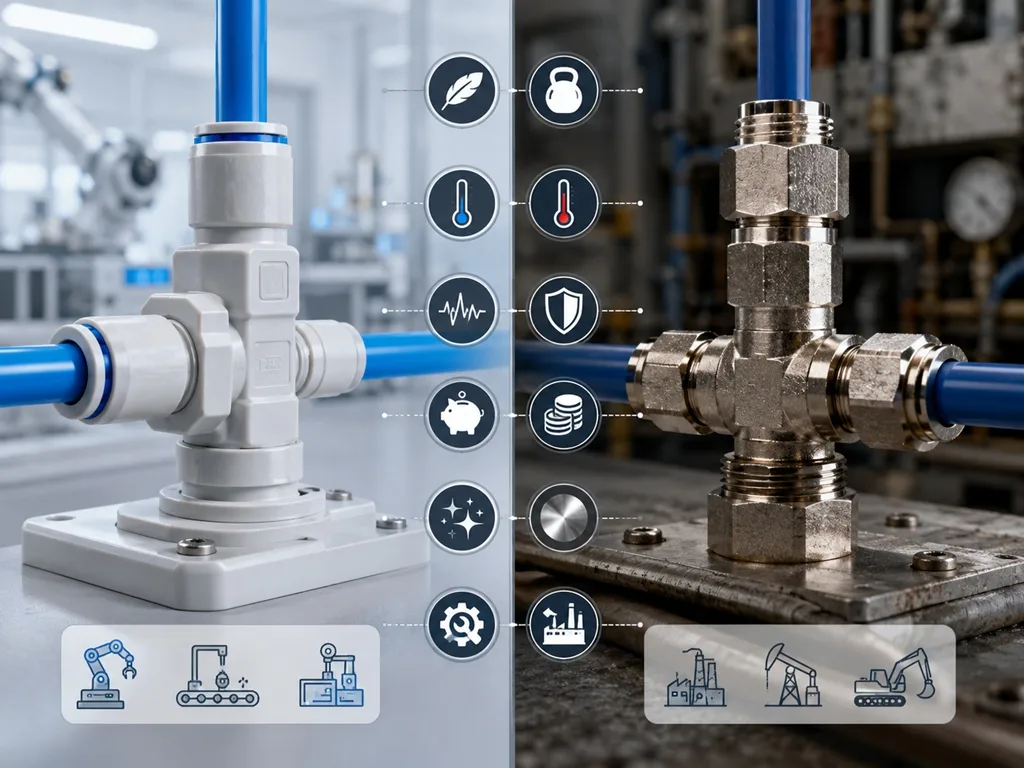
In modern automation, many fittings combine an engineering plastic body with a metal threaded section. This design offers fast installation, low weight, and good performance in clean factory environments. Brass and metal fittings are still important where mechanical strength, heat resistance, or long-term durability under harsher conditions is required.
Why Plastic Pneumatic Fittings Are Widely Used
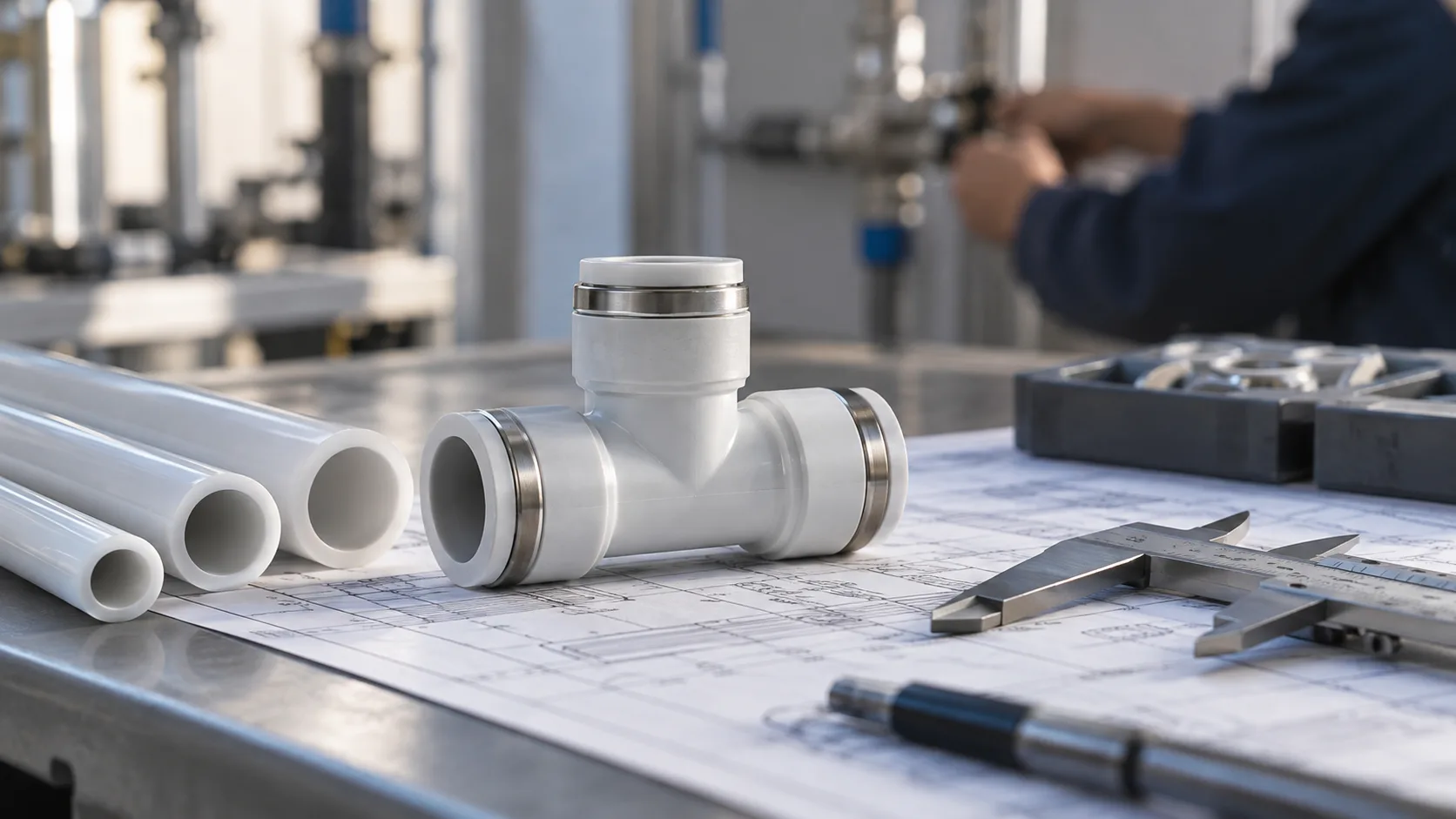
Engineering plastic fittings are popular because they are lightweight, compact, and easy to install. For control cabinets, small cylinders, solenoid valve stations, packaging machines, and assembly equipment, plastic push-to-connect fittings are often a practical choice.
They also allow color options and clean product appearance. In many machines, fittings are visible to operators or customers. A neat fitting layout with consistent colors can make the pneumatic system easier to understand and maintain.
Plastic fittings are often cost-effective for large quantity use. When a machine builder needs hundreds or thousands of fittings, the price difference can matter. However, cost should be evaluated together with leak performance and consistency. A cheaper fitting that creates more rework is not truly cheaper.
Where Brass Fittings Have Advantages
Brass fittings, especially nickel-plated brass fittings, provide good mechanical strength and corrosion resistance for many industrial applications. The metal thread is strong and handles repeated installation better than some softer materials. Nickel plating improves surface protection and gives a clean finish.
Brass is often preferred in areas with higher stress, more frequent maintenance, or where the fitting body may be exposed to impact. It is also useful when the fitting must hold up under higher temperatures than standard plastic bodies can tolerate.
Full metal fittings can be heavier and more expensive, but in the right application they offer confidence. The decision should be based on the real working environment, not only tradition.
Temperature and Environment
Temperature is a major factor in material selection. Standard plastic fittings work well in many indoor factory conditions, but high heat can reduce performance. If a fitting is near welding equipment, ovens, hot molds, or high-temperature compressed air, confirm the material rating before use.
Cold environments also matter. Some plastics become less flexible at low temperatures, which may affect impact resistance. Outdoor equipment brings additional concerns such as UV exposure, moisture, and temperature cycling.
Chemicals should also be considered. Cleaning agents, oils, coolants, and solvents can affect plastic or seals. If the fitting will be used in a chemical environment, ask for compatibility information instead of relying only on general pressure ratings.
Vibration and Mechanical Stress
Machines with vibration need fittings that can maintain sealing under movement. The material is important, but routing is just as important. Even a strong metal fitting can leak if the tube is pulling sideways or vibrating without support.
Plastic fittings may be perfectly suitable when the tube is well supported and the environment is clean. Metal fittings may be better where the body could be hit, twisted, or exposed to repeated mechanical force. In moving systems, swivel elbows or rotary fittings may reduce stress more effectively than simply choosing a stronger material.
Weight and Space
Plastic fittings are lightweight, which is useful on moving parts, compact manifolds, and equipment where weight reduction matters. On robotic end tooling or small pneumatic actuators, reducing weight can improve movement and reduce stress on the assembly.
Metal fittings may be more robust, but the extra weight may not be necessary in every location. A good pneumatic design may use different materials in different areas of the same machine. For example, standard push-in fittings may be used in the control cabinet, while metal fittings are used near a higher-stress working head.
Appearance and Identification
In production equipment, appearance is not only cosmetic. A clean pneumatic layout helps technicians identify tube paths and service points. Plastic fittings with consistent color can make the layout easier to read. Metal fittings may create a more rugged industrial appearance.
Some OEM buyers also care about brand consistency. They may request specific colors, packaging, or fitting series to match their machine design. A supplier that can support stable appearance across batches is valuable for repeat production.
Cost and Total Value
Plastic fittings usually offer a strong balance of performance and cost for general automation. Brass and metal fittings cost more, but may reduce risk in demanding areas. The correct comparison is not just unit price. It should include assembly time, leakage rate, rework, machine downtime, and spare part availability.
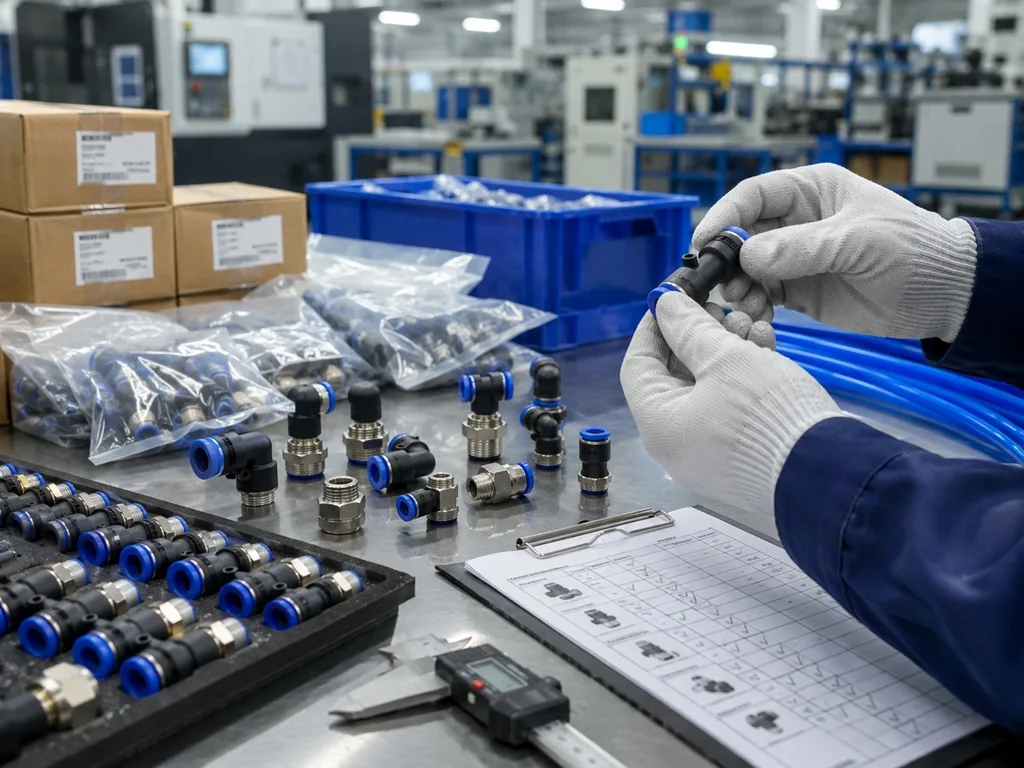
For bulk purchasing, test sample fittings under real working conditions. Check tube insertion, release force, thread quality, sealing performance, and appearance. A fitting that performs consistently across the sample batch is more likely to support stable production.
Common Applications
Plastic push-in fittings are commonly used in packaging machines, labeling equipment, automatic assembly lines, pneumatic control panels, small cylinders, grippers, and air preparation circuits. Brass or nickel-plated brass fittings are often used in areas with higher mechanical demand, more frequent service, or harsher surroundings.
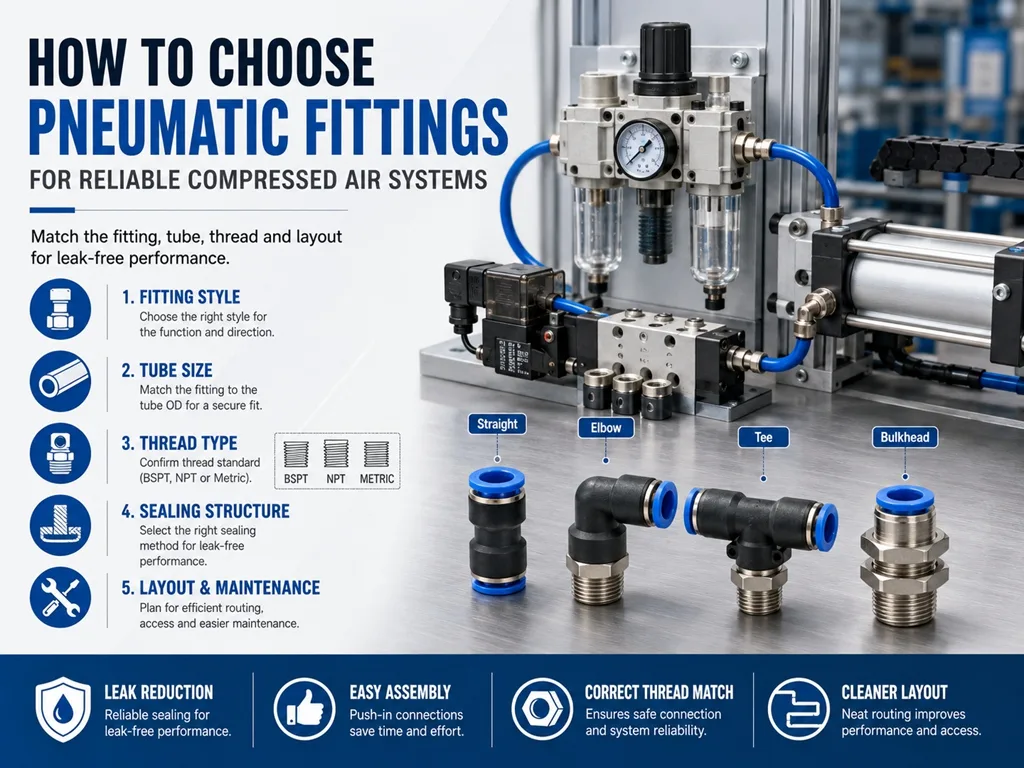
When reviewing a pneumatic fittings product range, look at both the fitting body and threaded section. Many useful industrial fittings combine plastic convenience with metal thread strength.
How to Decide
Start with the working conditions. What is the pressure? What is the temperature? Is there vibration? Will the tube move? Is the fitting exposed to chemicals, impact, or outdoor conditions? How often will the tube be disconnected? Is the part used in a visible area of the machine?
If the environment is clean, the pressure is standard, and the layout is well supported, plastic push-to-connect fittings may be the best choice. If the area is hot, exposed, heavily stressed, or frequently serviced, brass or metal fittings may be more suitable.
Final Thoughts
Plastic and brass pneumatic fittings both have a place in modern compressed air systems. The best material depends on the application, not on a simple rule. By considering temperature, mechanical stress, chemical exposure, weight, appearance, and total cost, engineers and buyers can choose fittings that support both machine performance and long-term maintenance.