Industrial air blow guns are simple tools, but Brazilian buyers rarely need only one universal model. A maintenance bench, a packaging line, a machine shop, and an automotive parts plant may all use compressed air cleaning, yet each application has different requirements for reach, airflow, body material, connector type, and operator comfort. The practical opportunity in Brazil is therefore not just selling an air gun. It is helping factories and distributors match a small group of models to repeatable cleaning jobs.
Brazil’s industrial activity remains mixed but active. IBGE reported that national industrial production changed -0.2% from April to May 2026, while the January-May cumulative index was still 1.4% above the same period of 2025. Machinery and equipment, motor vehicles, basic metals, and several other manufacturing activities advanced during the month. For compressed air tool suppliers, this uneven pattern favors practical products used in maintenance, replacement, workstation cleaning, and incremental production upgrades.
Where Air Blow Guns Fit in Brazilian Industry
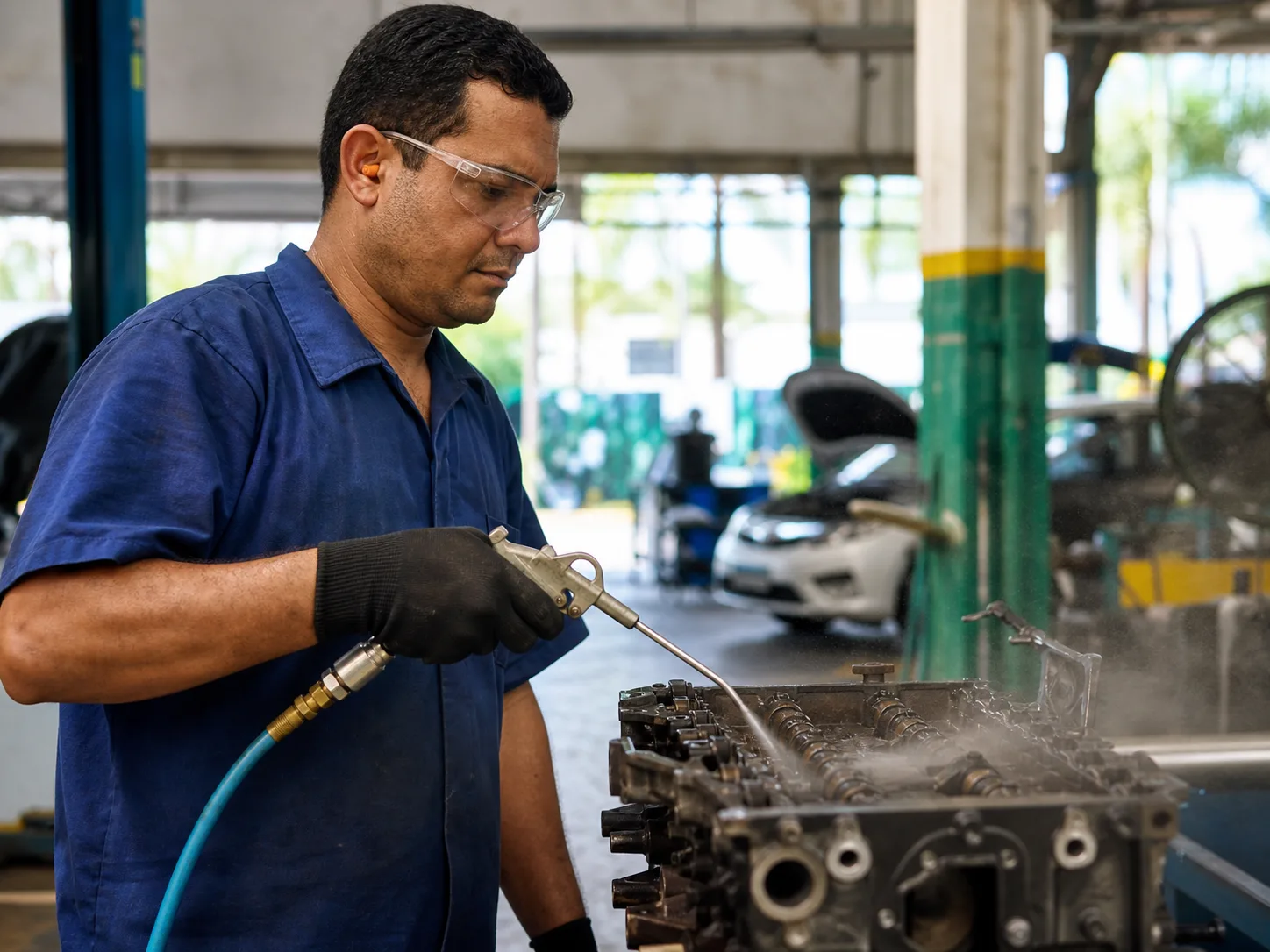
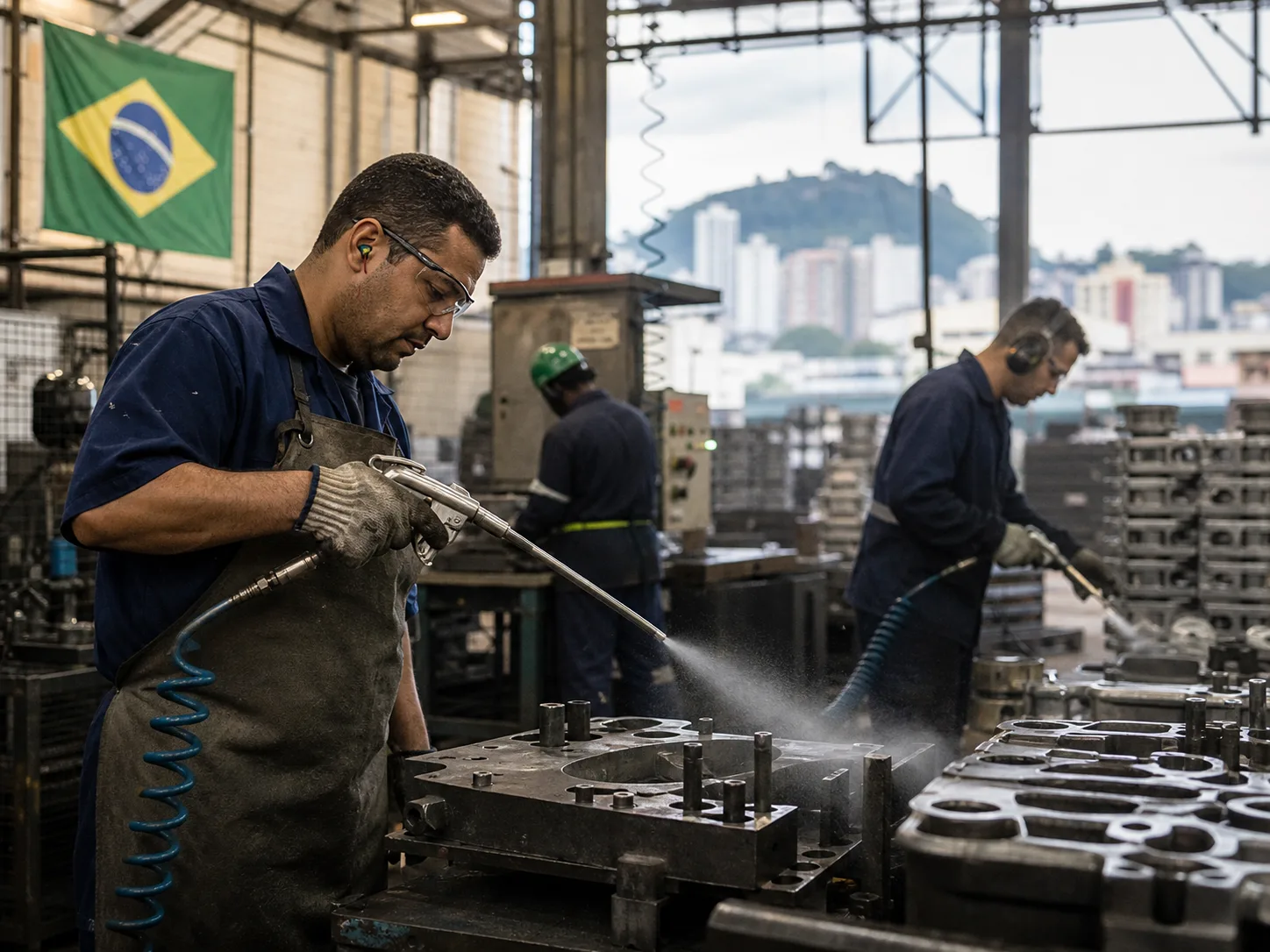
Air blow guns are used wherever loose dust, chips, particles, or moisture must be removed without adding a motorized cleaning tool to every station. Typical demand comes from metalworking, automotive components, packaging machinery, woodworking, maintenance departments, mold cleaning, repair shops, and general assembly. A gun may be connected for a few seconds between jobs or remain at a dedicated cleaning station throughout a shift.
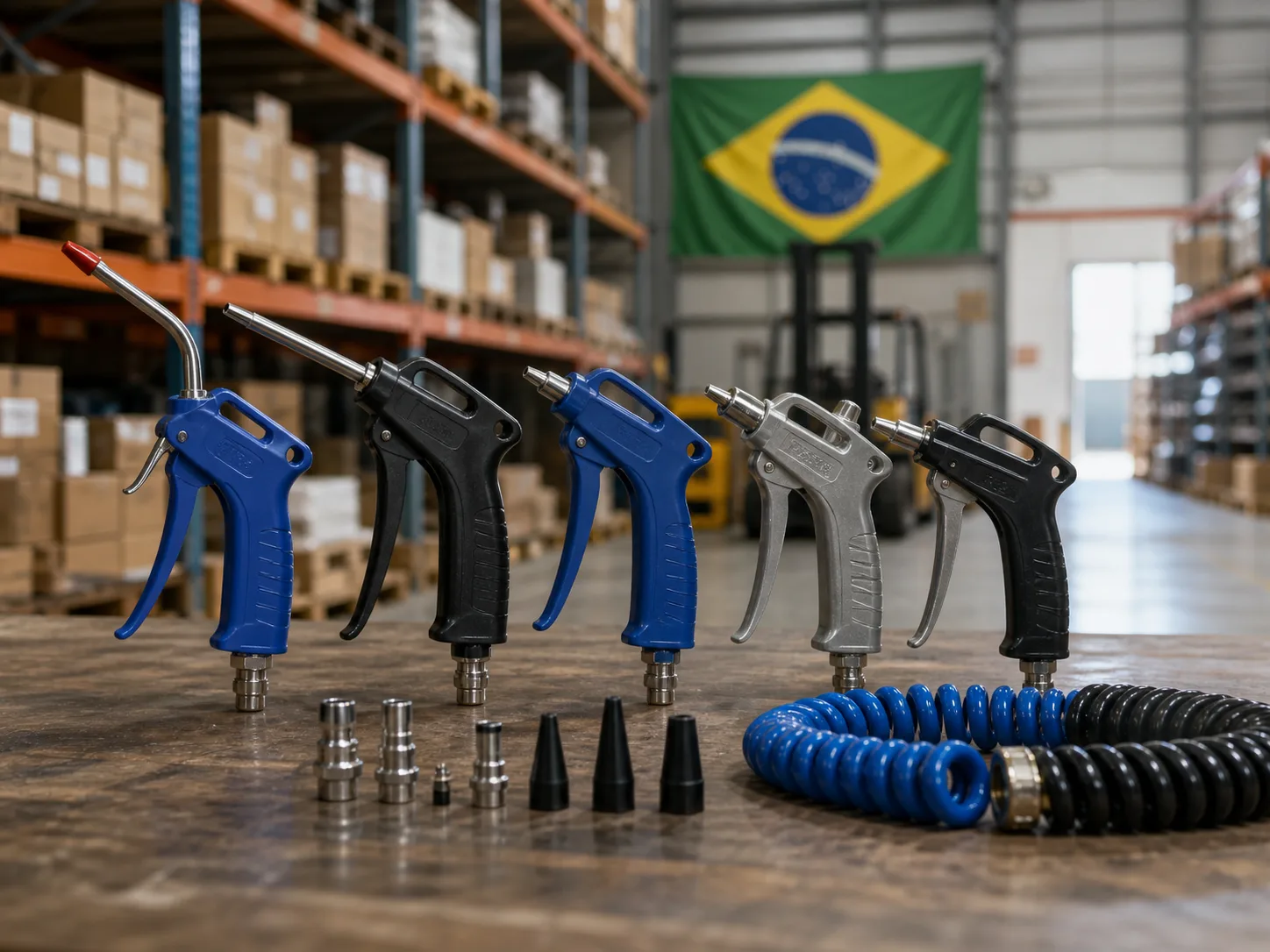
The Other Pneumatic Tools category includes plastic and metal air guns with short, long, focused, and large-diameter nozzles. This variety matters because the cleaning result depends on nozzle geometry and access, not only compressor pressure. Buyers should define the surface, debris, working distance, and available hose connection before choosing a model.
| Brazilian Application | Useful Air Gun Direction | Main Selection Check |
|---|---|---|
| Assembly and packaging stations | Lightweight plastic body | Comfort during repeated short cleaning cycles |
| CNC and metalworking areas | Metal body with focused or long nozzle | Durability and access around fixtures |
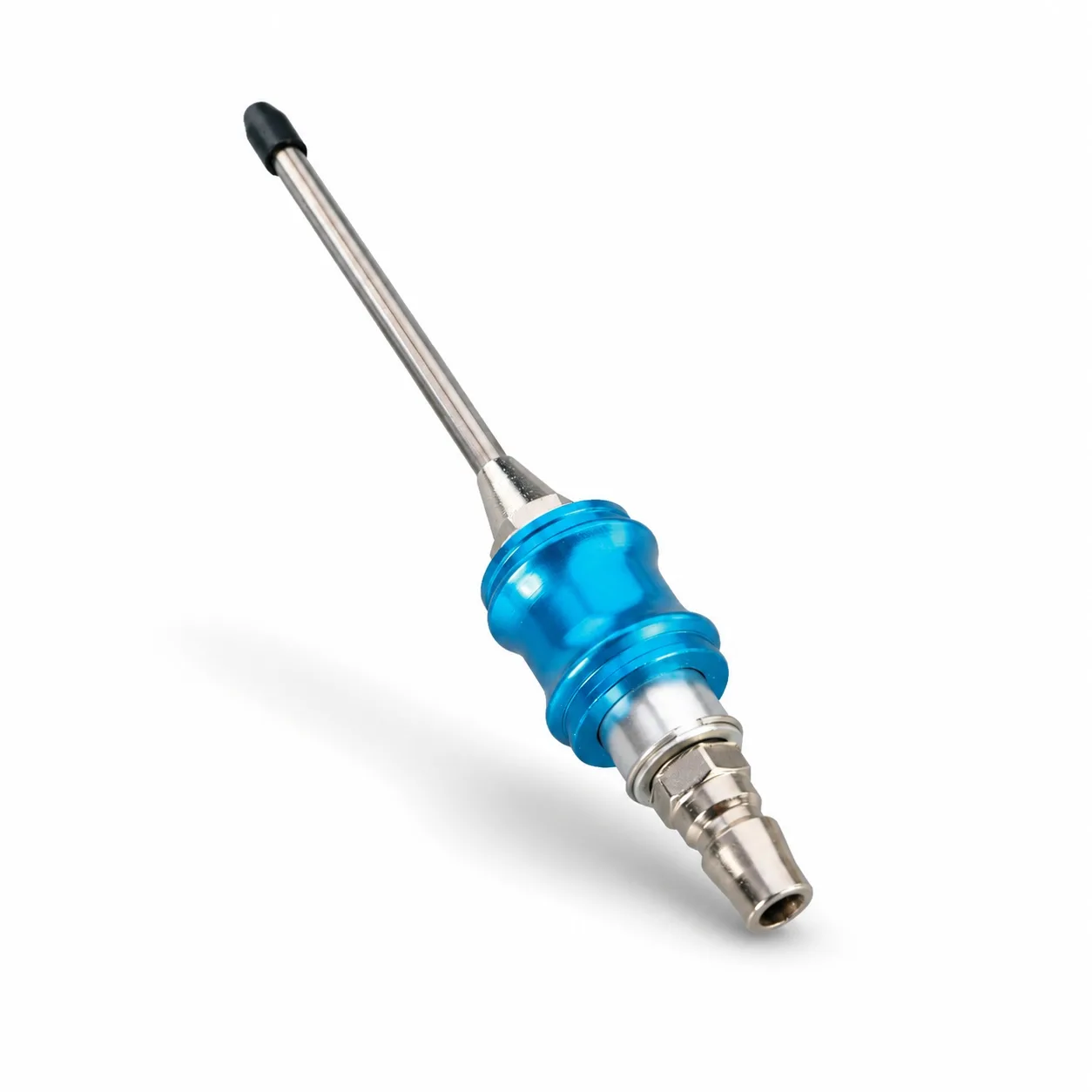
| Molds and enclosed machine spaces | Long nozzle model | Reach without placing hands inside equipment |
| General maintenance benches | Standard nozzle with quick connector | Fast connection to common workshop hoses |
| Wide surface blow-off | Large-diameter nozzle | Coverage and acceptable air consumption |
Plastic and Metal Bodies Serve Different Jobs
Plastic air blow guns are useful where low weight and easy handling are priorities. The A009 Plastic Air Blow Gun offers standard, 130 mm, and 300 mm long-nozzle versions, plus speed and large-diameter nozzle options. That gives distributors one series that can cover general benches, narrow machine gaps, focused cleaning, and wider blow-off tasks. Its 3/8-inch NPT inlet should be checked against the customer’s hose and quick coupling standard before ordering.
For applications that favor a stronger body, the A018 Metal Air Gun Series uses an aluminum alloy body and includes standard, 300 mm long, speed, and large-diameter nozzle versions. A metal gun can be a better fit for shared maintenance departments, machine shops, and workstations where tools are handled frequently or stored with other industrial equipment.
The decision should not be reduced to plastic being economical and metal being durable. A lightweight gun may reduce fatigue during frequent use, while a compact metal model may provide the handling feel preferred by mechanics. Brazilian buyers should compare the number of daily cycles, risk of impact, storage method, and operator expectations rather than purchasing by material alone.
Nozzle Length Changes the Cleaning Process
A short nozzle is suitable for open workbenches, exterior machine surfaces, and accessible fixtures. It is compact, easy to control, and less likely to strike nearby components. A long nozzle reaches behind guards, into molds, around machine frames, and through narrow openings. The long version is not automatically better because extra length can make the tool less convenient at a crowded bench.
The A010 Metal Air Blow Gun provides 16 mm short and 100 mm long nozzle options, making it a practical two-version family for general workshop supply. For deeper access, the A018-L extends to 300 mm. Buyers should measure the real access distance instead of requesting the longest barrel available. The correct length should reach the cleaning point while allowing stable one-hand control.
Nozzle outlet style also affects performance. A focused speed nozzle directs air at a local gap or fixture. A large-diameter nozzle covers more surface but may consume more compressed air. Where energy use is monitored, purchasing teams should test cleaning results at the lowest effective regulated pressure and avoid treating maximum allowable pressure as the normal setting.
Air Quality and Connection Compatibility Matter
All of these air guns are designed for filtered compressed air. Water, oil carryover, rust, and particles in the supply line can affect the gun, contaminate cleaned parts, and create inconsistent results. A suitable filter or filter-regulator upstream is especially important when the tool is used around molds, finished components, packaging equipment, or parts that will be painted or assembled after cleaning.
Connection details deserve the same attention as the gun itself. Product families in this category use different inlet threads, including NPT and PT options, and may accept different quick connectors. Brazilian distributors should confirm thread type, connector profile, hose inside diameter, working pressure, and the customer’s existing workshop standard. A low-cost gun that requires adapters at every station usually creates more maintenance work than it saves.
Practical Buying Checklist for Brazil
- Identify whether the task is dust removal, chip blowing, drying, surface cleaning, or access into a narrow space.
- Choose plastic for lightweight repeated handling or metal where the tool will face heavier workshop use.
- Select standard, long, focused, or large-diameter nozzles according to the actual cleaning point.
- Confirm NPT or PT thread type and the quick connector used by the customer’s air hoses.
- Check operating pressure and use regulated, filtered air rather than unrestricted compressor pressure.
- For distributor orders, separate fast-moving standard models from specialized long and wide-outlet versions.
- Ask whether private label packaging, custom barrel length, or mixed-model cartons are needed.
Common Purchasing Mistakes
One common mistake is buying a single model for every department. The general maintenance bench may accept that approach, but production cells often need different nozzle lengths. Another mistake is comparing guns by maximum pressure resistance and assuming the highest number produces the best cleaning. Effective cleaning depends on airflow, nozzle, distance, air quality, and the material being removed.
Buyers also overlook connector compatibility. A purchase can arrive with the correct gun body and the wrong inlet or quick coupling. This leads to improvised adapters, leakage, and inconsistent hose layouts. Model confirmation should include a photo or drawing of the connection when the local standard is uncertain.
FAQ
Which air blow gun is suitable for general factory cleaning?
A lightweight standard-nozzle plastic gun is suitable for many benches and assembly stations. If the tool will be shared in a demanding maintenance area, a compact metal gun may provide better durability. The final choice should match the connector, pressure, and cleaning distance.
Do Brazilian factories need long-nozzle air guns?
Long nozzles are useful for machine gaps, molds, fixtures, and areas behind guards, but they are not necessary for every station. Distributors normally benefit from stocking standard models in greater quantity and keeping long-nozzle versions for specific maintenance and machine-building customers.
Can an air gun use the compressor’s full pressure?
The tool must remain within its specified operating range, and the working pressure should be regulated to the lowest level that completes the task. The factory’s own risk assessment, operating procedure, and applicable safety requirements should also govern use.
What information should be included in an RFQ?
Include body material, nozzle type and length, inlet thread, quick connector requirement, hose size, normal working pressure, order quantity, packaging, logo needs, and the target application. Photos of the current connector or workstation can prevent specification errors.
Building a Practical Product Mix
Brazil’s industrial market does not require one universal air blow gun. It requires a manageable product mix that covers daily cleaning, difficult access, focused blowing, and heavier workshop handling. The A009 plastic series, A010 compact metal family, and A018 multi-nozzle metal series give buyers clear starting points without forcing every customer into the same configuration.
For broader sourcing, review the full pneumatic tools range and confirm air hoses, fittings, filters, and quick connectors as one working system. That system-level check is particularly valuable for Brazilian distributors serving both OEM machinery and maintenance replacement demand.
Sources Consulted