Brazil Pneumatic Cylinder Market Trends 2026

Brazil Pneumatic Cylinder Market Trends 2026

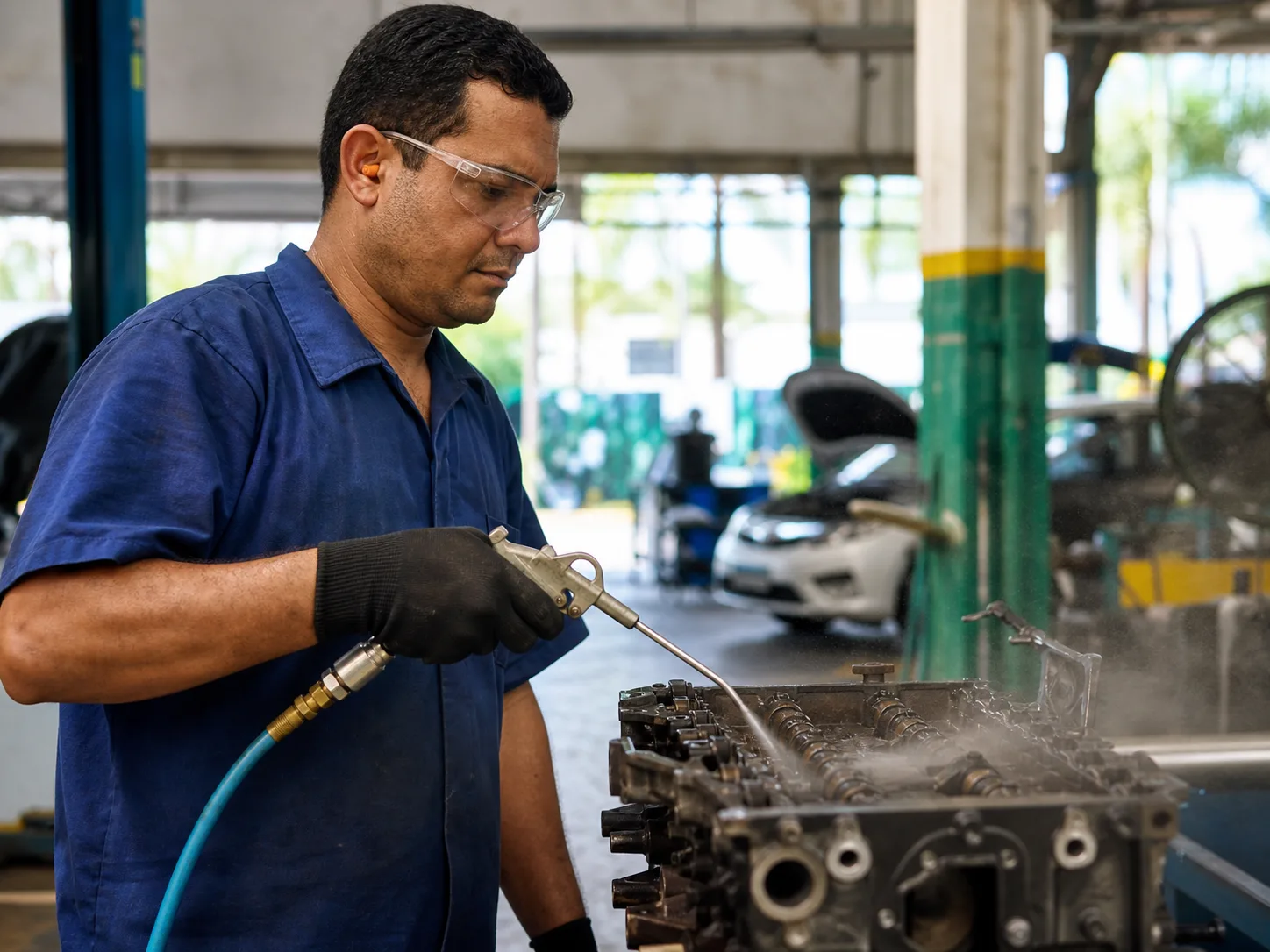
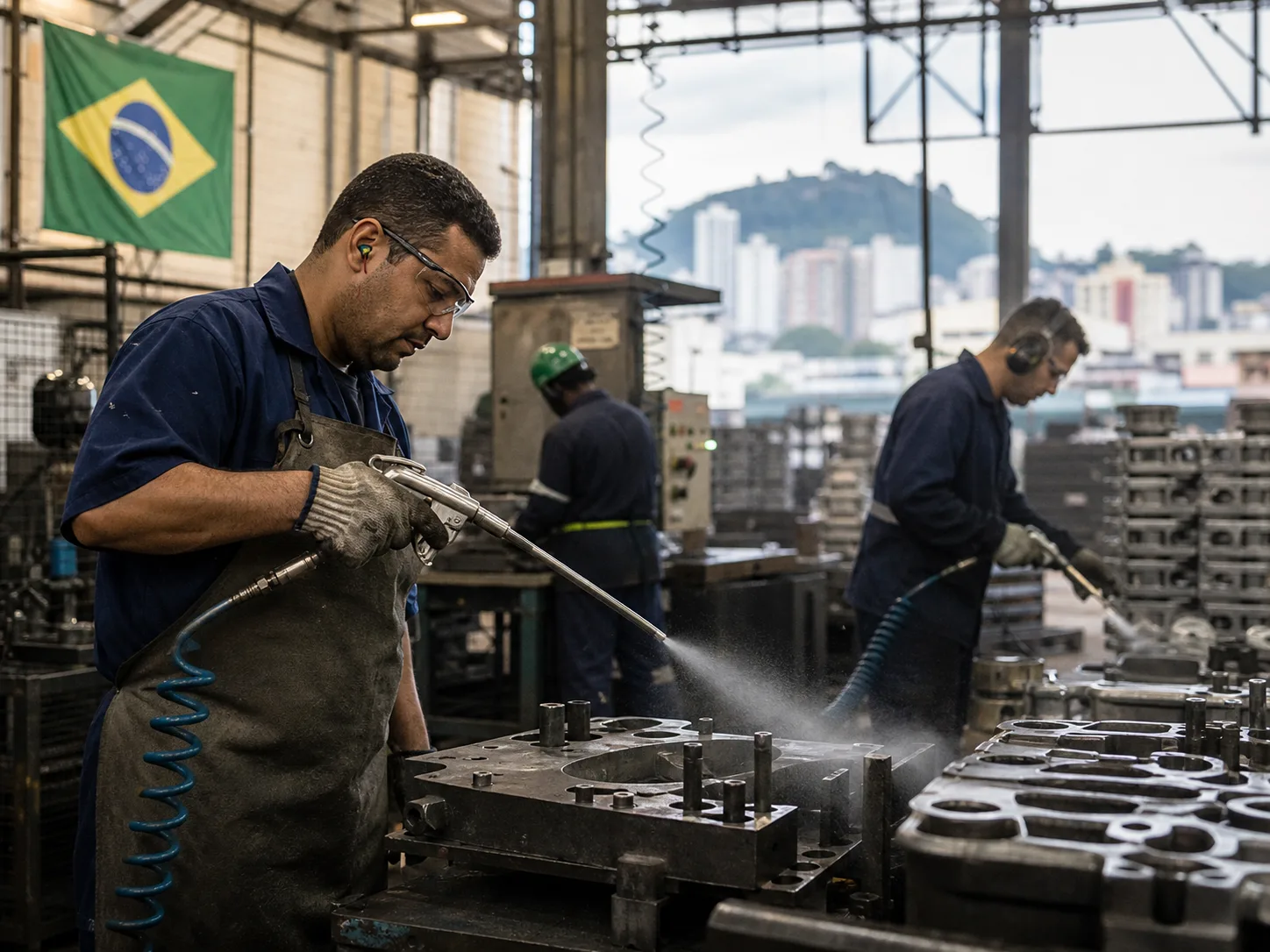
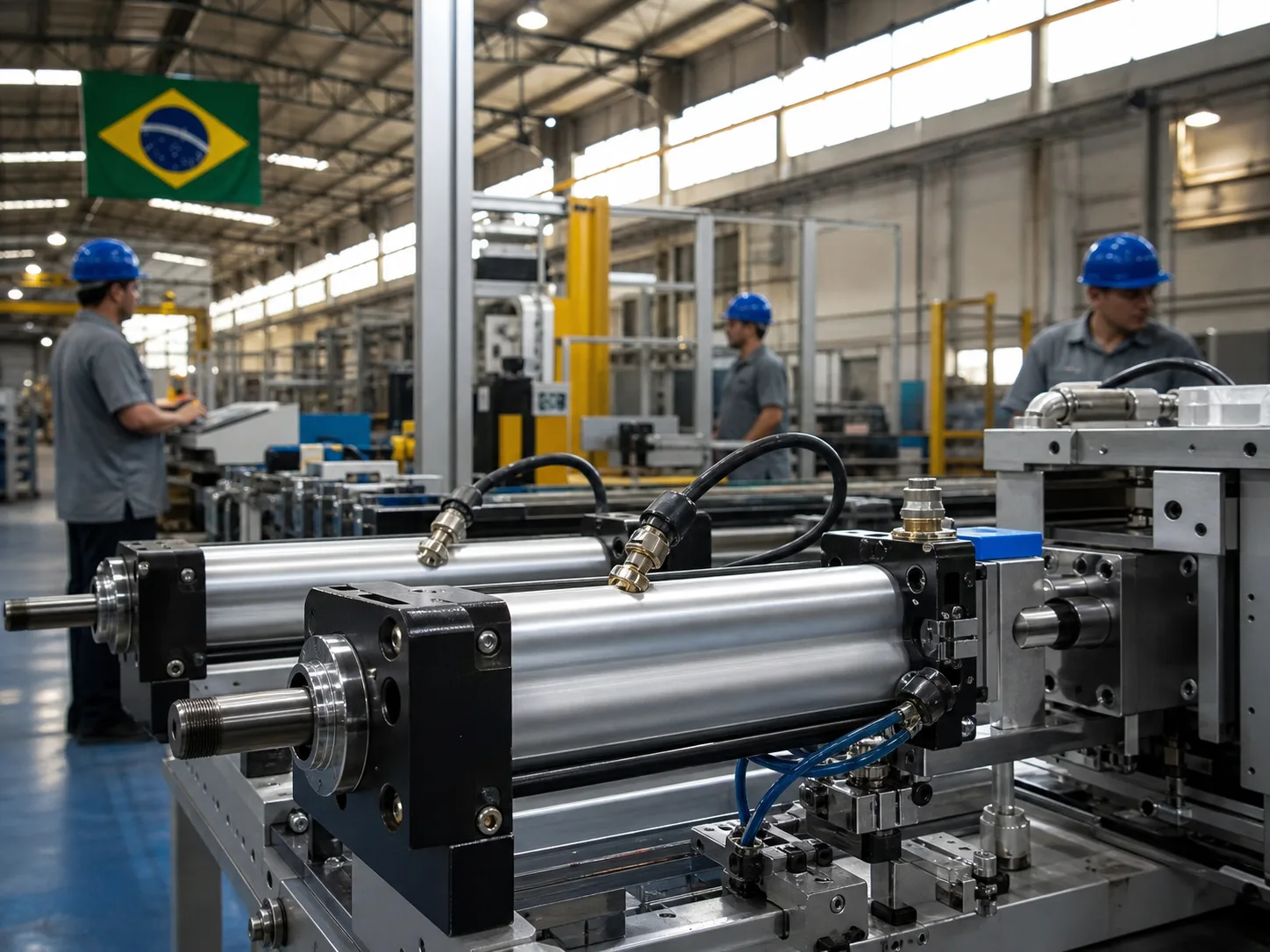
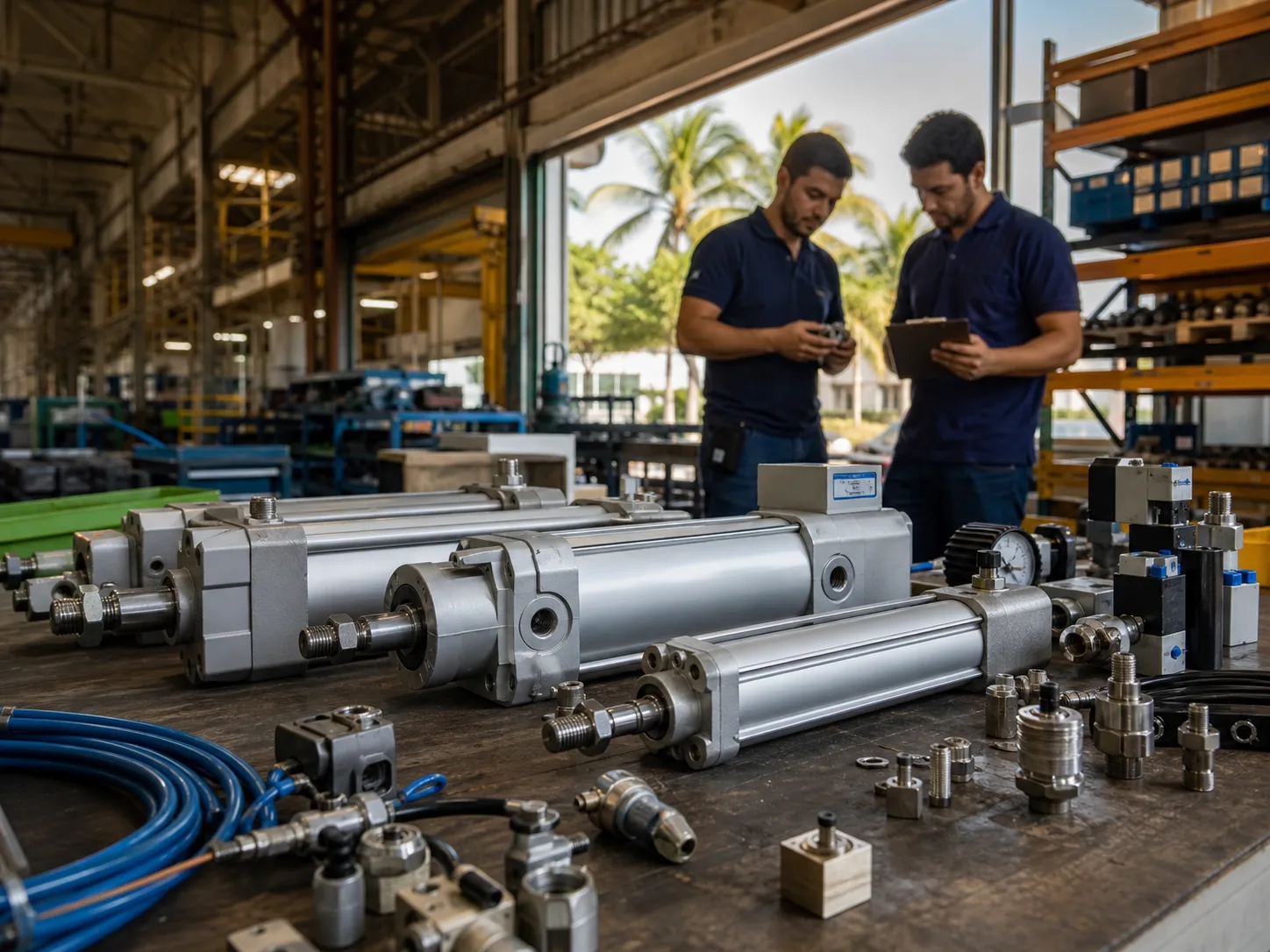
Brazil remains one of Latin America’s most important industrial markets, and pneumatic cylinders continue to play a practical role in factory automation, packaging equipment, food processing, automotive parts, and general machinery. For buyers and distributors, the 2026 market outlook is not only about growth. It is about matching the right actuator type to local production needs, maintenance habits, and supply chain expectations. According to IBGE’s Monthly Survey of Industry, Brazil tracks physical industrial production across key sectors, giving buyers a useful signal for equipment demand. A separate IBGE regional industry release also reported that several surveyed locations contributed to industrial expansion in April 2026. When industrial activity improves, demand usually follows for motion components, spare parts, and compressed air system upgrades. Why Pneumatic Cylinders Still Matter in Brazil Pneumatic cylinders are widely used because they are simple, cost-effective, and easy to maintain. In Brazilian factories, they support pushing, lifting, clamping, positioning, feeding, sorting, and transfer operations. Even when control systems become more digital, many machines still depend on pneumatic actuators for physical movement. The Pneumatic Cylinder category includes standard cylinders,…

Views: 27     2026-06-30
Brazil Packaging Automation Cylinder Demand 2026

Brazil Packaging Automation Cylinder Demand 2026

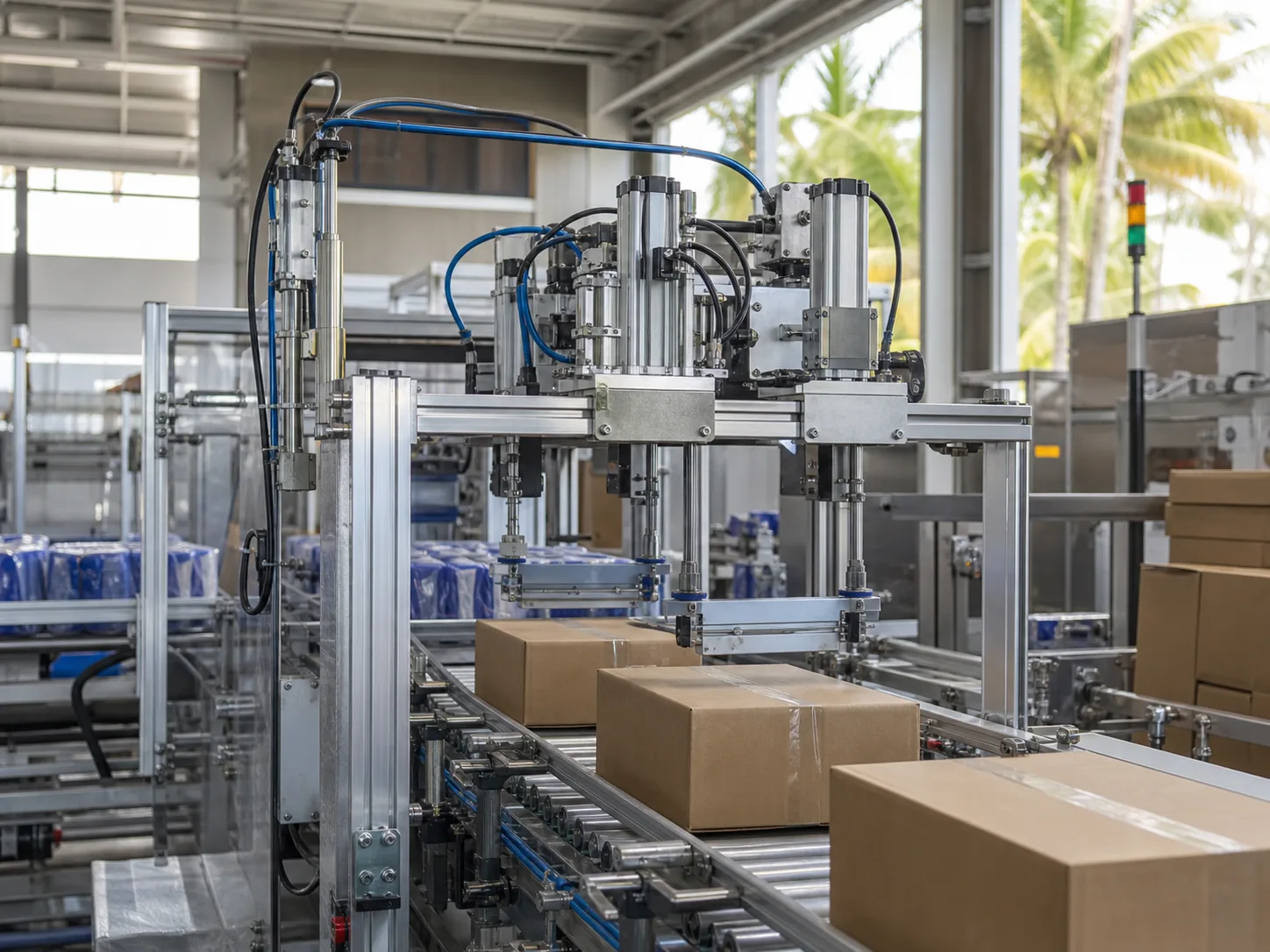
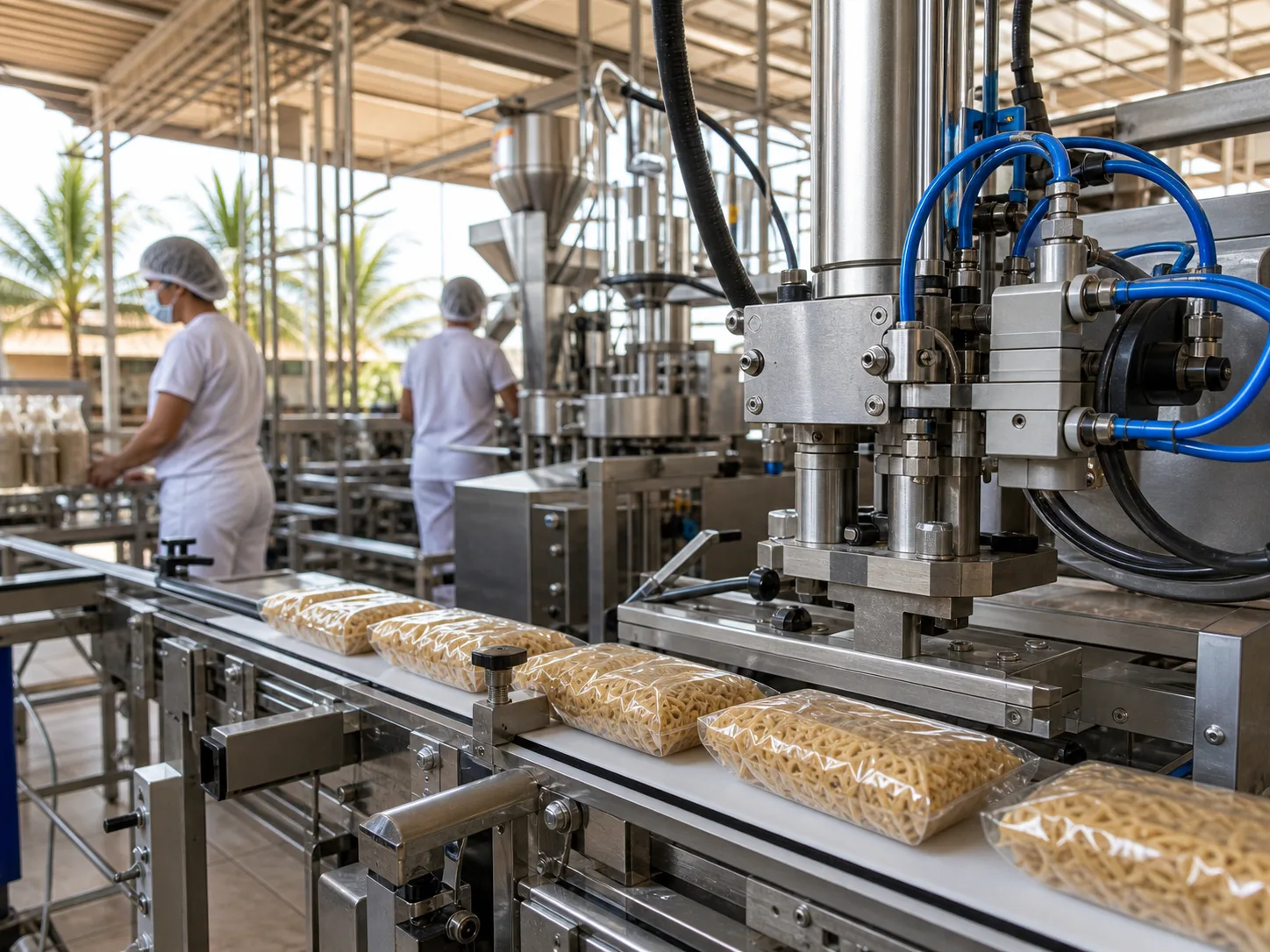
Packaging automation is one of the clearest application areas for pneumatic cylinders in Brazil. Filling, sealing, labeling, carton handling, sorting, clamping, pushing, and reject stations all need reliable linear motion. For machine builders and maintenance teams, the cylinder choice affects cycle stability, installation space, and downtime. The PMMI 2025 Brazil Packaging Machinery Market report highlights modernization, automation, and digital integration in Brazil’s packaging equipment sector. These trends create practical demand for compact cylinders, standard actuators, guided cylinders, and related compressed air components. Why Packaging Lines Consume Pneumatic Cylinders Packaging machines often have many repeated motion points. A cylinder may push a product into position, hold a bag during sealing, lift a guide rail, operate a diverter, or move a small fixture. Because each station needs repeatable movement, actuator reliability becomes a daily production concern. Compact cylinders are especially useful in packaging machinery because space is limited around conveyors, guards, sensors, and control cabinets. Products such as the SDA Compact Pneumatic Cylinder, CQSB Compact Pneumatic Cylinder, and MUB Compact Plate Pneumatic Cylinder fit this type of installation need. Packaging Function Relevant…

Views: 23     2026-06-30
Brazil OEM Pneumatic Cylinder Buying Guide 2026

Brazil OEM Pneumatic Cylinder Buying Guide 2026

OEM machinery builders in Brazil need pneumatic cylinders that match machine performance, installation space, maintenance expectations, and repeat supply requirements. A cylinder is not only a moving part. It affects cycle time, positioning stability, machine layout, and the long-term service experience for the end user. For 2026, the purchasing logic is shaped by Brazil’s continuing focus on industrial modernization. The International Trade Administration’s Brazil Advanced Manufacturing guide points to opportunities in advanced manufacturing, while IBGE industrial data provides ongoing signals about factory activity. Together, these sources support a practical outlook for motion components used in OEM machinery. Start with the Machine Function Brazilian OEM buyers should first define what the cylinder must do. A simple push action may only require a standard cylinder. A compact machine frame may need a short-body compact cylinder. A pick-and-place station may need a guided cylinder or slide table cylinder. A long transfer axis may be better served by a rodless cylinder. Machine Requirement Recommended Cylinder Direction General pushing and lifting SC, SU, SI, DNC, or ISO standard cylinders Limited installation space SDA, CQ2B, CQSB,…

Views: 22     2026-06-30
Brazil Pneumatic Fittings Demand: Factory Automation Creates More Air Line Connection Needs

Brazil Pneumatic Fittings Demand: Factory Automation Creates More Air Line Connection Needs

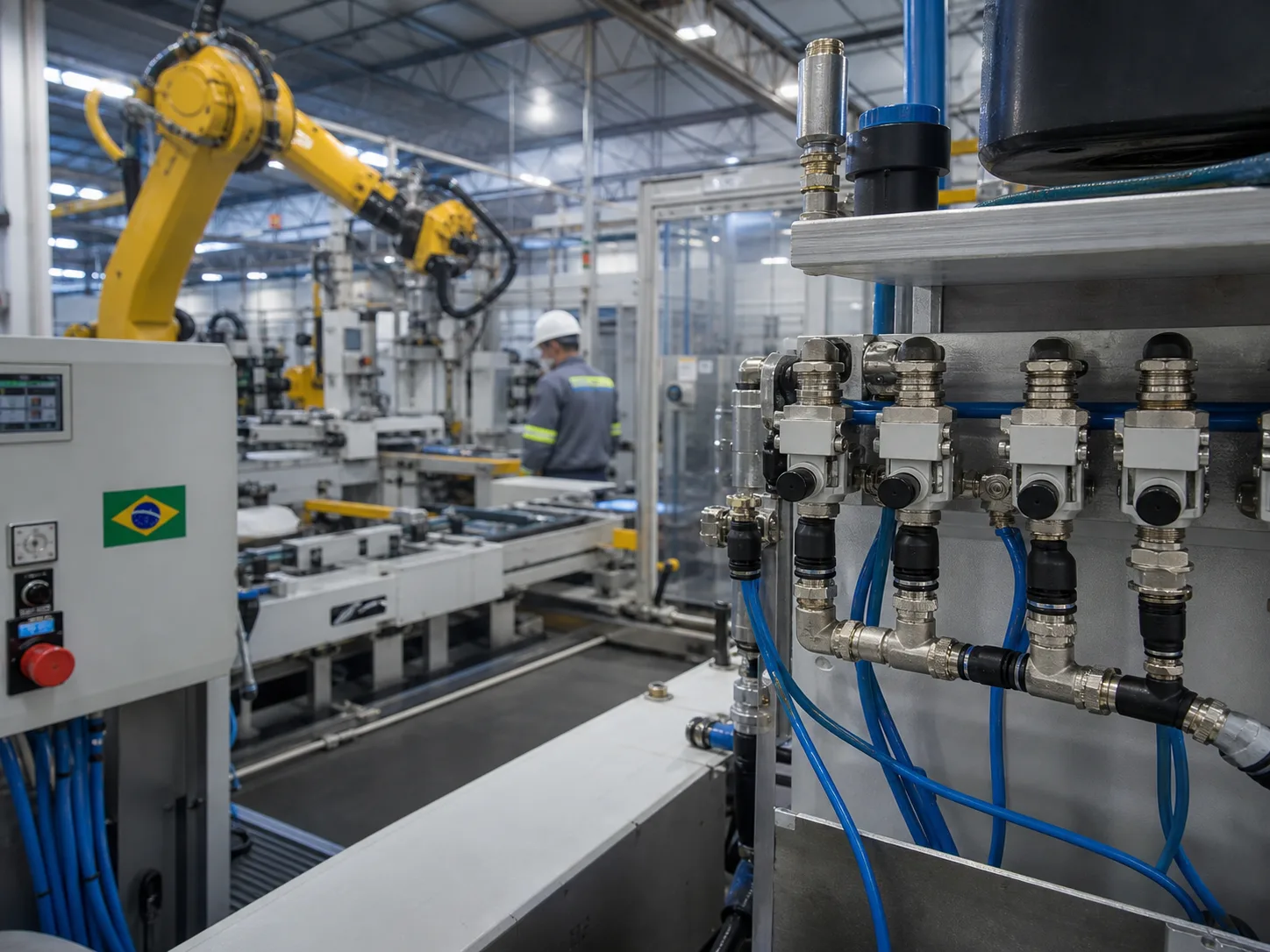
Brazil is a large manufacturing market, and demand for pneumatic fittings is closely linked to how factories upgrade compressed air systems, automated workstations, and OEM machinery. For suppliers of push-to-connect fittings, elbow fittings, tee fittings, reducers, bulkhead unions, air shut-off valves, and speed control valves, Brazil is not only a broad market. It is also a market where reliability and supply consistency matter. Recent industrial data supports this direction. IBGE’s Monthly Survey of Industry showed Brazilian industrial production advancing in early 2026, while a regional IBGE release reported that ten of the surveyed industrial locations helped drive April’s increase. For pneumatic component buyers, this means more factories are maintaining, replacing, and upgrading the small connection parts that keep compressed air lines working. Why Pneumatic Fittings Matter in Brazil’s Factory Upgrades Compressed air is widely used in Brazilian manufacturing because pneumatic systems are simple, durable, and easy to maintain. Pneumatic fittings connect the tubing between cylinders, solenoid valves, air preparation units, manifolds, fixtures, and machine frames. When a factory adds more automation points, it usually needs more air tubing connections. The…

Views: 59     2026-06-29
Brazil Packaging and Food Processing Demand: Where Pneumatic Fittings Fit in Production Lines

Brazil Packaging and Food Processing Demand: Where Pneumatic Fittings Fit in Production Lines

Packaging and food processing are two important application areas for pneumatic fittings in Brazil. These industries use compressed air for filling, sealing, labeling, cutting, sorting, conveying, clamping, and material handling. Each pneumatic cylinder, valve station, gripper, or blow-off point requires dependable air tubing connections. The 2025 Brazil Packaging Machinery Market report from PMMI highlights Brazil’s packaging equipment landscape, including machinery upgrades, operational modernization, automation, digital integration, and sectors such as food, beverage, pharmaceuticals, agribusiness, and pet care. These are exactly the types of production environments where pneumatic fittings are consumed continuously. Why Packaging Lines Use Many Pneumatic Fittings Packaging equipment often combines compact machine frames with many moving parts. Cylinders push products into position, grippers hold packages, air nozzles remove dust or separate items, and valves control each motion. Push-to-connect fittings make installation faster and help maintenance teams replace tubing without disassembling large sections of the machine. In these machines, PL elbow fittings help turn tubing in tight areas, PC straight fittings connect valves and cylinders, PE tee fittings split air lines, and PG reducers help match different tube sizes….

Views: 27     2026-06-29
How Brazilian Buyers Can Choose Pneumatic Fittings for OEM Machinery and Maintenance

How Brazilian Buyers Can Choose Pneumatic Fittings for OEM Machinery and Maintenance

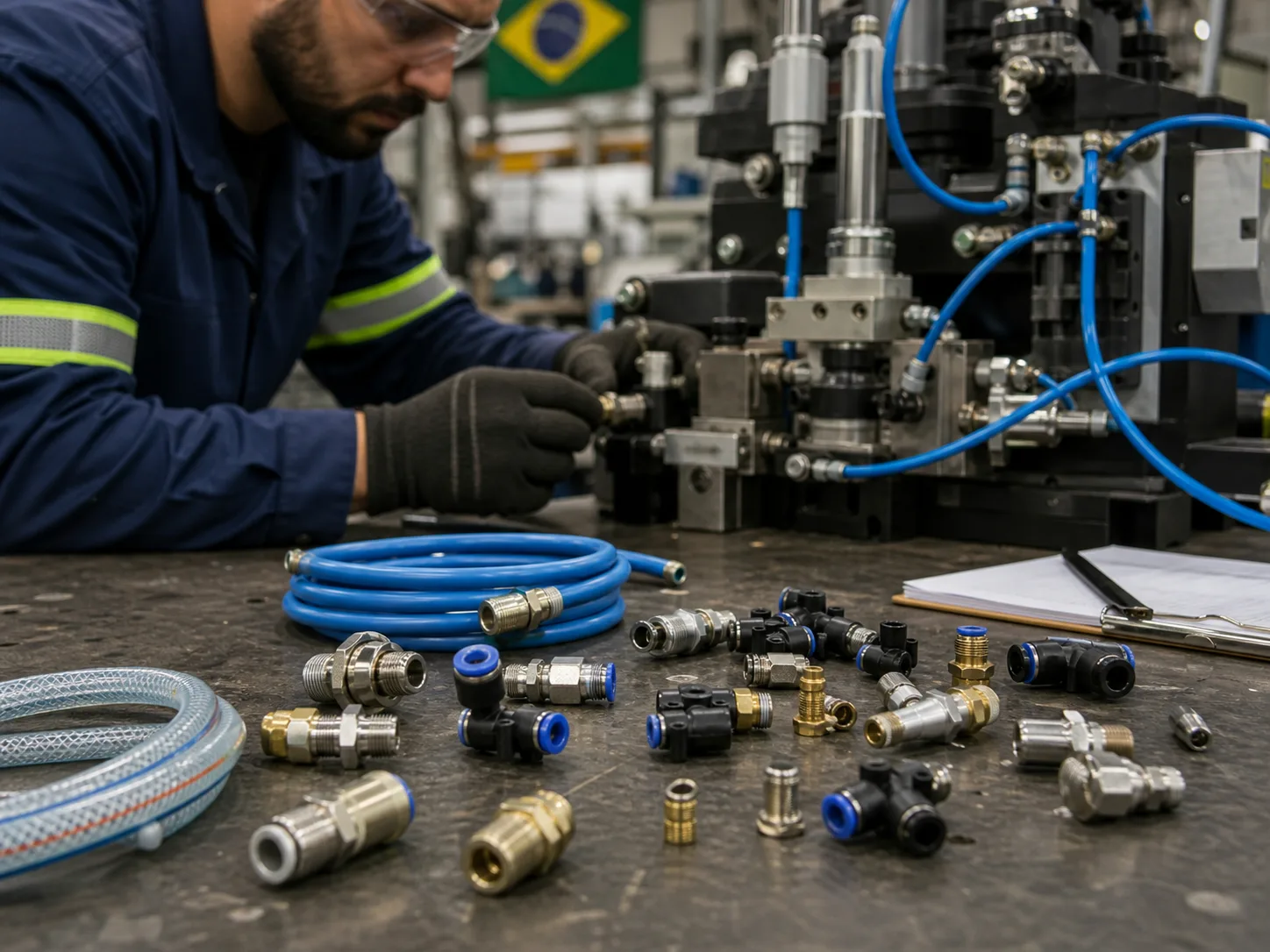
Brazilian buyers who source pneumatic fittings for OEM machinery or factory maintenance need to balance price, availability, quality, and technical fit. A fitting is a small part, but it can affect air leakage, actuator speed, tube routing, and maintenance time. For factories that run long shifts, a weak connector can become a production problem. Brazil’s industrial base includes machinery, automotive parts, packaging, food processing, plastics, textiles, mining support, and general manufacturing. IBGE regional industry data shows that industrial performance varies by location and sector, which means distributors and maintenance teams need a flexible product mix rather than a single fitting model. Start with Tube Size The first step is to confirm the tube outer diameter. Common pneumatic tube sizes include 4mm, 6mm, 8mm, 10mm, and 12mm, although actual demand depends on the machine design. If the tube size does not match the fitting, the connection may leak or fail to hold securely. For standard air line connections, PC straight push-in fittings are widely used. For tight spaces around cylinders and valves, PL elbow fittings allow cleaner tube direction. For branch…

Views: 30     2026-06-29