How Turkish Buyers Can Choose Pneumatic Fittings for Reliable Compressed Air Systems

How Turkish Buyers Can Choose Pneumatic Fittings for Reliable Compressed Air Systems

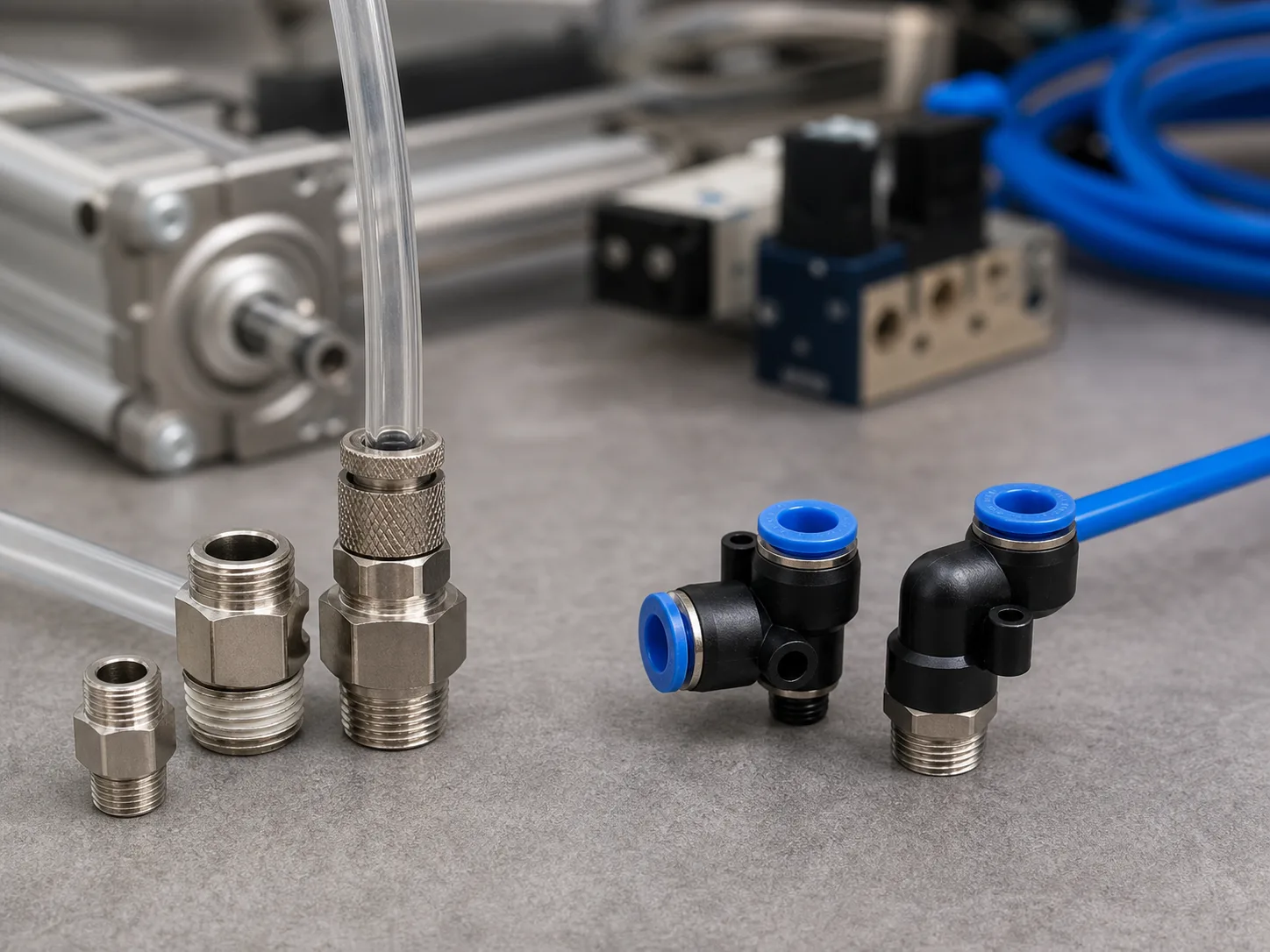
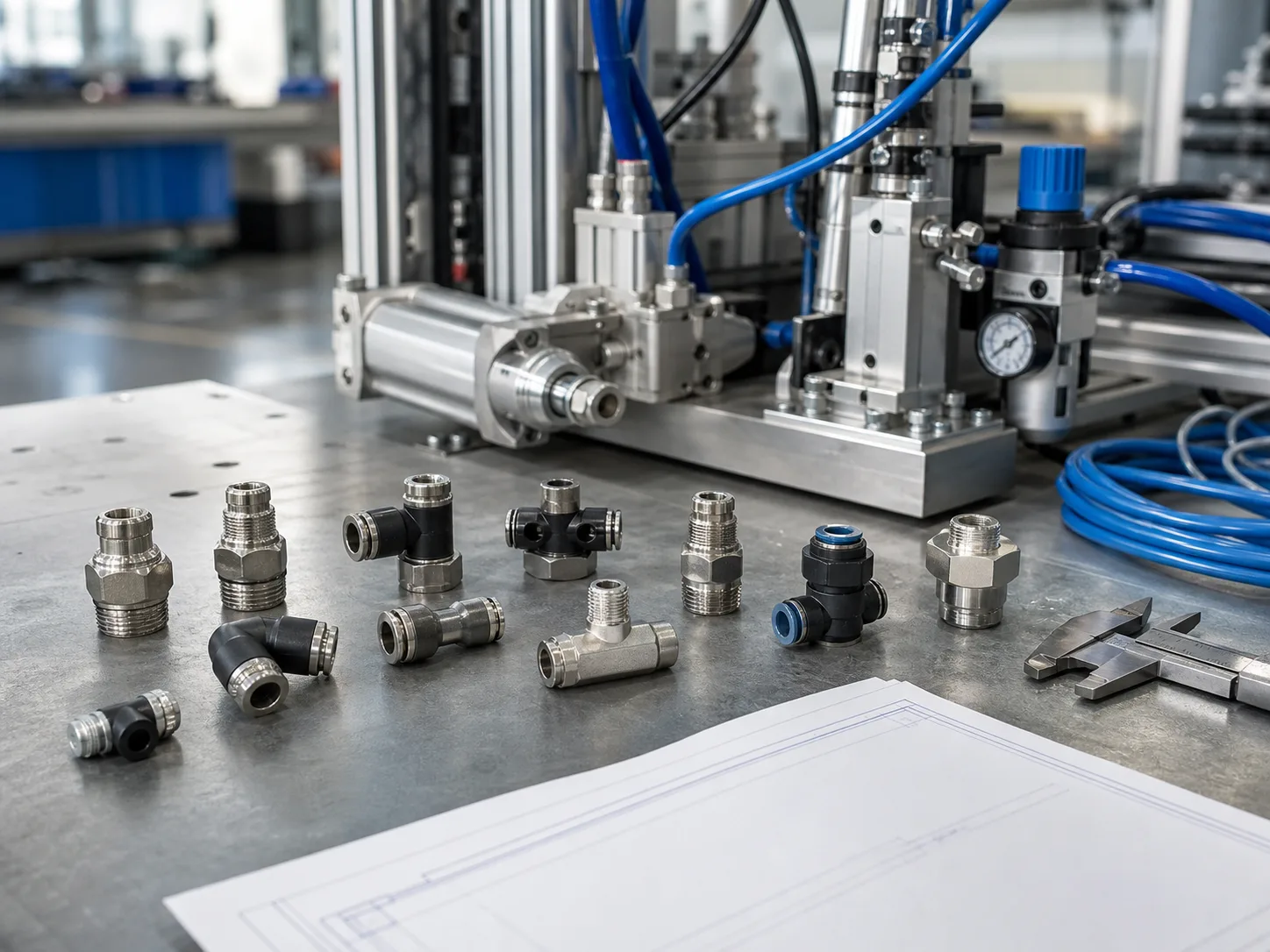
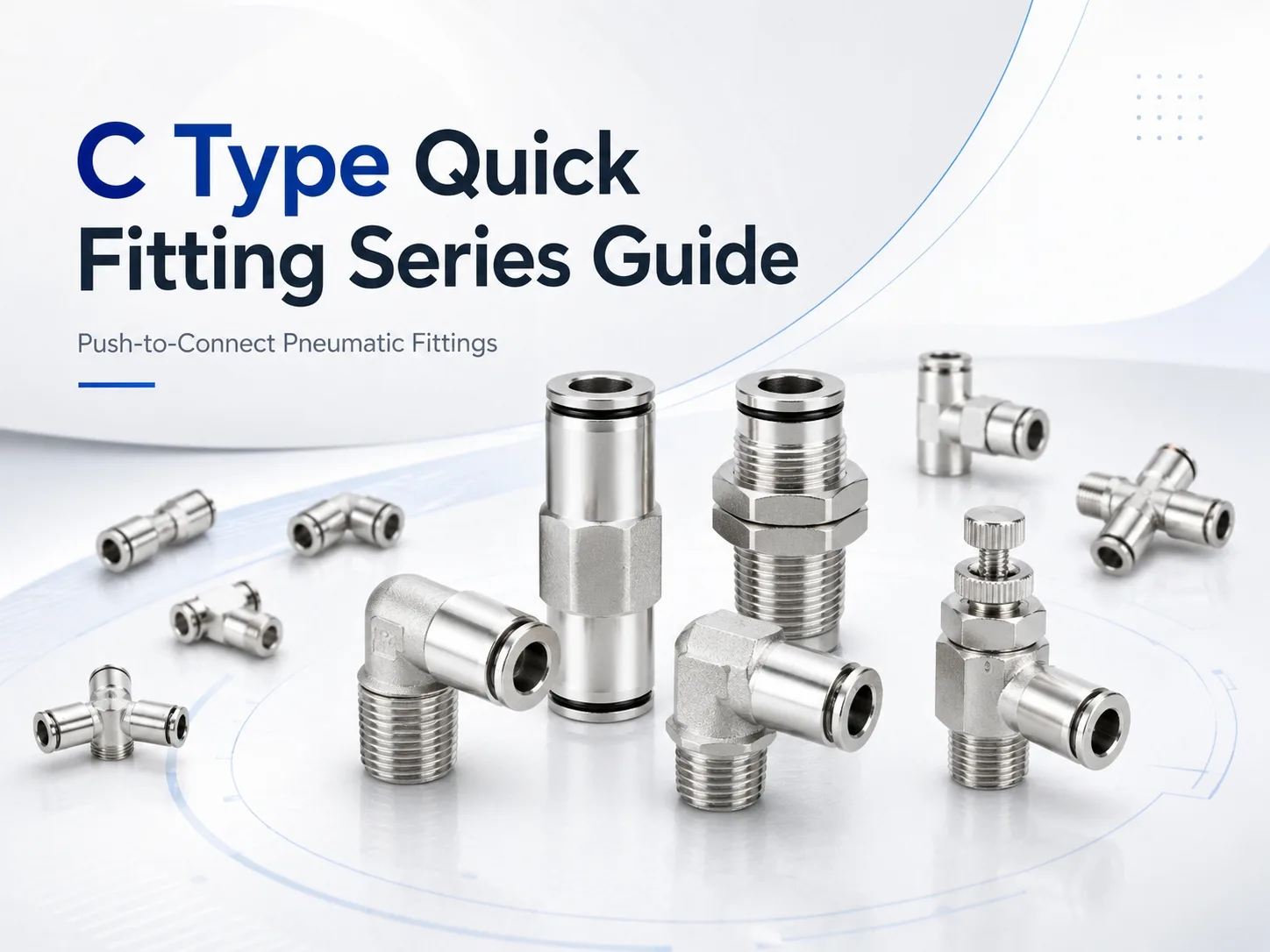
Choosing pneumatic fittings for the Turkish market is not only a question of matching price and size. The fitting must work reliably with the air tube, thread port, working pressure, machine layout, and maintenance environment. A small mismatch can lead to air leakage, slow actuator response, or frequent replacement. For distributors, OEM machinery builders, and factory maintenance teams, a practical selection process can reduce purchasing mistakes and improve compressed air system reliability. Start with Tube Size and Thread Type The first step is to confirm the tube outer diameter and thread standard. Common pneumatic tube sizes may include 4mm, 6mm, 8mm, 10mm, and 12mm, while thread requirements may vary by machine origin. Some factories use equipment from Europe, Asia, and local Turkish machine builders at the same time. This mixed environment makes it important to confirm BSPT, BSPP, NPT, or metric thread needs before ordering. Selection Point Why It Matters Tube outer diameter Ensures correct tube locking and sealing Thread standard Prevents mismatch with valves, cylinders, and manifolds Fitting shape Helps match machine space and tube routing Working pressure Supports…

Views: 42     2026-06-28
Why Quick Locking Matters in Pneumatic Speed Control Valves

Why Quick Locking Matters in Pneumatic Speed Control Valves

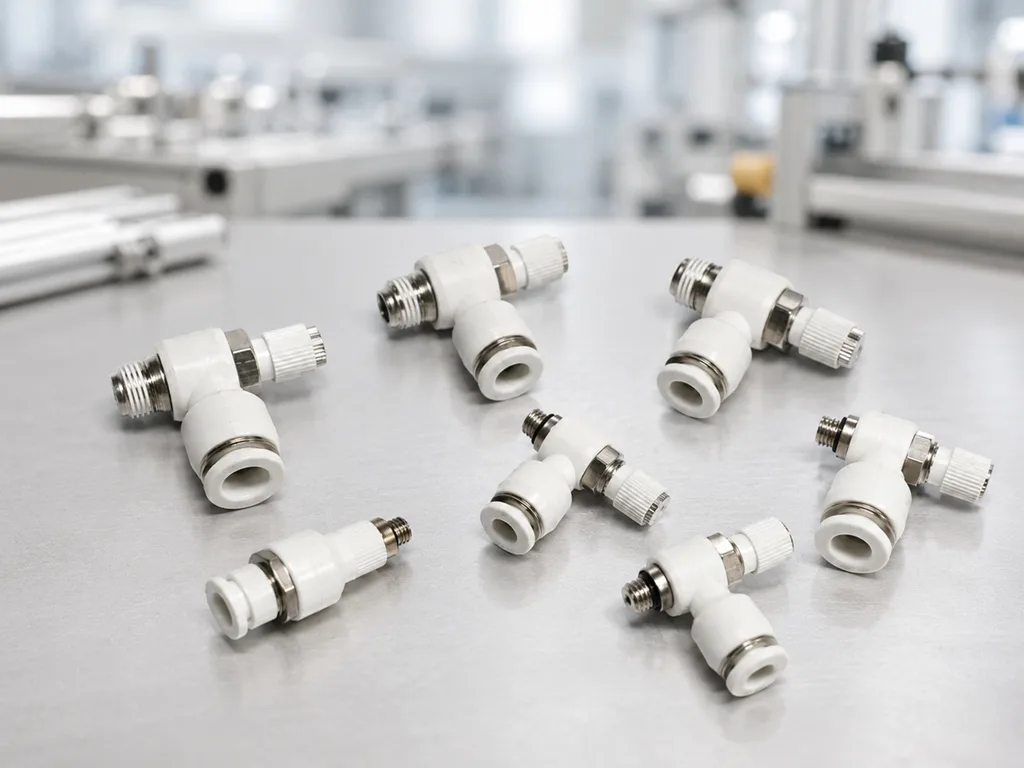
In pneumatic automation, speed control valves are small components, but they have a direct influence on machine movement. A cylinder may extend too fast, retract too slowly, or lose smooth motion if the airflow setting is not stable. That is why the locking structure of a speed control valve is more important than many users first realize. A standard pneumatic speed control valve usually works in a simple way. The operator adjusts the airflow by rotating the control knob. After the required speed is reached, the setting needs to stay fixed during machine operation. If the valve position changes after adjustment, the airflow also changes. As a result, the cylinder speed may become unstable. The HOMIPNEU SL Pneumatic Elbow Speed Control Valve with New Quick Automatic Locking Structure is developed to solve this practical problem. Its upgraded quick-locking mechanism helps secure the adjusted flow position more firmly after setup, especially in machines that run continuously or experience vibration. The Real Problem: Speed Changes After Adjustment Many pneumatic speed control problems do not appear immediately after installation. At first, the cylinder…

Views: 65     2026-06-28
New Product Release: SL Pneumatic Elbow Speed Control Valve with New Quick Automatic Locking Structure

New Product Release: SL Pneumatic Elbow Speed Control Valve with New Quick Automatic Locking Structure

In pneumatic automation systems, throttle valves and speed control valves are small components, but they play an important role in machine stability. Pneumatic cylinders, grippers, slides, lifting units, pushing mechanisms, and many other pneumatic actuators rely on speed control valves to regulate airflow and control movement speed. For many automation applications, speed control is not only about adjusting airflow. It is also about keeping the adjusted setting stable during long-term operation. To support more stable pneumatic speed control, HOMIPNEU is introducing the SL Pneumatic Elbow Speed Control Valve with new quick automatic locking structure. This new design is developed to help reduce the loosening problems commonly seen in traditional locking structures and provide more reliable speed control for pneumatic systems. Why Speed Control Stability Matters From the basic structure and operation, a pneumatic speed control valve is not complicated. In most applications, the operator manually adjusts the airflow by turning the control knob. By increasing or reducing the airflow, the valve controls the movement speed of the pneumatic cylinder or actuator. After the desired speed is set, the adjusted position…

Views: 229     2026-06-27
A Practical Discussion About Stability in Pneumatic Speed Control Valves

A Practical Discussion About Stability in Pneumatic Speed Control Valves

In pneumatic automation systems, throttle valves and speed control valves are common but important components. They are widely used with pneumatic cylinders, grippers, slides, lifting units, pushing mechanisms, and many other pneumatic actuators. Their main function is to regulate airflow and control the operating speed of pneumatic motion. From the basic structure and operation, a pneumatic speed control valve is not complicated. In most applications, the operator adjusts airflow by turning the control knob. Increasing or reducing airflow changes the movement speed of the pneumatic cylinder or actuator. After the desired speed is set, the position must be locked to keep the flow setting stable. The process sounds simple: adjust the speed, lock the setting, and let the machine run. In real factory conditions, however, many problems do not appear during the first adjustment. They often appear only after the machine has been running for some time. Why Stability Matters After Adjustment In continuous automation systems, pneumatic cylinders move repeatedly, machines generate vibration, and air pressure may fluctuate during operation. Under these conditions, a traditional locking structure may gradually become…

Views: 107     2026-06-27
Air Hose Troubleshooting: Leaks, Pressure Loss, and Slow Response

Air Hose Troubleshooting: Leaks, Pressure Loss, and Slow Response

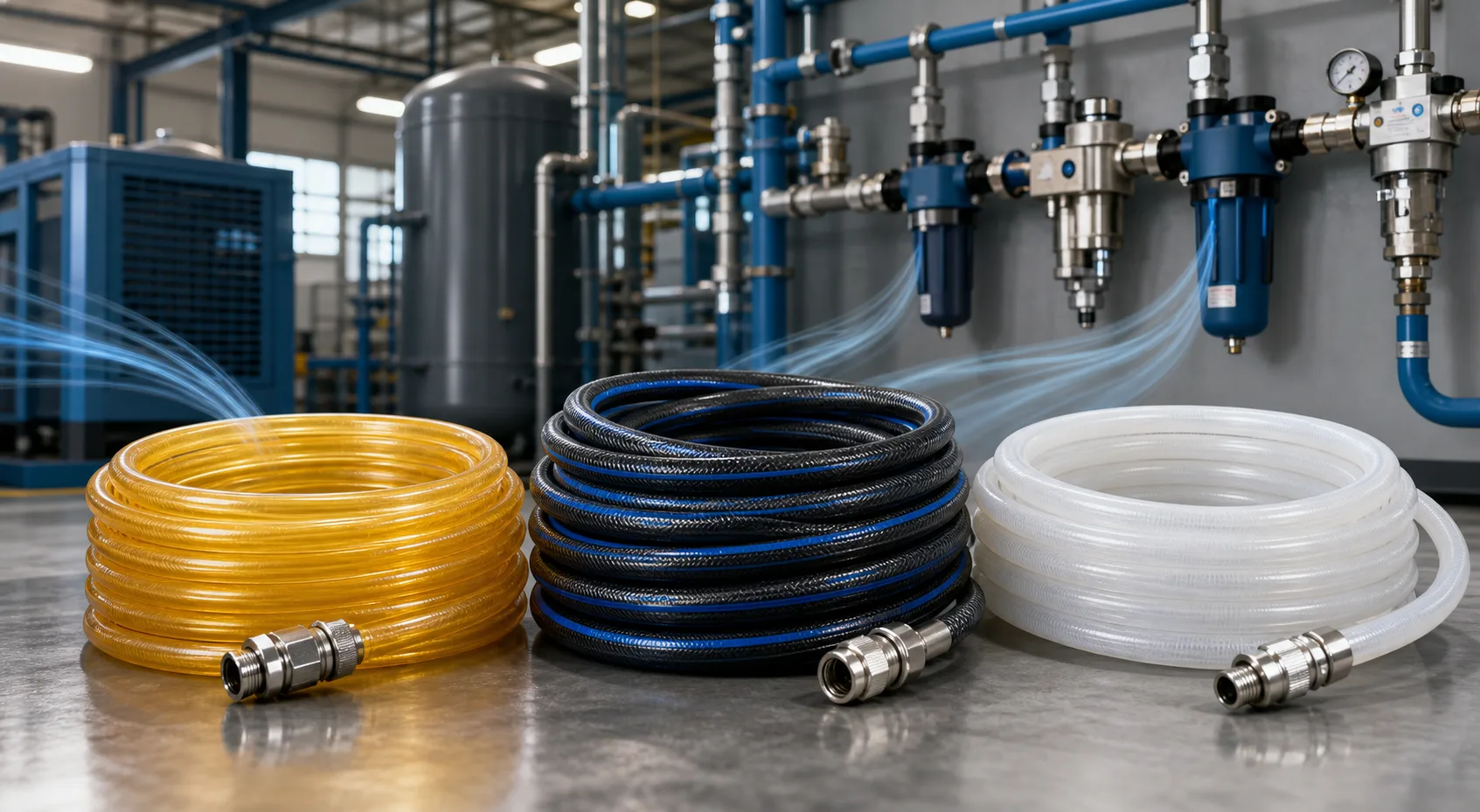
Troubleshoot common air hose problems such as leaks, pressure loss, and slow response. Learn how hose condition, fittings, and routing affect pneumatic performance.

Views: 108     2026-06-24
Double Layer Anti-Spark Air Hose for Harsh Industrial Areas

Double Layer Anti-Spark Air Hose for Harsh Industrial Areas

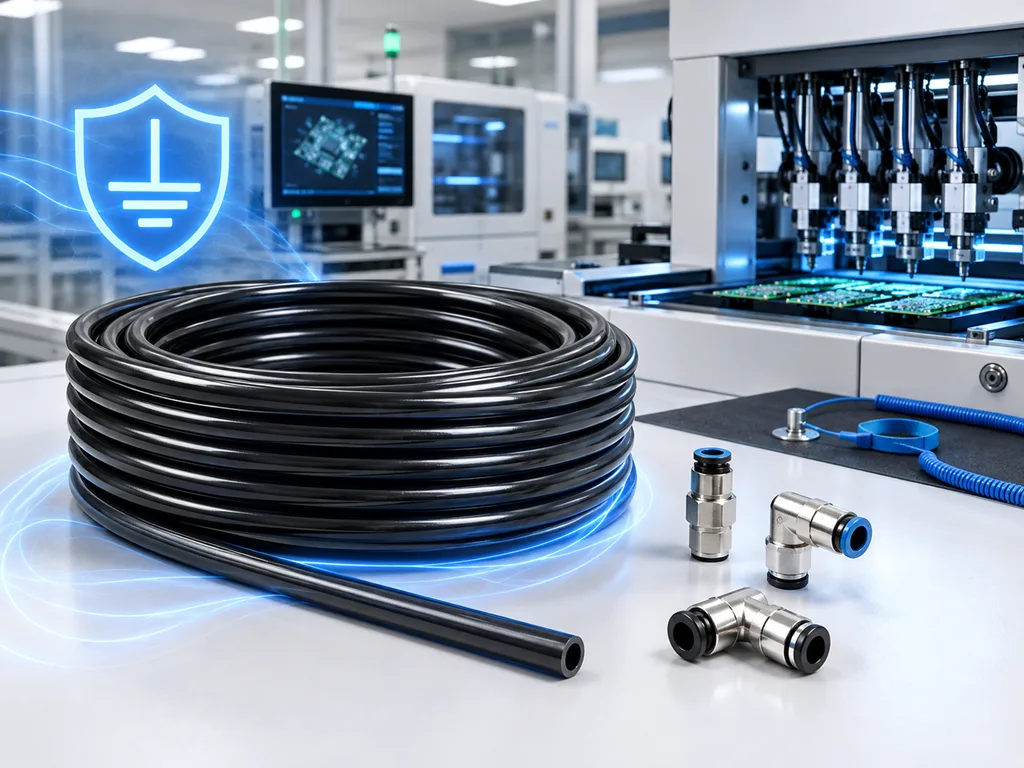
Double layer anti-spark air hose is designed for harsher industrial environments. Compare its structure, advantages, and selection points for welding and high-risk areas.

Views: 73     2026-06-24
Spiral PU Air Hose for Pneumatic Tools and Workstations

Spiral PU Air Hose for Pneumatic Tools and Workstations

Spiral PU air hose helps keep tool stations organized and flexible. Learn where it works best, how it compares with straight tubing, and what to check before buying.

Views: 75     2026-06-24
Air Hose Size Guide for 4mm, 6mm, 8mm, 10mm, and 12mm Tubing

Air Hose Size Guide for 4mm, 6mm, 8mm, 10mm, and 12mm Tubing

Learn how common air hose sizes such as 4mm, 6mm, 8mm, 10mm, and 12mm affect flow, pressure drop, routing, and machine performance in pneumatic systems.

Views: 58     2026-06-24
How to Choose PU, PA, and PE Air Hose for Factory Air Lines

How to Choose PU, PA, and PE Air Hose for Factory Air Lines

Compare PU, PA, and PE air hose types for factory air lines. Learn how flexibility, pressure rating, bend radius, and wear resistance affect pneumatic system design.

Views: 61     2026-06-24
Why Pneumatic Cylinders Lose Force or Move Slowly

Why Pneumatic Cylinders Lose Force or Move Slowly

Find out why pneumatic cylinders lose force or move slowly, including low pressure, leaks, worn seals, side load, poor air flow, dirty air, and wrong sizing.

Views: 98     2026-06-21
Pneumatic Rotary Actuators and Rotary Cylinders Explained

Pneumatic Rotary Actuators and Rotary Cylinders Explained

Understand pneumatic rotary actuators and rotary cylinders for indexing, turning, clamping, and angle motion, including torque, rotation angle, load, and selection tips.

Views: 86     2026-06-21
Pneumatic Grippers and Clamp Cylinders for Handling

Pneumatic Grippers and Clamp Cylinders for Handling

Learn how pneumatic grippers and clamp cylinders support pick-and-place, fixture clamping, robotic handling, and part positioning in automation equipment.

Views: 57     2026-06-21
Rodless Pneumatic Cylinders for Long-Stroke Motion

Rodless Pneumatic Cylinders for Long-Stroke Motion

Learn how rodless pneumatic cylinders support long-stroke automation, space-saving transfer, guided motion, and machine layouts where standard cylinders are too long.

Views: 72     2026-06-21
Guided Cylinders and Slide Table Cylinders for Precision

Guided Cylinders and Slide Table Cylinders for Precision

Learn when to use guided cylinders and slide table cylinders for precision automation, anti-rotation support, side-load control, and stable positioning.

Views: 56     2026-06-21
Standard Pneumatic Cylinders for Industrial Machinery

Standard Pneumatic Cylinders for Industrial Machinery

Compare standard pneumatic cylinders such as DNC, SC, SU, SI, and SE series for industrial machinery, covering mounting, bore size, stroke, force, and durability.

Views: 49     2026-06-21
Compact Pneumatic Cylinders for Tight Machine Spaces

Compact Pneumatic Cylinders for Tight Machine Spaces

Learn where compact pneumatic cylinders are used, how to select bore and stroke, and how SDA, CQ2B, CQSB, CDU, and MUB styles help save machine space.

Views: 59     2026-06-21
How to Choose Pneumatic Cylinders for Automation

How to Choose Pneumatic Cylinders for Automation

Learn how to choose pneumatic cylinders for automation by checking load, stroke, bore size, mounting, speed, guiding, air quality, and maintenance needs.

Views: 71     2026-06-21
Solenoid Valves for Packaging Machinery Air Control

Solenoid Valves for Packaging Machinery Air Control

See how solenoid valves are used in packaging machinery for cylinder control, reject systems, sealing stations, air blow-off, and reliable pneumatic automation.

Views: 99     2026-06-20
Water, Steam and Air Solenoid Valves: Key Differences

Water, Steam and Air Solenoid Valves: Key Differences

Compare water, steam and air solenoid valves by media, temperature, pressure, body material, seal material, and common selection mistakes in industrial systems.

Views: 82     2026-06-20
Why Solenoid Valves Fail in Pneumatic Systems

Why Solenoid Valves Fail in Pneumatic Systems

Find out why solenoid valves fail in pneumatic systems, including dirty air, wrong voltage, low pressure, coil heat, blocked exhaust, leakage, and poor installation.

Views: 73     2026-06-20