PU, PA, and PE Pneumatic Tubing: What Is the Difference?
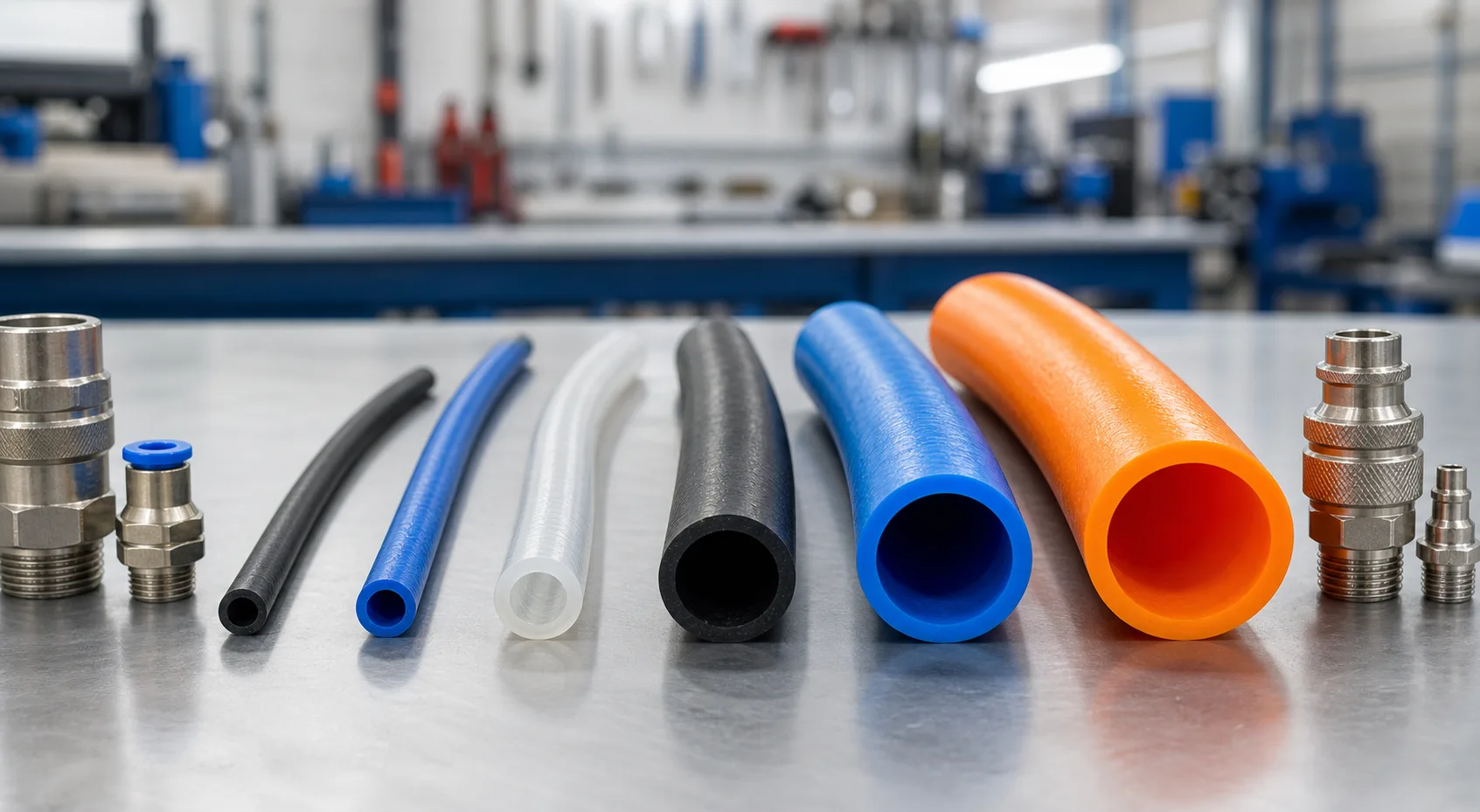
Compare PU, PA nylon and PE pneumatic tubing by flexibility, strength, pressure resistance, environment, installation and typical industrial applications.
PU PC Pneumatic Fittings Air Tube Connector Guide
2026-05-05
PE PY PZA Pneumatic Fitting Tee Cross Connector Guide
2026-05-05
2 Way 3 Port vs 5 Port Solenoid Valve Guide
2026-05-05
New Product Release: SL Pneumatic Elbow Speed Control Valve with New Quick Automatic Locking Structure
2026-06-27
Wenzhou Hongmi Pneumatic Co., Ltd. Participated in WIN EURASIA 2026 in Türkiye
2026-06-20
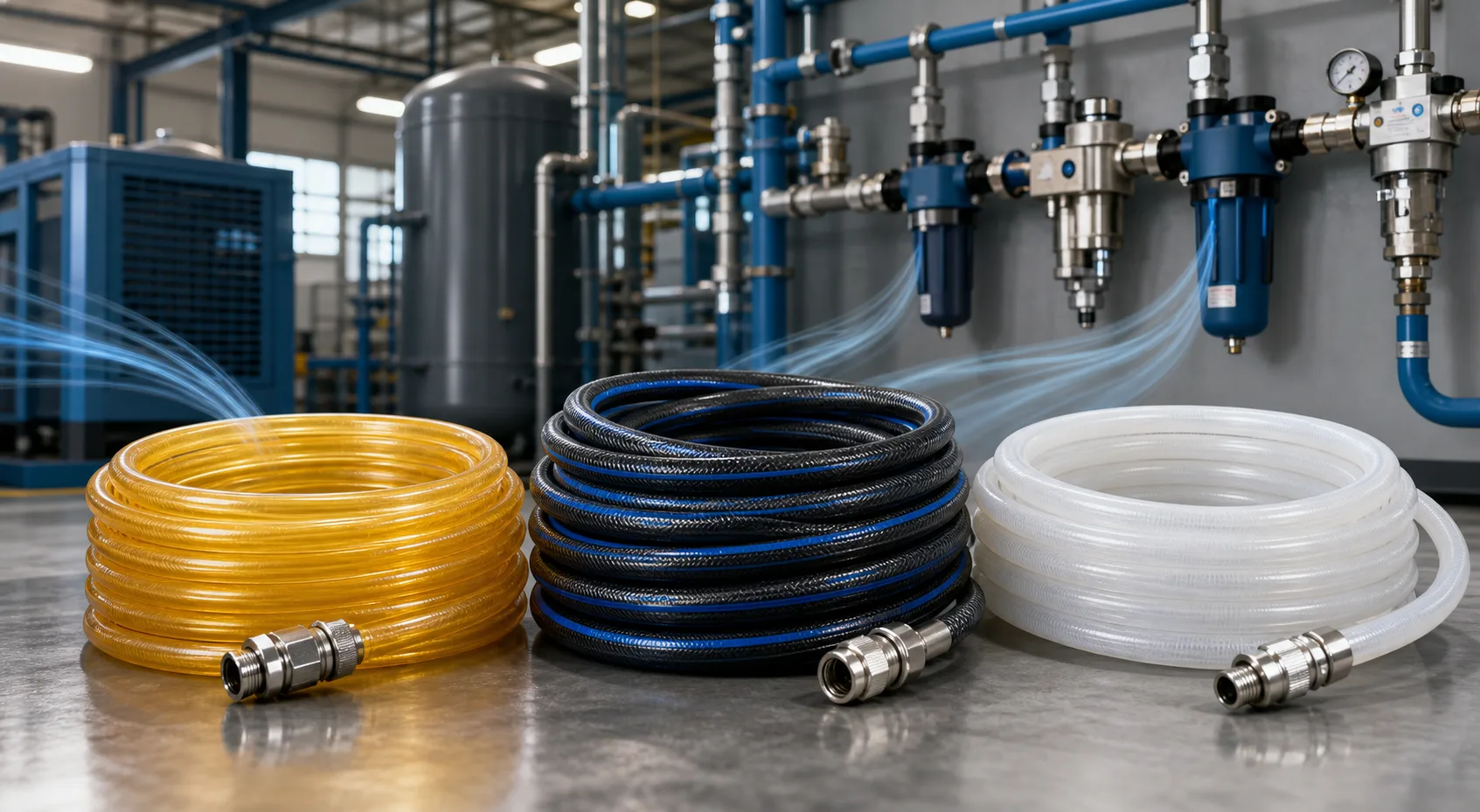
Compare PU, PA nylon and PE pneumatic tubing by flexibility, strength, pressure resistance, environment, installation and typical industrial applications.
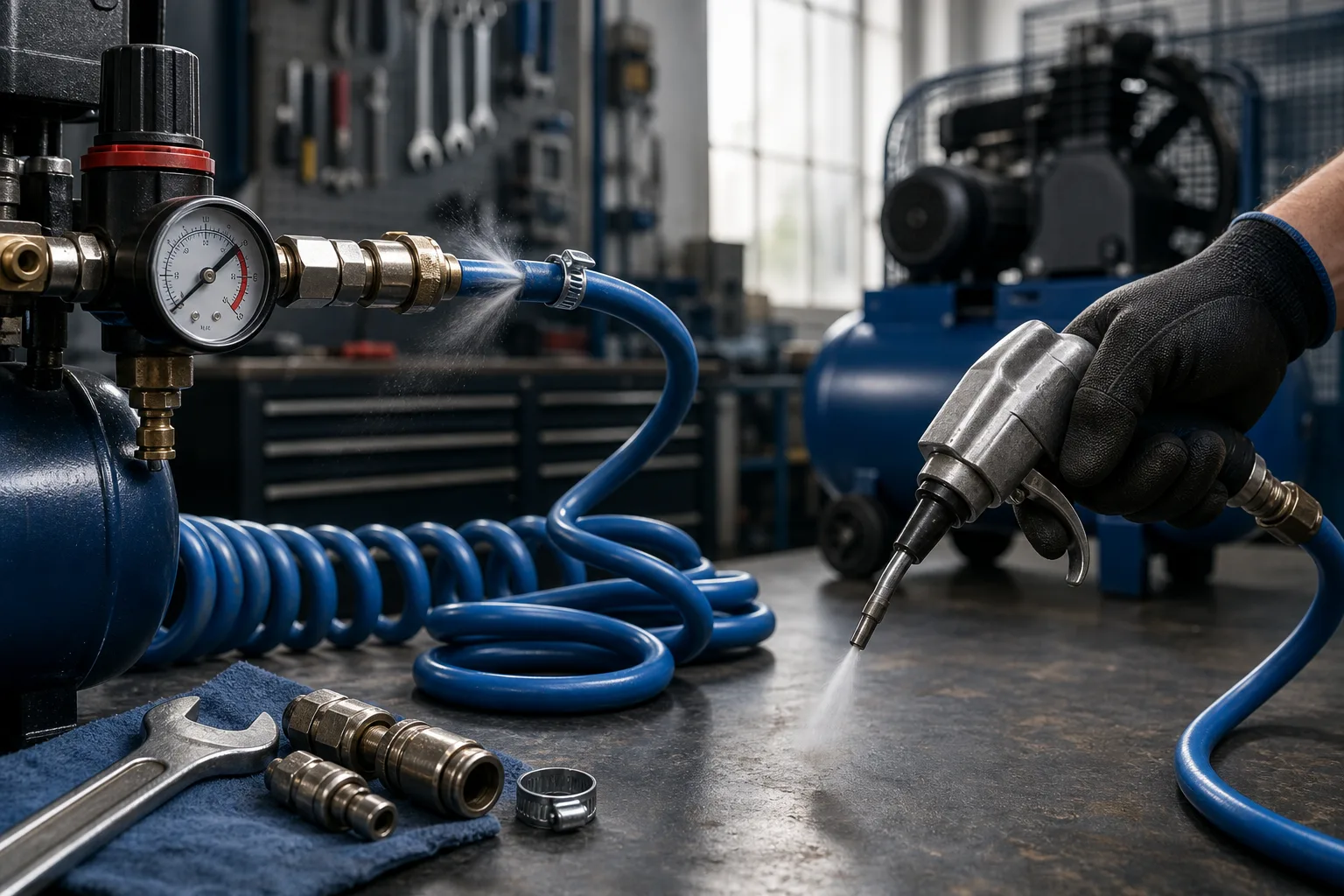
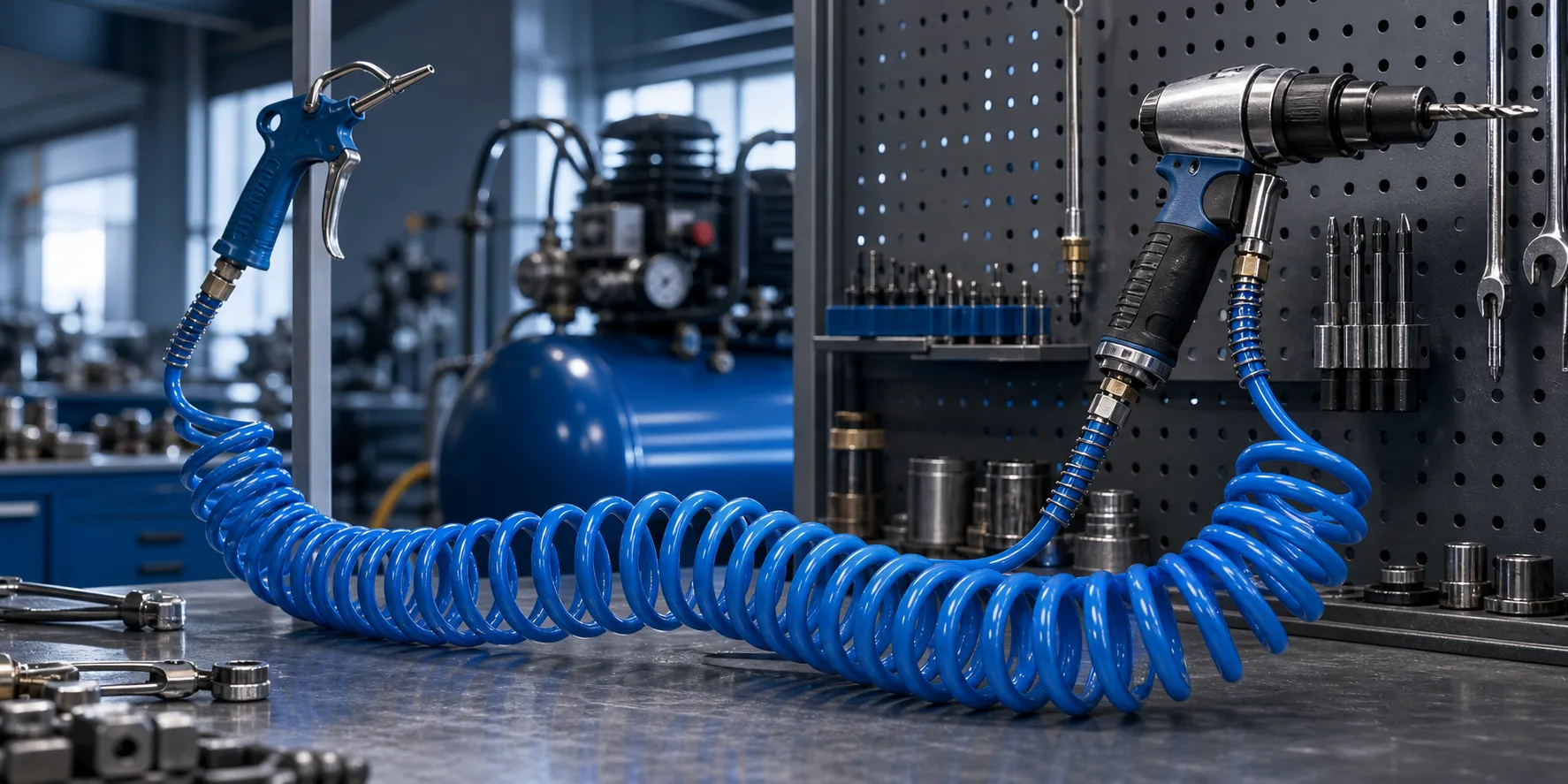
A practical guide to spiral polyurethane air hose for pneumatic tools and workstations, including sizing, working length, fittings, applications and maintenance.
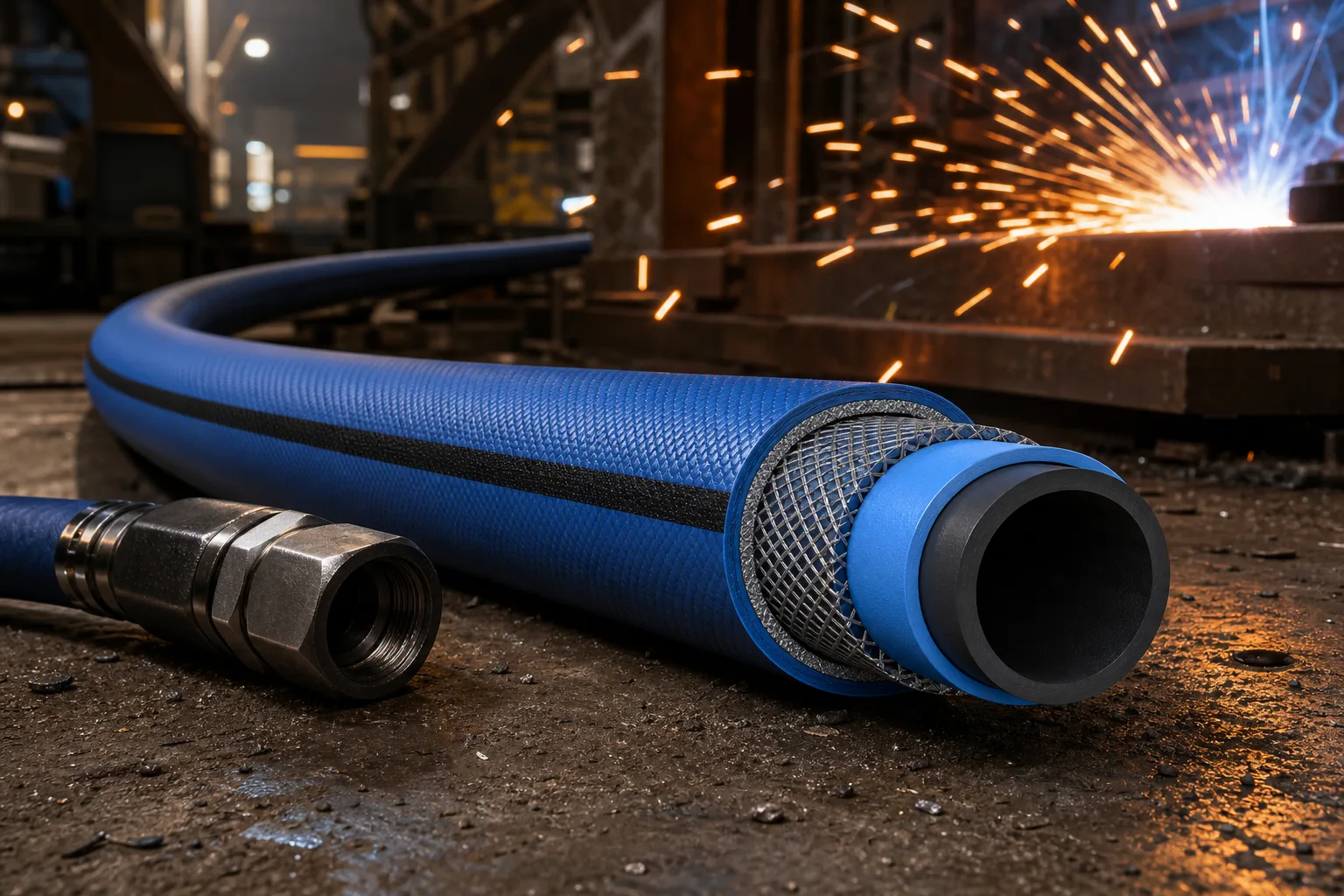
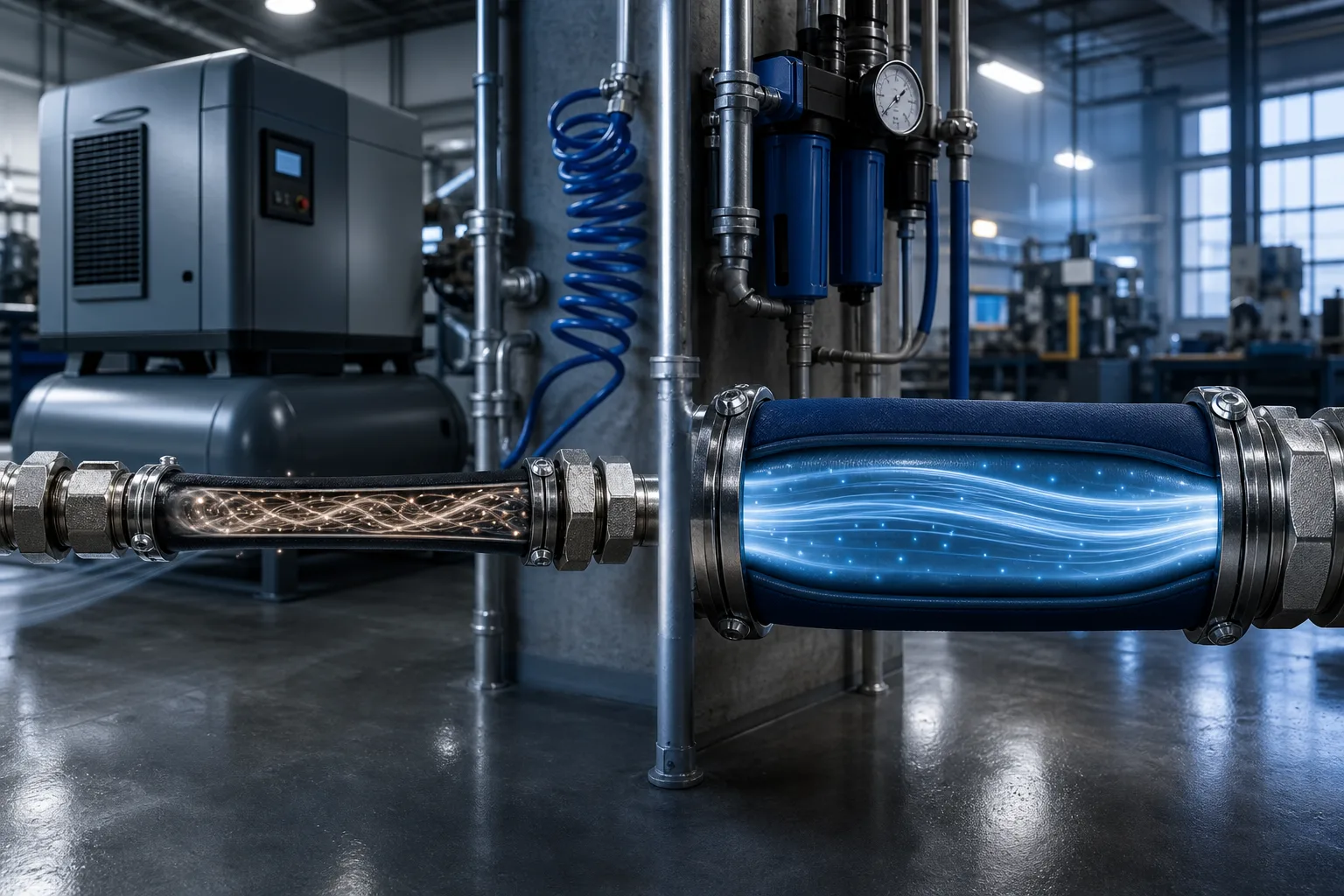
Learn how anti-spark pneumatic air hose protects compressed air lines in welding, metalworking and harsh industrial environments, with selection and installation tips.
A practical guide to PA nylon tube for pneumatic systems, covering strength, stability, sizing, installation, application limits and OEM purchasing checks.
Learn why PU pneumatic tube is widely used in automation equipment, including flexibility, size selection, fitting compatibility, color coding, limitations and OEM purchasing checks.
A practical guide to choosing pneumatic air hose for industrial compressed air systems, covering PU, PA nylon and PE tubing, size, pressure, bending radius, environment and OEM purchasing checks.
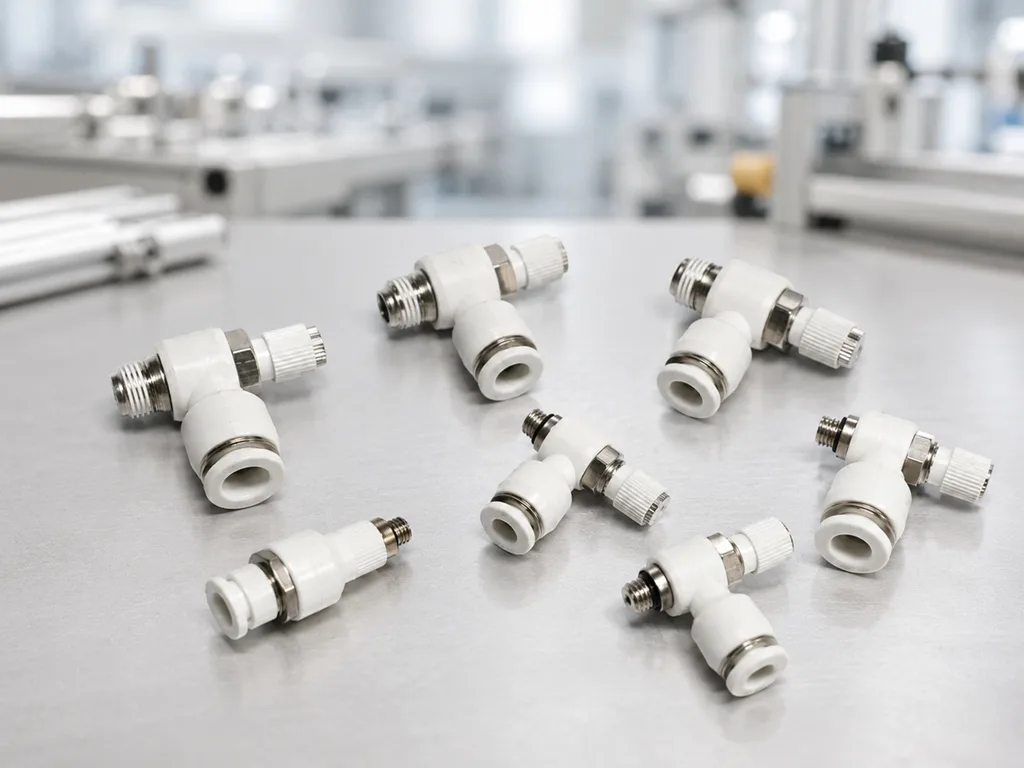
Main Types of Pneumatic Fittings Type Example Function Straight Fittings PU / PC Connect tubes in a straight line Elbow Fittings PL / PV Change direction (90°) Tee Fittings PE / PY Split airflow into two directions Cross Fittings PZA Split airflow into multiple directions Bulkhead Fittings PM / PLM / PMF Pass tubes through panels Valves PA / HVSS / HVFF Control airflow Straight Pneumatic Fittings Straight fittings are used to connect two tubes or a tube to a threaded port in a straight line. Common types: PU → tube to tube PC → tube to thread Best for: Simple connections Pipeline extension Low complexity systems Elbow Pneumatic Fittings Elbow fittings allow tubing to change direction (usually 90°). Common types: PL → threaded elbow PV → tube-to-tube elbow Best for: Space-saving installations Direction change in piping Tee Pneumatic Fittings Tee fittings are used to split airflow into two branches. Common types: PE → T-type (90° branch) PY → Y-type (angled branch, smoother flow) Best for: Airflow branching Distribution systems Cross Pneumatic Fittings Cross fittings allow four-way air distribution in…
Key Differences Between Tee and Cross Fittings Feature Tee Fitting (PE / PY) Cross Fitting (PZA) Structure 3-way (T or Y shape) 4-way cross Flow Direction 1 → 2 branches 1 → 3 branches Complexity Simple More complex Space Requirement Compact Requires more space Application Basic branching Multi-direction systems What is a Pneumatic Tee Fitting? A pneumatic tee fitting is a 3-way connector used to split one air line into two directions or combine two into one. There are two common types: T-type (PE) → 90° branch Y-type (PY) → angled branch for smoother airflow Tee fittings are the most commonly used connectors in pneumatic systems. What is a Pneumatic Cross Fitting? A pneumatic cross fitting is a 4-way connector that allows air to flow in multiple directions simultaneously. It is typically used in more complex pneumatic systems where multiple air lines need to be connected at a single point. Compared to tee fittings, cross fittings reduce the number of connectors required in multi-branch systems. Applications Industrial automation systems Air compressor distribution systems Robotics and assembly lines Packaging machinery Multi-line…
What is 2 Way 3 Port and 5 Port Solenoid Valve? A 2 way 3 port solenoid valve (2/3 valve) has two positions and three ports, typically used to control single-acting cylinders or simple ON/OFF air flow. A 5 port solenoid valve (5/2 or 5/3 valve) has five ports and is designed to control double-acting cylinders by switching airflow direction between two outputs. What is 2 Way 3 Port and 5 Port Solenoid Valve? A 2 way 3 port solenoid valve (2/3 valve) has two positions and three ports, typically used to control single-acting cylinders or simple ON/OFF air flow. A 5 port solenoid valve (5/2 or 5/3 valve) has five ports and is designed to control double-acting cylinders by switching airflow direction between two outputs. 2 Way 3 Port vs 5 Port Solenoid Valve Feature 2 Way 3 Port Valve 5 Port Valve Port Number 3 ports 5 ports Positions 2 positions 2 or 3 positions Function ON/OFF or exhaust control Directional control Cylinder Type Single-acting cylinder Double-acting cylinder Airflow Control Basic Advanced switching System Complexity Simple systems Complex…
For inquiries about our products or pricelist, please leave your email to us and we will be in touch within 24 hours.

Copyright © 2026, Wenzhou Hongmi Pneumatic Co., Ltd. All Rights Reserved.
Go to top