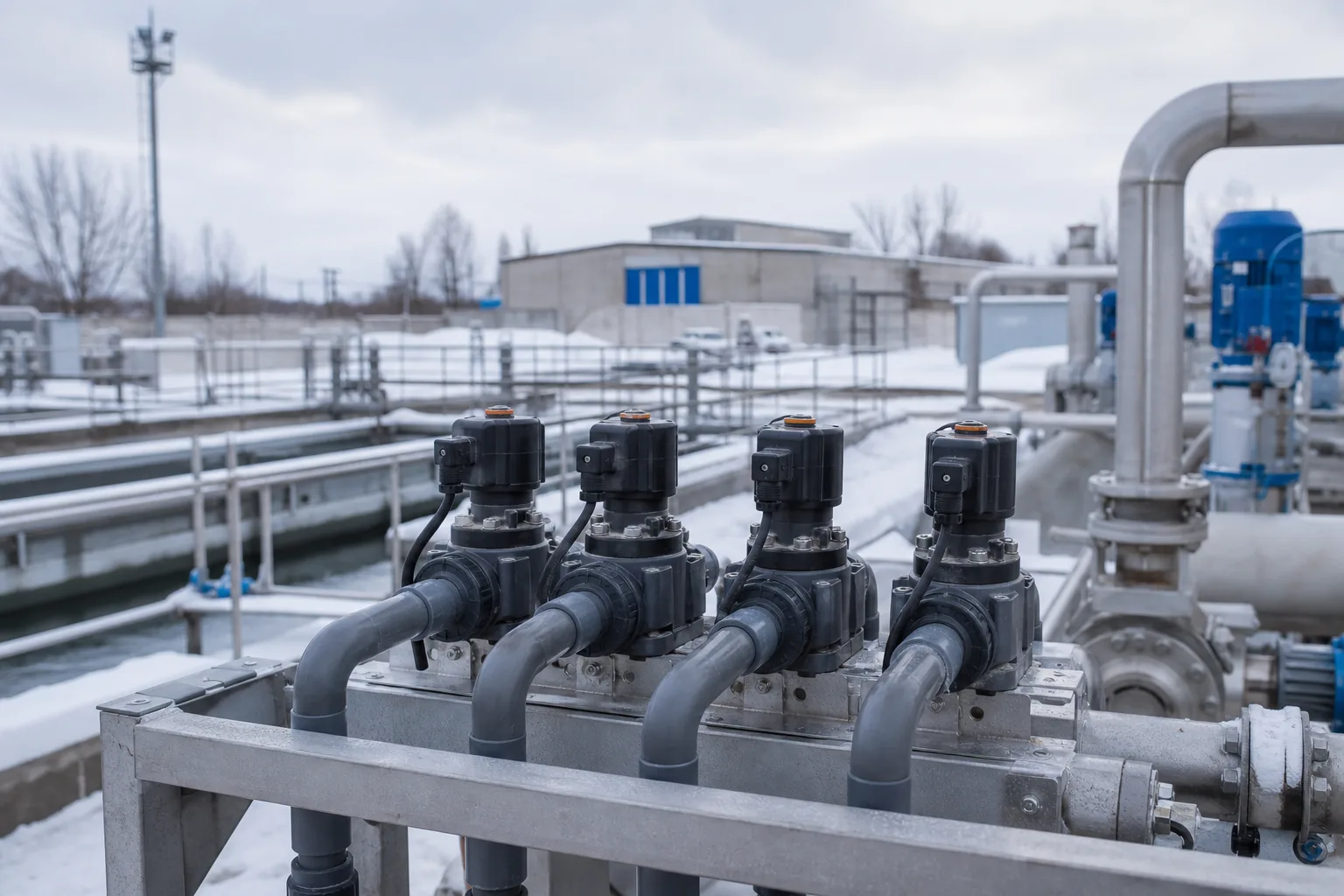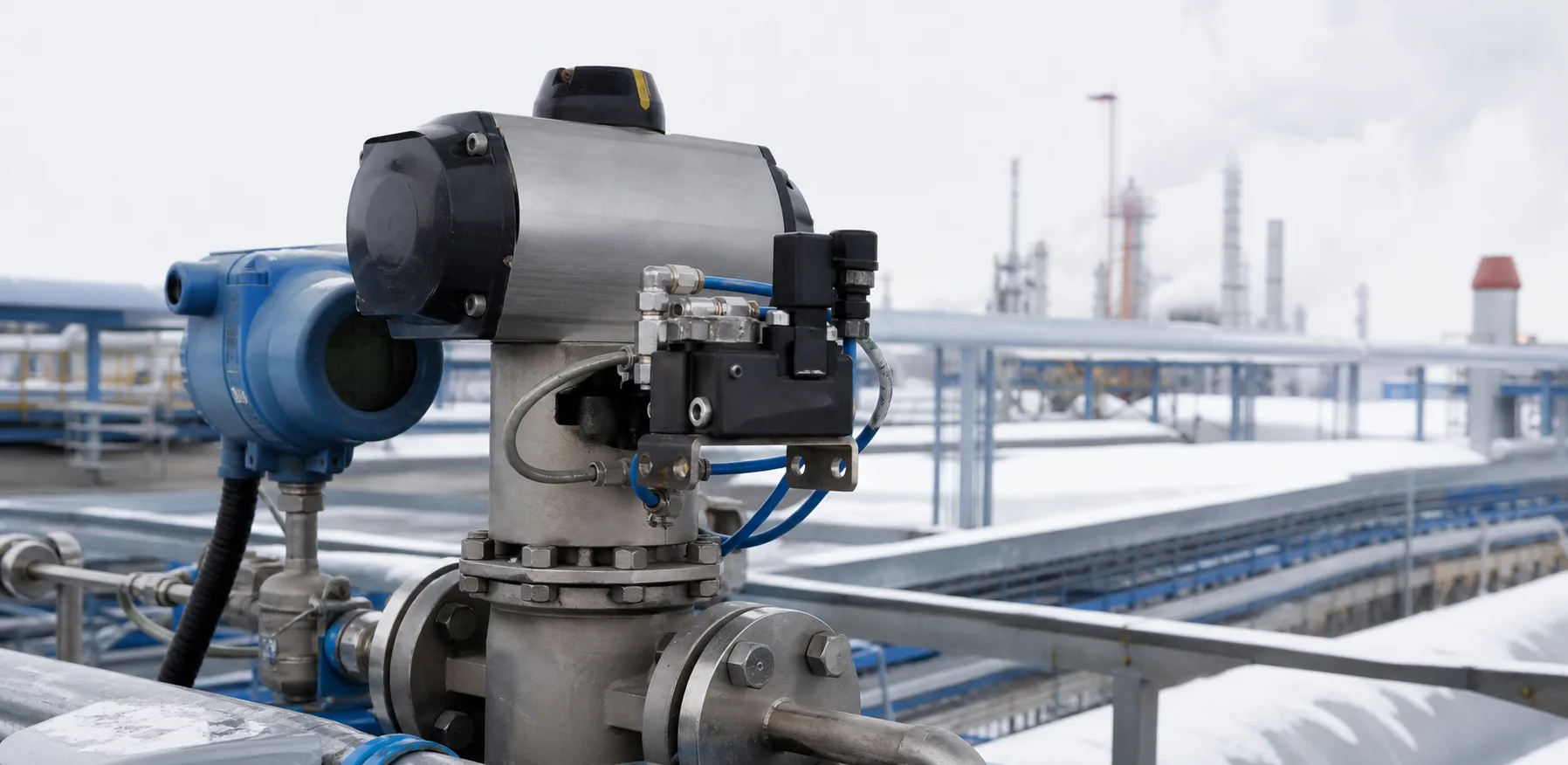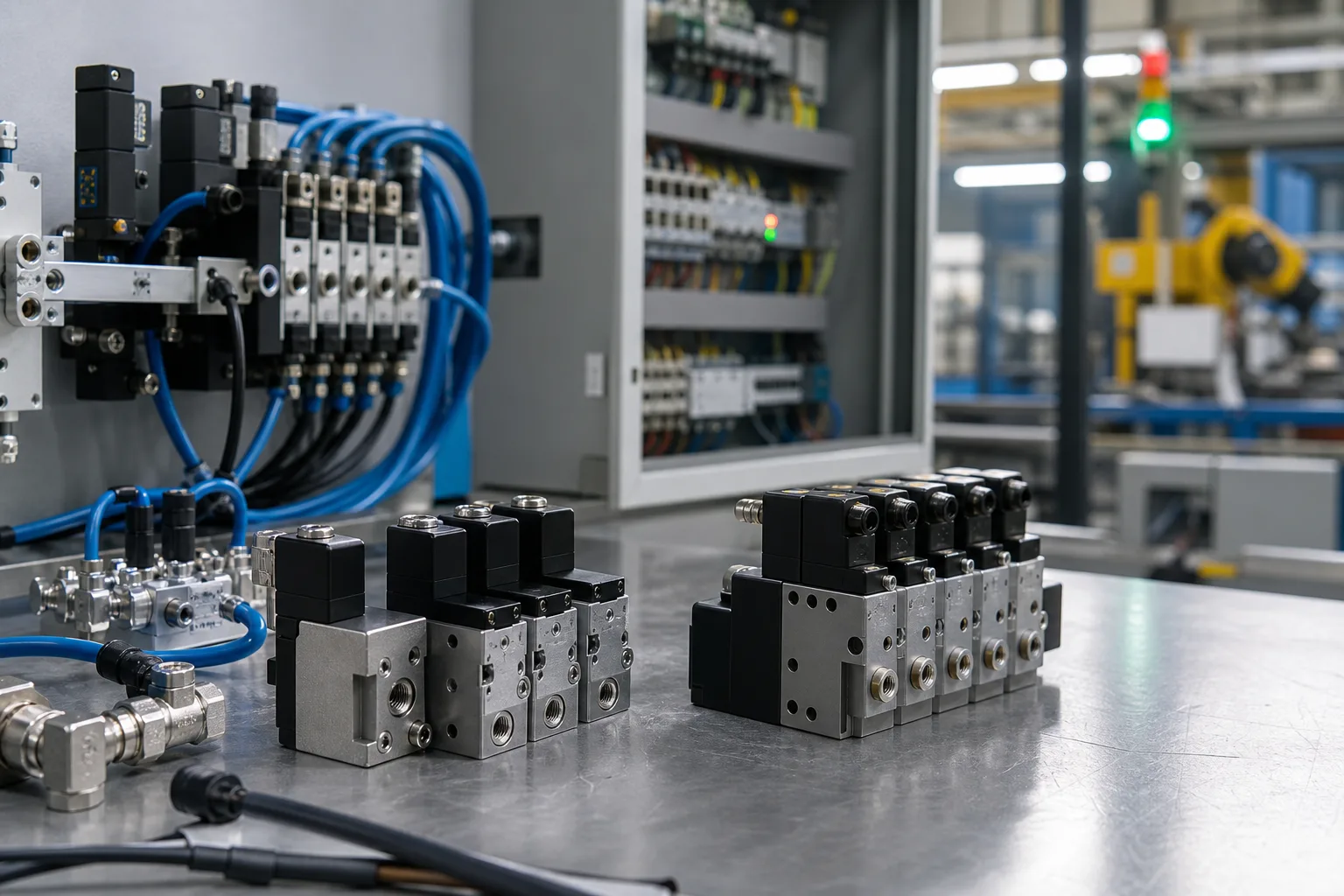
Russia’s industrial buyers are showing continued interest in brass and stainless steel solenoid valves in 2026 as factories, utilities and process facilities focus on keeping basic fluid systems dependable. While pneumatic directional valves are important for machine automation, 2/2 fluid control valves are just as critical in water, compressed air, hot water and steam applications.
The demand is not driven by one single sector. It comes from a broad set of maintenance and retrofit needs: air dryers, water treatment equipment, boiler auxiliary systems, washing equipment, dosing units and general industrial utilities. In these applications, buyers often need a normally closed or normally open valve that can shut off media safely and repeatedly.
Material selection is becoming a bigger discussion
Russian buyers in 2026 are asking more questions about valve body material. Brass remains a common choice for clean water, compressed air and general-purpose fluid control because it balances cost, strength and availability. Stainless steel is preferred where corrosion resistance, hygiene or longer service life is more important. Plastic body valves are selected when weight, cost or specific water-treatment conditions matter.
| Body material | Typical media | Common buying reason |
|---|---|---|
| Brass | Water, air, hot water | Cost-effective general industrial use |
| Stainless steel | Water, mild chemicals, cleaner process lines | Better corrosion resistance and durability |
| Plastic | Water treatment and small-flow systems | Lightweight, economical and suitable for compact equipment |
Homipneu’s solenoid valve range reflects these choices. The 2W series brass solenoid valves support common fluid-control tasks, including air dryer and water-line switching. The 2S series stainless steel valves are relevant for users who need stronger corrosion resistance. The 2L series covers hot water and steam control where temperature must be considered carefully.
Homipneu’s Solenoid Valve category gives Russian buyers a practical way to compare body materials in one place. For example, the 2W160-15 normally closed brass solenoid valve fits many general water and air lines, while the 2S series stainless steel water solenoid valve and 2L series steam solenoid valve address more specific fluid-control conditions.
Procurement teams are balancing price and service life
As input costs and supplier charges remain a concern for many manufacturers, buyers are comparing the total cost of a valve more carefully. A lower purchase price is attractive, but it must be balanced against coil life, seal compatibility, pressure rating and the cost of downtime if a valve fails early.
For example, a 2W160-15 brass valve may be suitable for a standard water or air line, while a 2S stainless steel valve may be the better option in a more demanding environment. In steam or high-temperature hot water systems, buyers must also confirm temperature range and seal material instead of relying only on port size.
2026 outlook for Russian fluid-control projects
Russia’s broader manufacturing market remains cautious, but basic utility systems cannot be ignored. Water lines, air preparation systems and thermal equipment must continue operating even when new production investment slows. This should keep demand stable for practical 2/2 solenoid valves.
For suppliers, the strongest approach is to provide clear application guidance rather than a one-size-fits-all answer. Russian buyers need to know which valve is suitable for air, water, hot water or steam, and which body material best fits the site conditions. That makes product clarity a competitive advantage in 2026.