
How to Select a PU220 Brass Solenoid Valve for Fluid Control

How to Select a PU220 Brass Solenoid Valve for Fluid Control

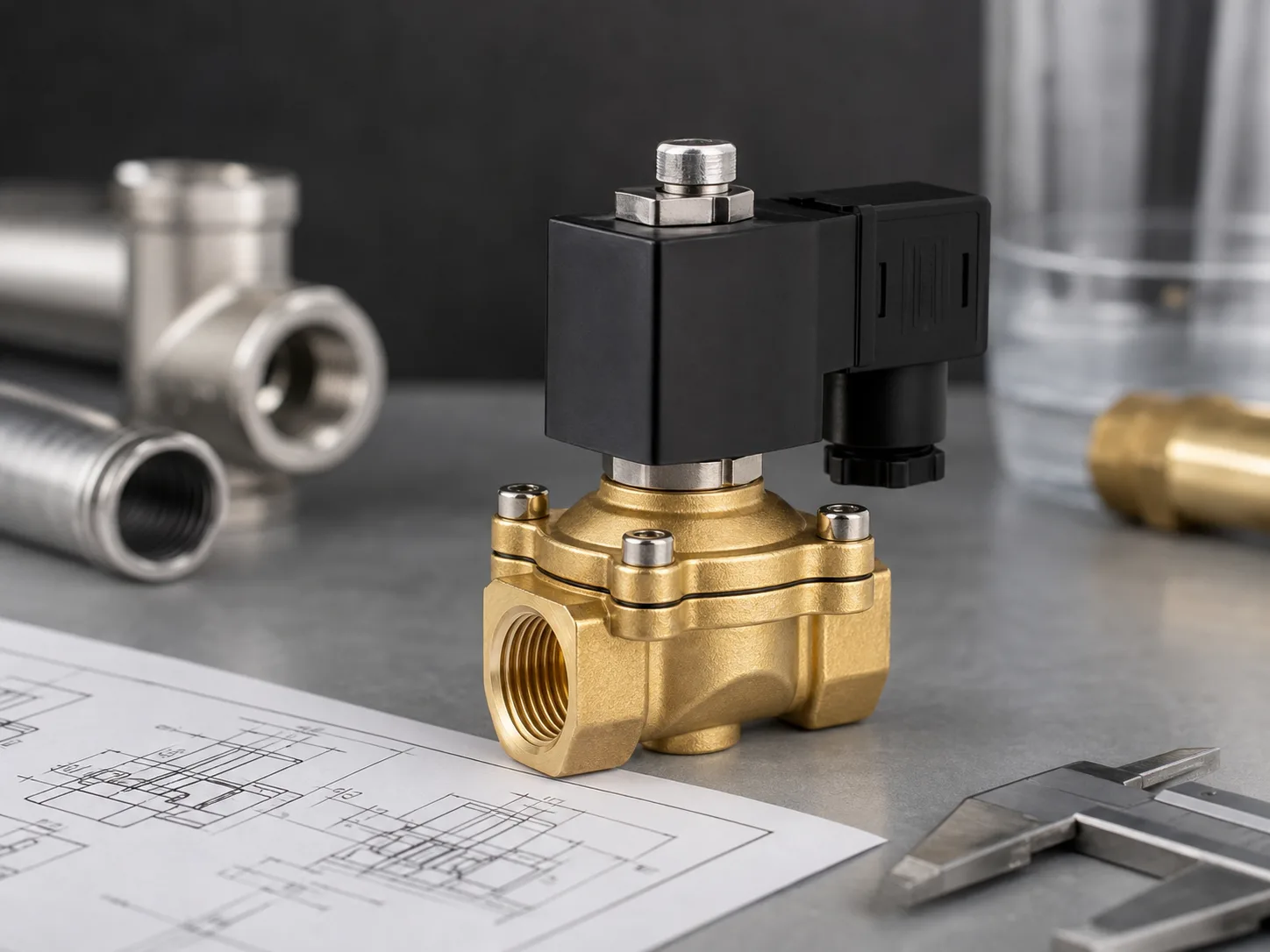
Selecting a PU220 brass solenoid valve begins with the fluid and operating conditions, not the pipe thread alone. Two PU220 models can share a similar appearance while offering very different orifice sizes and Cv values. A valve that fits the pipe may still restrict flow, use the wrong seal, receive the wrong coil voltage, or operate outside its pressure range. A clear selection process prevents those errors before equipment is built or a replacement valve is ordered. The PU220 Series 2/2 Way Brass Solenoid Valve is a normally closed valve for electrical on/off control of air, water, compatible light oil, and other compatible neutral fluids. The range covers G1/8 through G1 ports, Cv values from 0.10 to 11.00, working pressure from 0.5 to 7 kgf/cm2, and an operating fluid temperature range of -5 to 80 degrees C. Available seal and voltage choices allow the valve to be configured for different machines, but every option must be confirmed against the real application. 1. Confirm the Required Valve Function PU220 is a 2-port, 2-position normally closed fluid control valve. With the coil…
Views: 76     2026-07-24
How to Select a Pneumatic Angle Seat Valve

How to Select a Pneumatic Angle Seat Valve

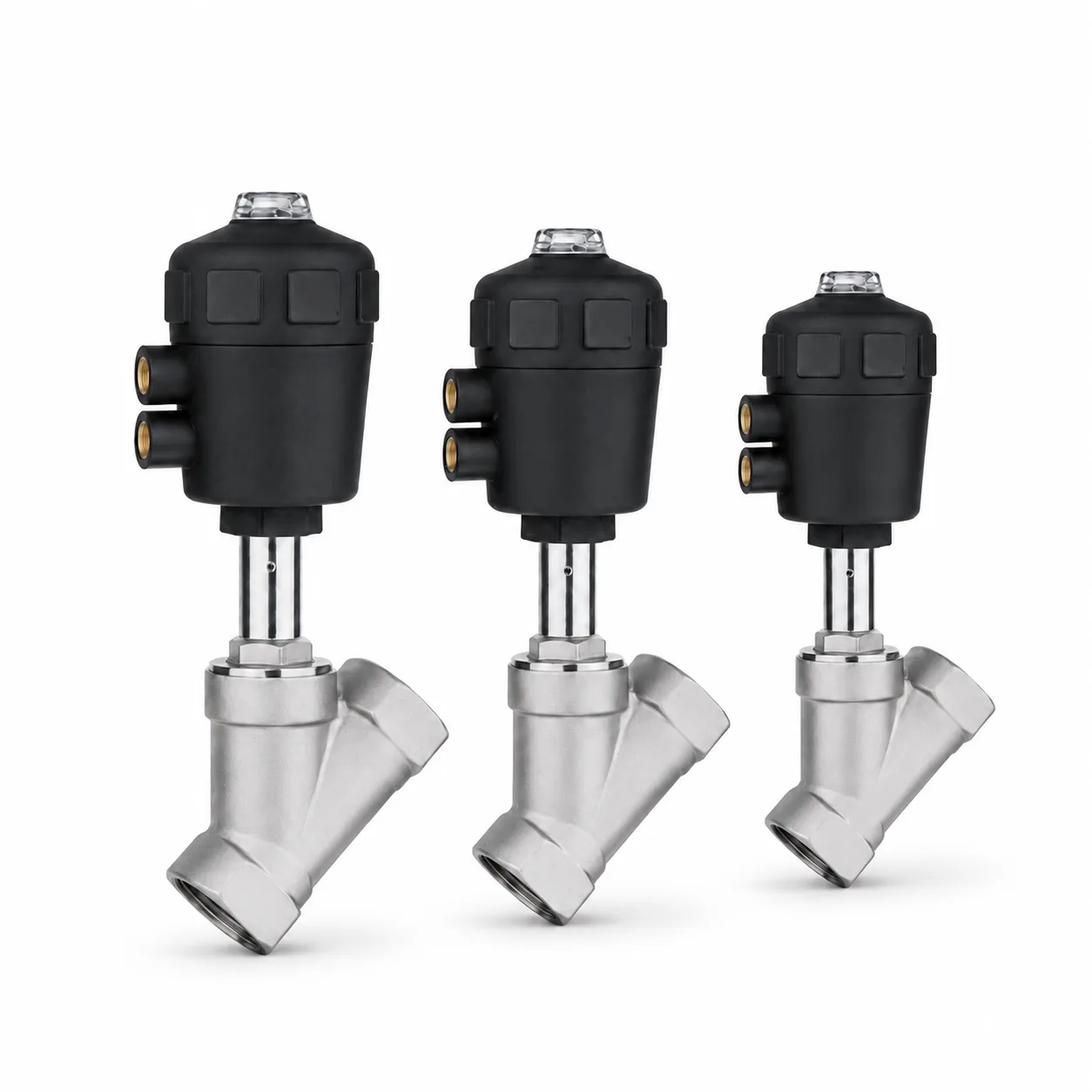
A pneumatic angle seat valve is a pneumatically operated 2/2-way process valve used to control air, water, steam, neutral gases and compatible industrial fluids. Its angled internal flow path provides good flow capacity in a compact body, making this valve suitable for frequent switching in filling machines, cleaning equipment, heating systems, steam pipelines and automated process machinery. Selecting the correct valve requires more than matching the pipeline diameter. The actuator function, control-air pressure, process pressure, temperature, medium, seal material, connection type and required flow direction must all be considered. This guide explains how to select a pneumatic angle seat valve and how to choose between normally closed, normally open, double-acting, threaded, flanged, weld-end and quick-clamp configurations. 1. Confirm the Working Medium Begin by identifying the fluid that will pass through the valve. Common applications include: Compressed air Water Hot water Steam Neutral gases Cleaning fluids Compatible process liquids The medium affects the required valve-body material and seat seal. Temperature and chemical compatibility must be checked before ordering, especially for steam, hot water, cleaning agents or process fluids. Do not select…

Views: 98     2026-07-15