Industry Update
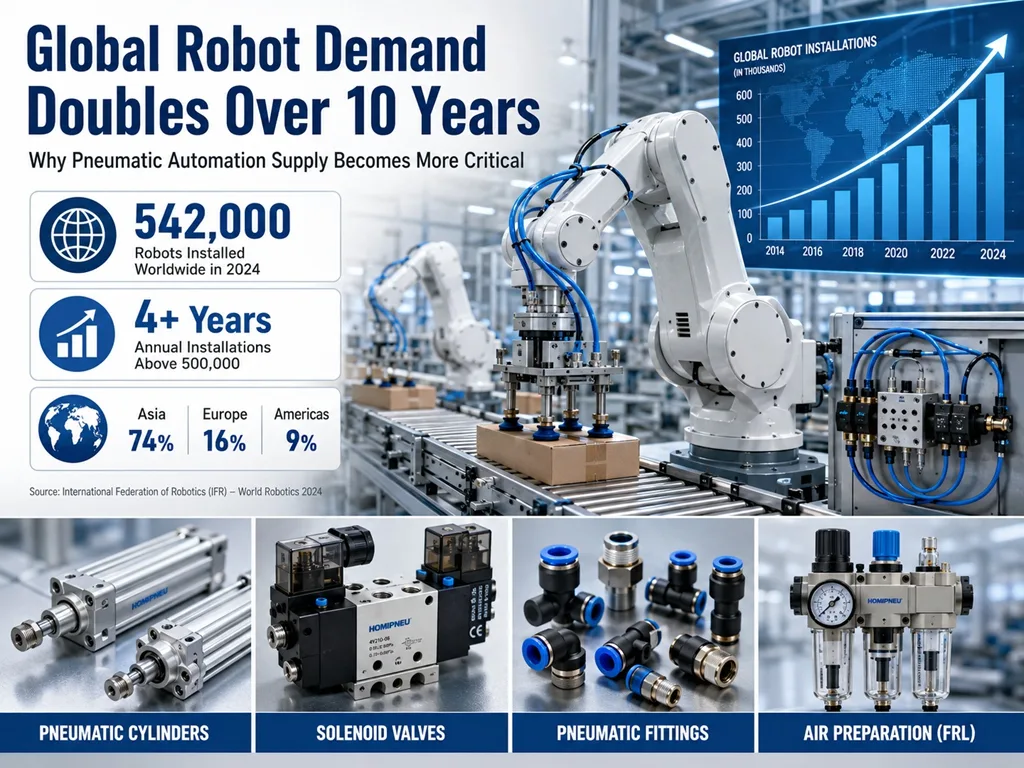
The global automation market continues to move toward higher robot density and more automated production lines. The International Federation of Robotics reported in its World Robotics 2025 release on September 25, 2025, that 542,000 industrial robots were installed worldwide in 2024. The report said annual installations stayed above 500,000 units for the fourth consecutive year and that global robot demand in factories has more than doubled over ten years.
Asia accounted for 74 percent of new robot deployments in 2024, while Europe represented 16 percent and the Americas 9 percent. These numbers show that industrial automation is no longer limited to a few high-volume automotive factories. It is spreading across electronics, packaging, food processing, logistics, medical products, appliance production, and many other manufacturing sectors.
For the pneumatic industry, this is not a distant robotics story. Every new automated line creates demand for motion, air control, gripping, clamping, positioning, part feeding, tube routing, pressure regulation, and noise control. Many of these tasks still rely on pneumatic technology.
Source reference: IFR World Robotics 2025 press release.
Robots Increase Demand for Complete Motion Systems
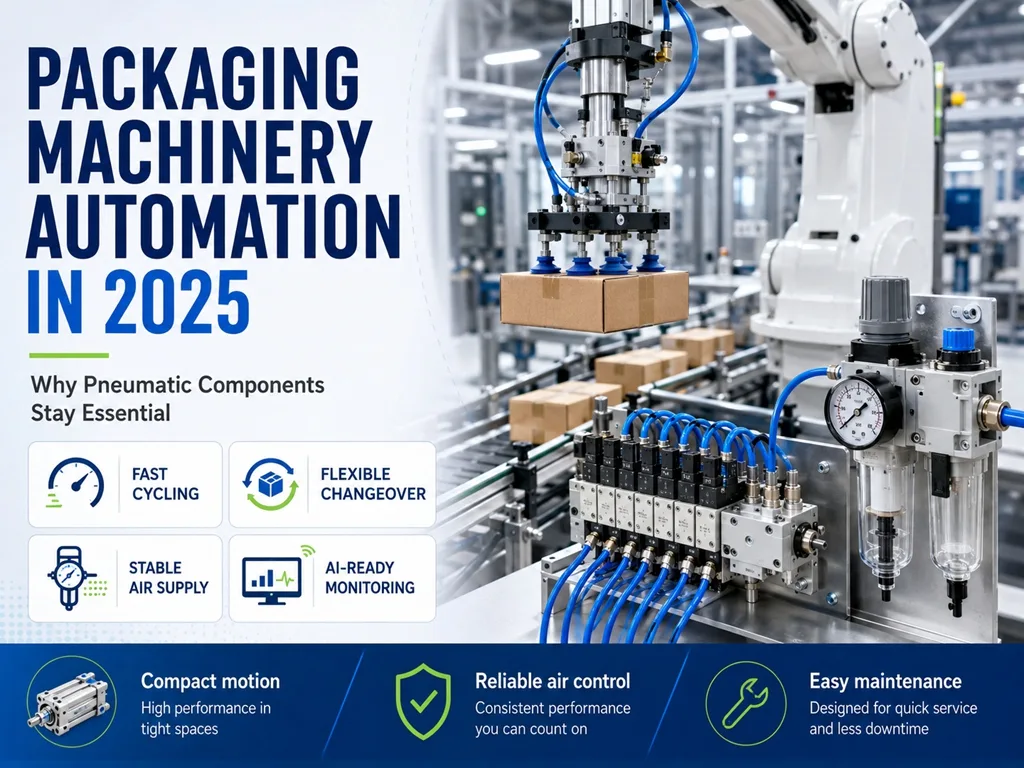
A robot arm may be the most visible part of a modern automation cell, but it is only one part of the system. Around the robot, there are conveyors, fixtures, part feeders, checking stations, clamping devices, ejectors, slides, gates, and packaging modules. These systems often need pneumatic cylinders and valves because pneumatic motion is fast, simple, and easy to integrate.
For example, a robot may pick a product from a conveyor while a compact cylinder positions the tray, a stopper cylinder controls product flow, a pneumatic gripper holds the item, and a solenoid valve manifold controls each actuator. Air fittings and tubes must be arranged so movement is smooth and maintenance remains accessible.
This is why robot growth supports demand for pneumatic components even when robot joints are driven by electric motors. Pneumatics are often used in the surrounding equipment that makes the robot cell useful.
Standardization Becomes More Important
As automation spreads across more industries and countries, component standardization becomes more valuable. OEM machine builders need parts that can be sourced repeatedly, installed quickly, and serviced by maintenance teams in different factories. Distributors need product lines that cover common sizes and functions without creating excessive inventory complexity.
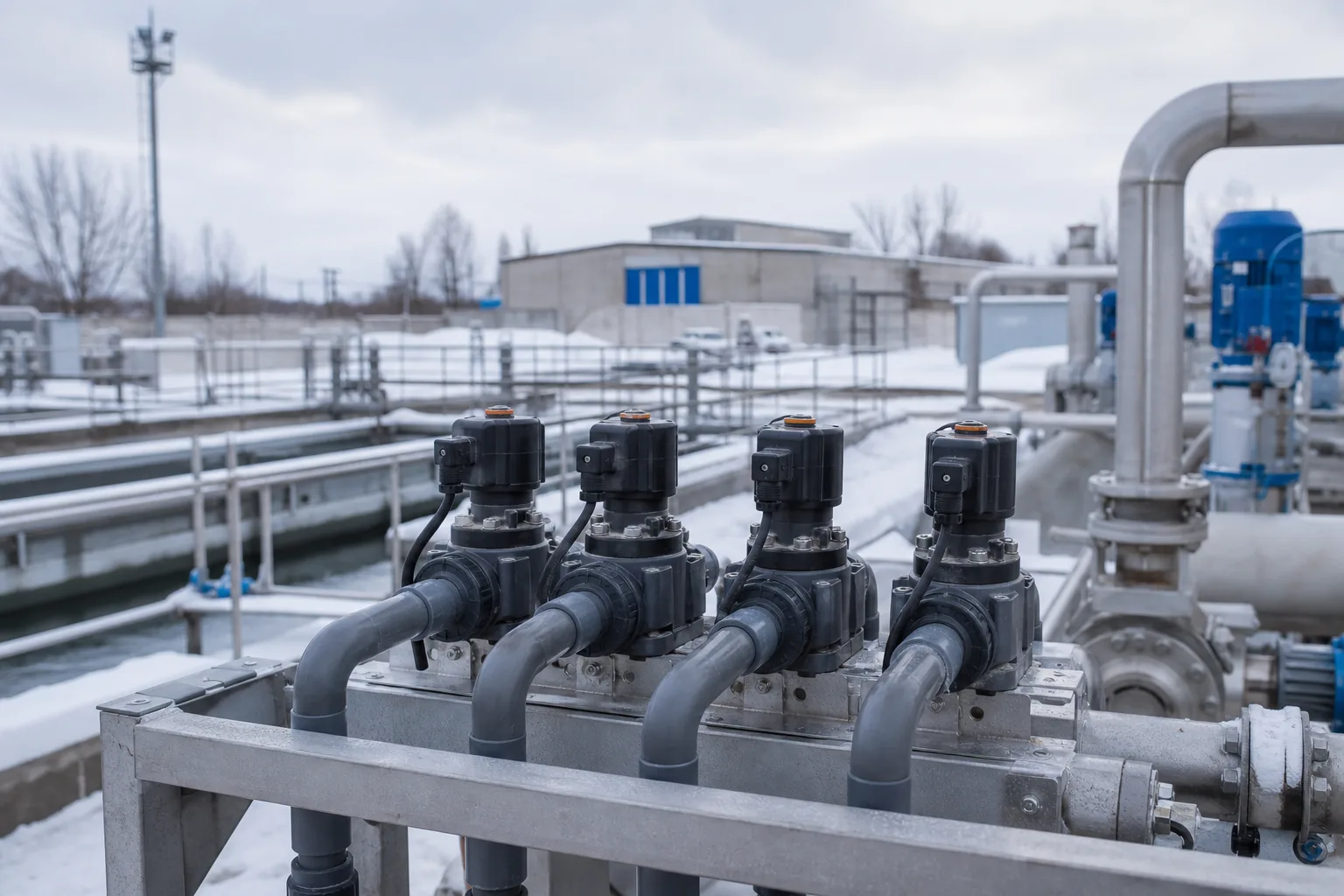
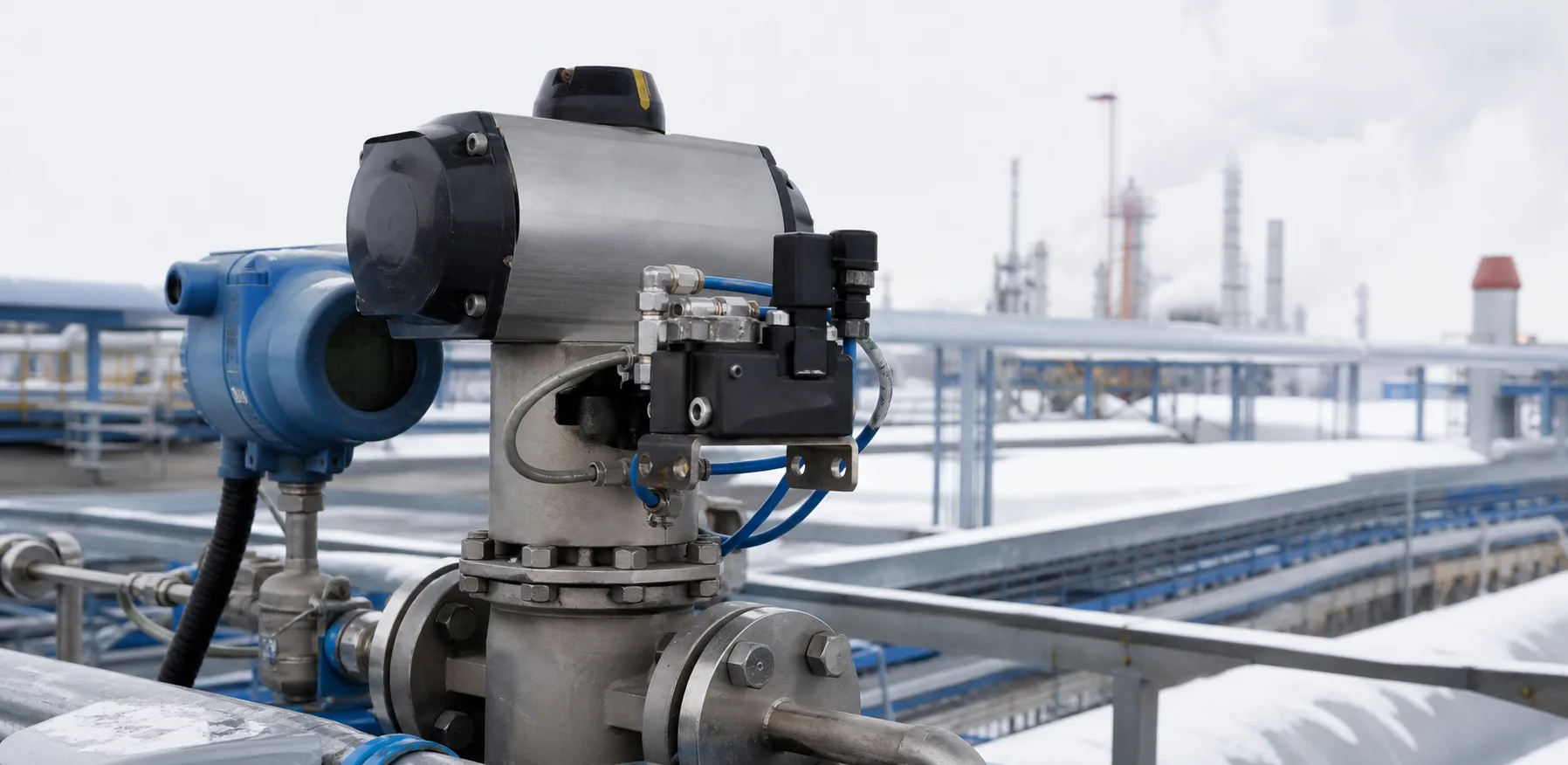
For pneumatic components, this means buyers often prefer familiar series, common thread types, standard tube sizes, and proven actuator structures. Standard cylinders, compact cylinders, guided cylinders, rodless cylinders, rotary actuators, parallel grippers, 3/2 and 5/2 way solenoid valves, push-in fittings, PU tubes, silencers, and air preparation units all fit this demand.
HOMIPNEU’s product categories are aligned with this practical need. The pneumatic cylinder category supports linear, guided, rotary, gripping, and clamping motion. The solenoid valve category supports air direction and switching. The pneumatic fittings category supports quick tube connection and flexible machine layout.
Asia’s Automation Growth Affects Global Buyers
The IFR data shows that Asia continues to lead industrial robot deployment. For global buyers, this has several effects. First, many machine builders and component suppliers are competing in markets where automation investment is active. Second, export machinery is often expected to meet international expectations for reliability and serviceability. Third, purchasing teams are more careful about supplier stability, product range, and delivery consistency.
Pneumatic components are small compared with robot arms, but they are critical to machine uptime. A leaking fitting, weak cylinder seal, unstable regulator, or slow valve can stop a production cell just as effectively as a robot fault. Because of this, buyers are paying more attention to component quality and compatibility.
For OEM customers, the best pneumatic supplier is not only the one with a single popular item. It is the one that can support the whole air circuit, including actuators, control valves, fittings, tubing, filters, regulators, lubricators, silencers, and related accessories.
Flexible Production Needs Modular Pneumatics
More factories are moving away from one-product lines toward flexible production. Robot cells may need to handle different package sizes, part shapes, or production batches. Pneumatic components must support this flexibility.
Compact cylinders help reduce machine size. Guided cylinders support stable motion when side loads are present. Rodless cylinders support long stroke movement without long piston rods. Rotary actuators turn parts or fixtures. Pneumatic grippers handle different shapes with simple jaws. Solenoid valves allow timing changes through PLC control. Push-in fittings make tube adjustments easier during commissioning and maintenance.
This modular approach is useful for packaging machinery, assembly stations, feeding systems, inspection equipment, and transfer machines. It also helps distributors serve a wider range of customers without building everything from custom parts.
Energy Efficiency Still Matters
As robot numbers increase, factories also become more sensitive to energy consumption. Compressed air is useful, but it must be managed carefully. Oversized valves, long tube runs, leaks, excessive pressure, and poor air preparation can increase energy cost and reduce performance.
Modern pneumatic design should support both productivity and efficiency. This means selecting the right bore size, stroke, valve flow, fitting size, tube diameter, pressure setting, and exhaust control. It also means checking air leaks and using suitable air source treatment equipment.
In robot cells and automated production lines, small improvements across many pneumatic points can make a meaningful difference. A stable air circuit helps reduce rejected parts, unplanned stops, and unnecessary compressor load.
What This Means for Pneumatic Component Suppliers
The global robot trend is also a supply chain trend. Automation buyers need component suppliers who understand industrial applications, not only catalog numbers. They need guidance on matching valves to cylinders, selecting fittings for compact spaces, and choosing air preparation units for stable operation.
For HOMIPNEU, this creates opportunities to support machine builders, distributors, and industrial automation integrators with a broad pneumatic product range. The growth of robots does not replace pneumatic components. In many cases, it increases the need for reliable pneumatic motion and air control around the robot.
Related Pneumatic Products
HOMIPNEU supplies pneumatic cylinders, grippers, solenoid valves, pneumatic fittings, air hose, air source treatment units, and mufflers for factory automation, robot peripheral equipment, packaging lines, assembly systems, and industrial machinery.