Industry Update
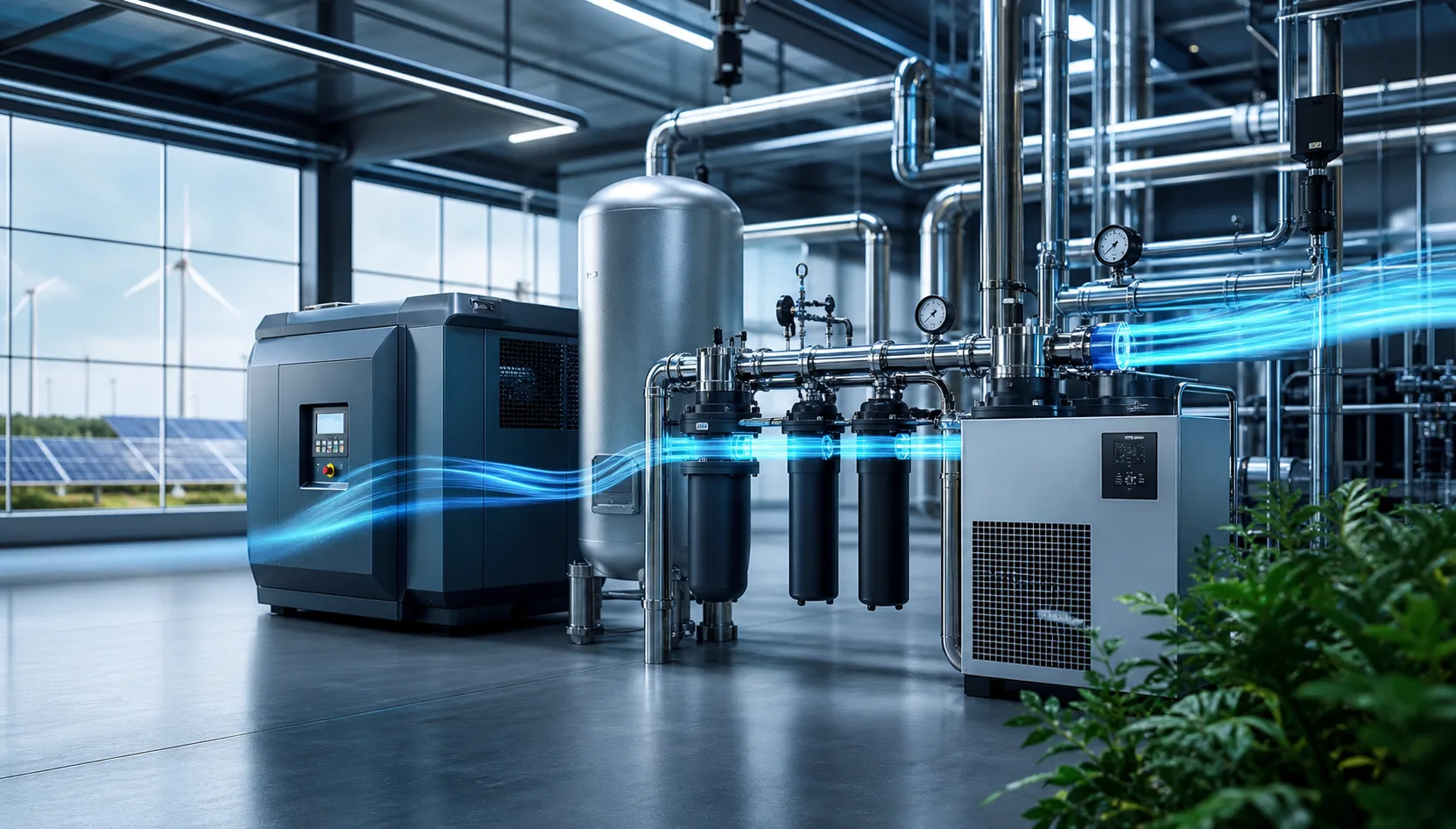
Compressed air efficiency is still a priority for factories in 2026. The U.S. Department of Energy continues to list compressed air systems as an important area for performance improvement, and its resources point users toward tools, tip sheets, training, and technical publications for improving compressed air performance.
That is directly relevant to air source treatment products. Filters, regulators, lubricators, oil-water separators, and FRL combinations do not produce compressed air, but they decide how stable, clean, and usable that air becomes at the machine.
Source reference: U.S. Department of Energy compressed air systems.
Why Air Treatment Is Part of Efficiency
Many factories focus on compressors when they talk about energy savings. That is understandable, but compressed air quality and pressure control at the machine level are just as important. If pressure is unstable, operators often raise the supply pressure to compensate. If filters are clogged, pressure drop increases. If water is not removed properly, valves and cylinders may need more maintenance.
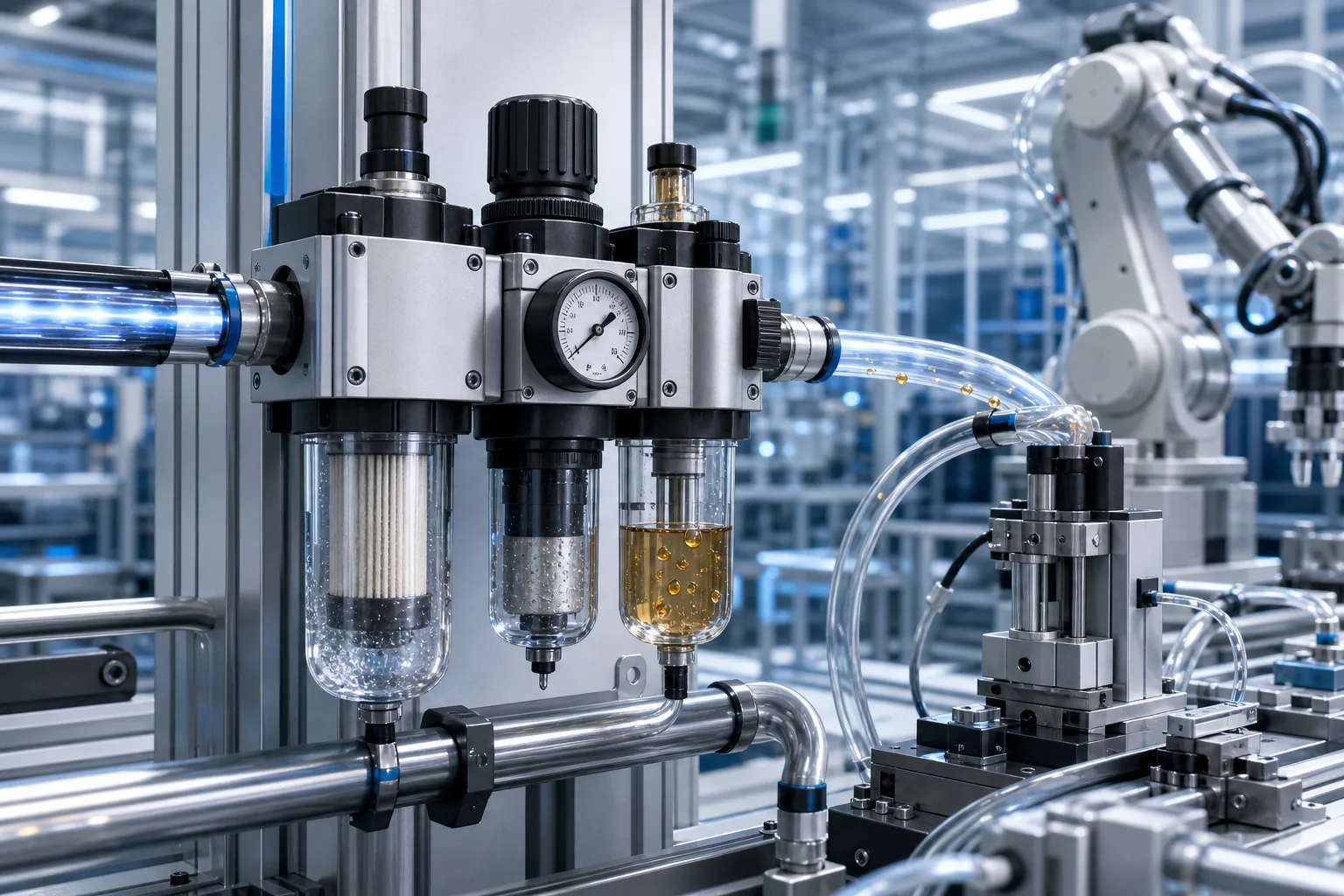
An air source treatment unit helps control these problems by preparing air before it reaches valves, cylinders, and tools. A filter removes particles and moisture. A regulator stabilizes pressure. A lubricator may provide oil mist where the system requires it.
Pressure Stability Affects the Whole Line
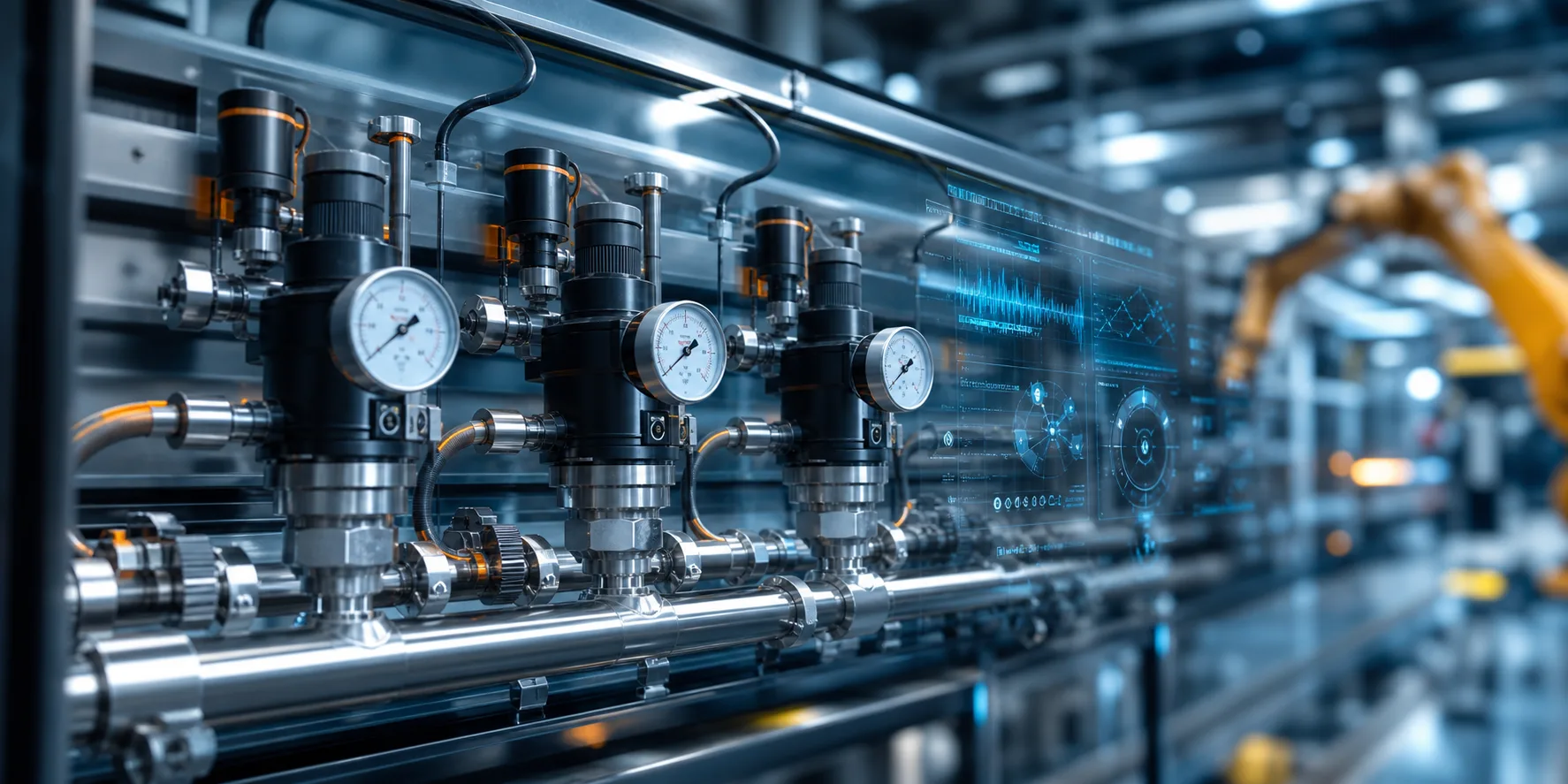
Pressure stability is one of the most visible benefits of good air treatment. A pneumatic cylinder depends on pressure to produce force. A solenoid valve depends on stable air supply for repeatable response. A pneumatic tool needs enough pressure to perform consistently.
If the regulator is poorly selected or set too high, the system can waste air. If it is too small or unstable, the machine may lose performance. In 2026, more buyers are asking suppliers how their pneumatic systems support efficiency, not only whether the machine can run.
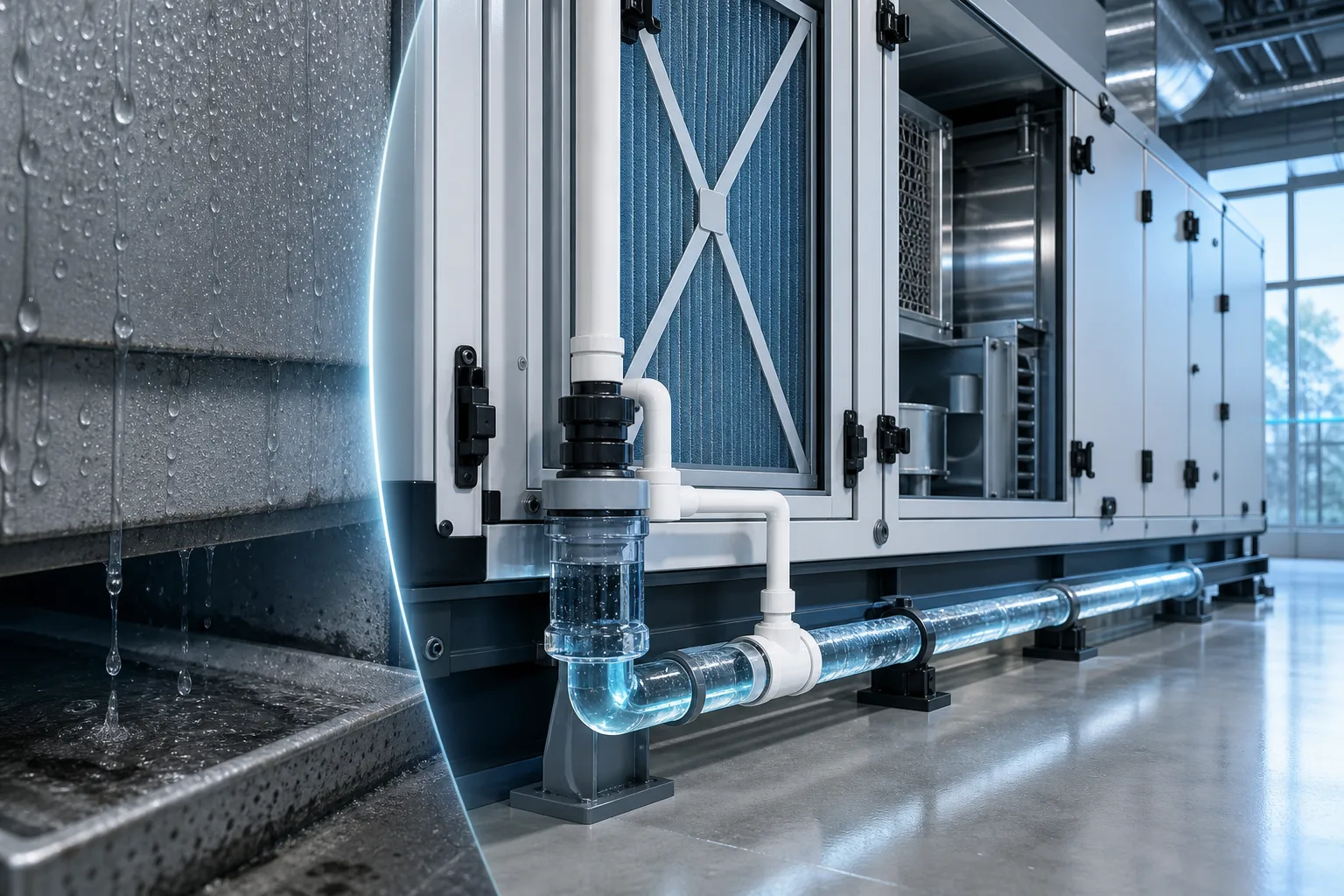
HOMIPNEU’s air source treatment category includes filter regulators, pressure regulators, FRL units, lubricators, and oil-water separators for factory compressed air lines.
Maintenance Is Also an Energy Issue
Compressed air energy savings are not only achieved during installation. Maintenance matters over time. A dirty filter element, stuck drain, leaking bowl, or incorrectly adjusted regulator can reduce system performance. These issues may look small, but they can spread across many machines in a plant.
Maintenance teams should inspect filters, drains, pressure gauges, bowls, and fittings regularly. A simple replacement or adjustment can sometimes improve machine behavior without changing the compressor system.
What Buyers Should Watch
In 2026, buyers should pay attention to both product selection and operating habits. The right air source treatment unit should match the flow demand, port size, pressure range, environment, and air quality requirement. It should also be easy for workers to inspect and maintain.
For OEM machine builders, air treatment should be designed as part of the machine, not added as an afterthought. A stable air source helps reduce troubleshooting and makes the finished equipment easier to support.
Related Pneumatic Products
HOMIPNEU supplies air filter regulators, FRL units, pressure regulators, lubricators, oil-water separators, pneumatic fittings, air hose, solenoid valves, and pneumatic cylinders for efficient compressed air systems.